Full article about Mist-Laid Tiles of Albergaria-a-Velha & Valmaior
Dawn mist lifts over flat rye fields, revealing pilgrim-roofed town and quiet Valmaior paddocks
Hide article Read full article
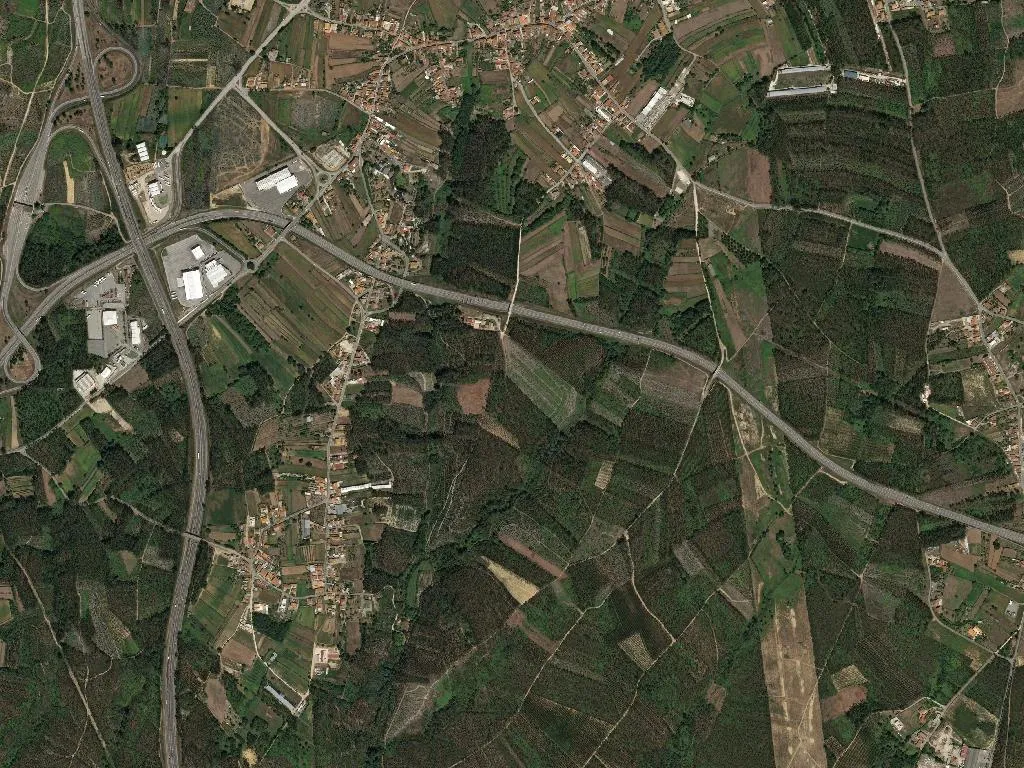
The first thing you register is the flatness – not the dead-level of reclaimed marsh, but a slow breathing of land that never quite reaches 120 m above the sea. It is just high enough for Atlantic air to slide inland, salt-laden and cool, yet low enough for maize and rye to scent the breeze. At dawn the district of Aveiro withholds its colours; a skein of mist clings to the hedgerows, erasing roofs and telegraph poles until the sun lifts the veil in a single motion and reveals the compact tile roofs of Albergaria-a-Velha on one side of the road, the open paddocks of Valmaior on the other. Between them, the N1 keeps moving – the same trajectory that carried medieval pilgrims north to Santiago and now ferries container lorries south to Lisbon.
A name carved in granite and hospitality
Albergaria-a-Velha wears its function on its sleeve. The Latin albergaria meant a sanctioned shelter, not a casual spare room but a purpose-built refuge licensed by the crown. In 1121 Queen Teresa, mother of Portugal’s first king, donated riverbank meadows here to two hospices that fed and watered anyone trudging the Central Portuguese Way. Wayfarers arrived with leather scrip and split-soled sandals; their need for bread, credit and confession forced a market square, a forge, a church, a village. Eight centuries later the same stretch of road still organises daily life: cafés open at first-lorry light, petrol stations do brisk coffee trade, and the parish council meets in a low Modernist block whose foyer displays a 1:50 scale model of the town in 1892, railway line freshly inked.
Two parishes folded into one
The 2013 administrative merger joined Albergaria-a-Velha (the linear town) with Valmaior (the surrounding farmland) to create a single civil parish of 46.9 km² and 11,058 residents. Density averages 236 people per km², but numbers bunch along the N1 where balconied apartment blocks cast afternoon shade onto granite-paved sidewalks. Cycle 500 m east and human noise gives way to dairy pumps and the low whistle of irrigation cannons drawing from the Rio Águeda. Valmaior’s heart is not a square but a scatter of 19th-century manor houses – solar houses – built by emigrants who returned from Brazil with coffee fortunes and a taste for ornate cornices.
Walking where feet have printed the earth for nine centuries
The Camino here offers none of Galicia’s chestnut forests or the coastal drama of the Senda Litoral. Instead it supplies something rarer: intimacy with an ordinary working landscape. You share the dirt lane with a farmer on a Honda quad bringing fodder to pregnant cows, exchange bom caminho with a woman clipping box hedge, hear only your own breathing when the tarmac finally stops. No way-marked loops, no interpretative panels – just the sound of your boots on schist and, every kilometre or so, a granite marker the size of a shoebox incised with a scallop shell. The parish lists thirteen registered places to sleep – from a 1960s boarding house whose landlady still starches the linen to a converted hayloft with underfloor heating – proof that the obligation to shelter strangers has outlived both crown and church.
Convent sweetness that leaked into the countryside
Aveiro’s famous ovos moles – yolks and sugar sealed inside brittle wafer shaped like shells or barrels – were born in the city’s 16th-century convents, but the confectionery travelled the 27 km inland along the same royal road. In Albergaria-a-Velha the best source is Pastelaria Central on Rua Dr. José Falcão, where Maria do Céu produces 400 a day using copper pans older than her mother. Eat one while the café’s radio plays Antena 1 and the sugar bloom collapses into something almost marine on your tongue.
Demography in quiet conversation
Census 2021 counted 1,582 children under fourteen and 2,186 residents over sixty-five – a ratio that speaks of gradual, not catastrophic, ageing. Primary-school enrolment has held steady for a decade; the library runs a Saturday manga club; the skatepark behind the Intermarché echoes with olá tia as grandmothers wait with mango ice lollies. Proximity to Aveiro (25 min by car on the A25, 35 min by the infrequent but punctual Comboios de Portugal regional) allows parents to commute to university jobs while raising children within sight of cornfields. The railway, opened in 1908, still bisects the town – a daily reminder that movement, not settlement, originally wrote this place into the map.
Stone that outlasted the paperwork
Only two buildings enjoy national-monument status: the parish church, Manueline doorway grafted onto 18th-century baroque bulk, and the 16th-century pillory, a granite column threaded with the rope-moulding that symbolised royal justice. Neither is sign-posted from the N1; you ask at the newsagent, cross the car park of the BPI bank, push open an iron gate. Inside, the church’s interior is dim, smelling of beeswax and basalt; outside, storks clatter on the bell-turret, rebuilding the same nest their great-grandparents refurbished in 1953. The pillory stands three streets away in a small triangle of cobbles now used for resident parking; touch the grooves where iron staples once held the condemned and you are touching the moment this village earned the right to hold a market.
The sound that lingers after the engine brake
Dusk brings the mist back, rolling over the paddocks like a pulled sheet. When the last south-bound juggernaut fades, silence arrives horizontally here – not the cathedral hush of mountain villages but a low, ground-hugging quiet broken only by water dripping from a tile eave onto granite pavers. Listen longer and you detect a subtler layer: the soft percussion of cows shifting in barns, the click of a bicycle freewheel, the rhythmic creak of a metal sign swaying outside the closed pharmacy. It is the acoustic signature of a place that learned, long before hostels and hashtags, how to receive the traveller, offer a bed, and release him at sunrise with the certain knowledge that the road would still be there, patiently waiting to become a path again.