Full article about Baga mist & sueca cards: Amoreira-Paredes-Ancas
Bairrada fog, three hamlets, one parish: clay kilns, vine sap, leitão smoke
Hide article Read full article
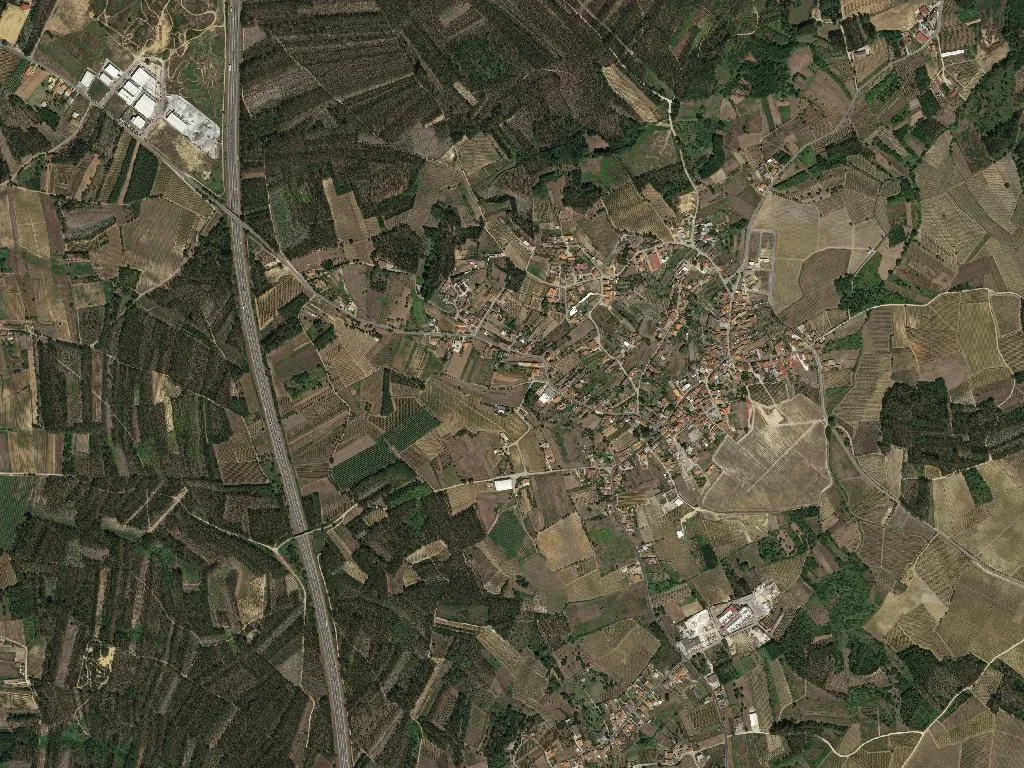
The uneven cobbles drum beneath Cidália’s bare feet as she pads to the bakery for yesterday’s broa. At seven sharp the Bairrada mist folds itself around the washing lines, carrying a sour whiff of cellars and the green bite of newly felled eucalyptus. Three hamlets—Amoreira da Gândara, Paredes do Bairro, Ancas—were bundled into one civil parish in 2013, yet each keeps its own sueca card-club, its own preferred leitão takeaway, its own grudges.
Three names, three back-stories
Ancas came first. Local lore claims Egas Moniz dropped the olive branch here that sent him crawling to Afonso Henriques for forgiveness; pensioners still insist the wind funnels fragments of that apology past the Romanesque porch of Igreja de Santiago. Paredes do Bairro woke up only when the Cerâmica pottery opened in 1922, and the centre still carries its legacy: indigo azulejos underfoot, the factory’s surnames on every other door. Amoreira da Gândara divorced neighbouring Sangalhos over a boundary spat no one can now articulate; to this day no self-respecting Amoreirense will buy a birthday cake across the line.
Rooted in Bairrada
The air tastes of copper when the vines are sprayed. Pruning starts in January, women’s fingers purple with cold and vine sap. By mid-September the must is so heady even schoolchildren seem light-headed. In the local adegas—low, schist-walled cellars—condensation drips down walls like a slow clock. Carne Marinhoa DOP is not an anonymous steak; it is the heifer you watched Manuela bottle-feed, graze the river meadow, and now serve beside hand-cut chips, the whole thing irrigated with her father’s baga from the same barn where you once crashed your bicycle.
The quiet head-count
Officially 2,429 souls, but the streets subtract themselves nightly. By nine o’clock Paredes’ main drag belongs to dogs and the transformer’s hum. Anyone under thirty who could bolt to Porto or London did, though a few return with venture-capital beards and plans to turn granny’s house into a four-room guesthouse. There are seven places to stay, none with cable television; instead you get Dona Rosa arriving with still-warm eggs and the confession that her late husband interrogated for the PIDE yet roasted a kid goat that could make you weep.
Staying power
Sun drops behind Ancas cemetery and the walnut shadows stretch like accusing fingers toward the freshest graves. At that moment Zé Manel fires up the orange-crusher at Café O Pátio, and the charcoal perfume of suckling pig drifts from Lopes’ backyard. Someone tugs the church bell—less from piety than to announce Friday supper. Night settles, wool-thick, familiar, the same moth-eaten blanket you lost last year and find again every winter.