Full article about Sangalhos: Where Baga Grapes Perfume Every Breath
Walk iron-red lanes between winery doors, tasting veal and must in Atlantic-cooled Sangalhos.
Hide article Read full article
When the wind turns, the village smells of must
Stand on Rua Dr. António Lopes and wait for the breeze to swing inland. Within three heartbeats the air is thick with grape must, a scent that drifts out of open winery hatches like steam from a kettle the size of a parish. In Sangalhos the calendar is not the one printed in the Correio da Manhã; it is the slow rhythm of the vineyard. When the lower leaves of the Baga vines yellow, locals start counting the days until the bulício – the harvest – still carried out by a joint task-force of humming tractors and grandmothers who refuse to trust electric secateurs.
A parish the size of a tobacco tin
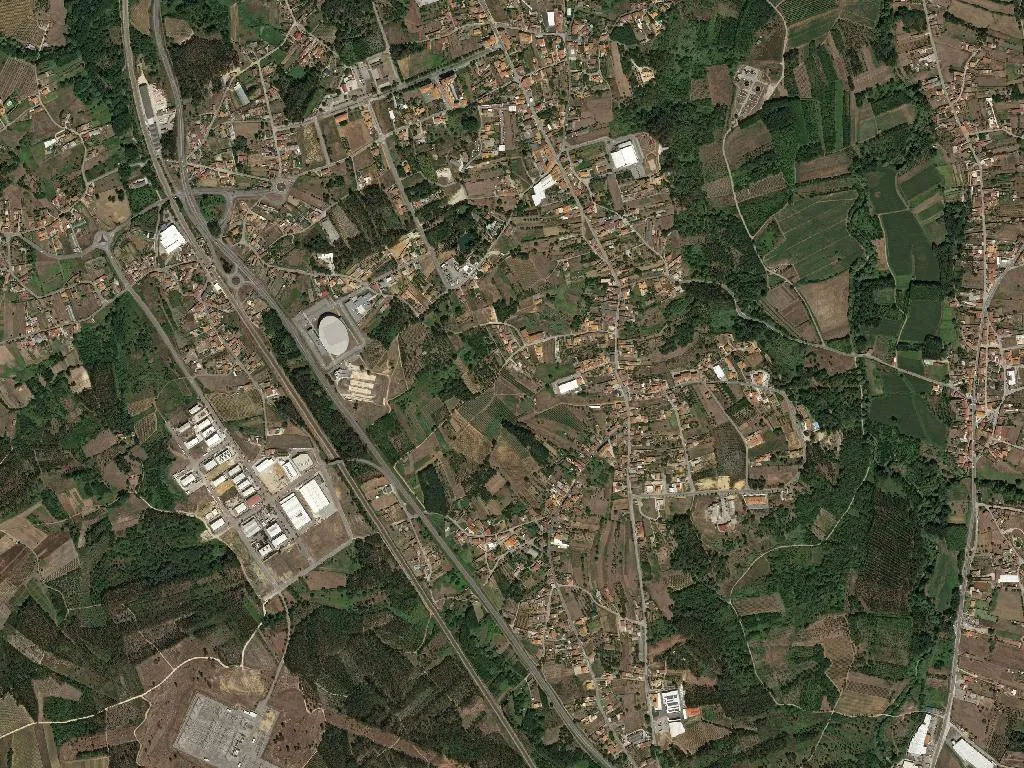
Seventeen square kilometres, 65 m above sea level, small enough to walk across before lunch. The soil is iron-red, staining trainers the colour of rust and clinging to the conscience of anyone who tries to leave. Vine, eucalyptus, maize, vine again. Houses keep their heads down against the Atlantic weather; many have the winery door right on the pavement, so don’t be surprised if a man in a cotton smock draws a cork for a passing German cyclist and pours three centilitres into a blue plastic cup. This is how “wine-farmer business” is done.
Population 3,835 – and falling
At least on paper. Ask in the Café Central during a Sueca card session and you’ll be told the real total is lower. The young left for scaffolding jobs in Lisbon or headset jobs in Porto; those who return arrive with beards, tattoos and an Instagram business plan for a natural-wine bar. Even so, the compadres still remember treading the fermented skins barefoot. “You needed alcohol in your blood or the frozen granite numbed your feet,” one will grin, shuffling the cards.
What to eat when the oven is on
If the wood-fired clay oven is lit, someone is celebrating. Order leitão – suckling pig – by all means, but locals ask first for vitela de Marinhoa, veal that grazed five kilometres away, sings while it eats and spends four hours in the oven on a bed of holm-oak. Salt, garlic, bay, patience: that is the entire recipe. Potatoes roast in the same tray, emerging slick with fat that even the bread wants to thank. The wine is a Baga red that looks almost ugly in the glass, yet after two sips starts reciting your life story.
Six places to sleep – that’s enough
Nobody comes to Sangalhos for karaoke night. You come to wake to a dog barking at a tractor, and to the caretaker calling through the doorway that coffee is ready “if you fancy it”. Walk the access lane to Quinta do Encontro at dusk: the light is so cinematically golden the crows might be on contracts. Take a jacket; when the sun drops behind the Caramulo range the air carries a vine-pruning chill that raises goose-bumps.
Postcard not required
Sangalhos is neither city nor open-air museum; it is a place still refusing to pose for a postcard. If you need crowds, stay in Aveiro and choose a moliceiro boat with its own Spotify playlist. Here the vessel is an oak cask, the soundtrack is the creak of a winery hatch, and the guide is me – but only until six, because dinner is on the table and the mother-in-law fines tardiness.