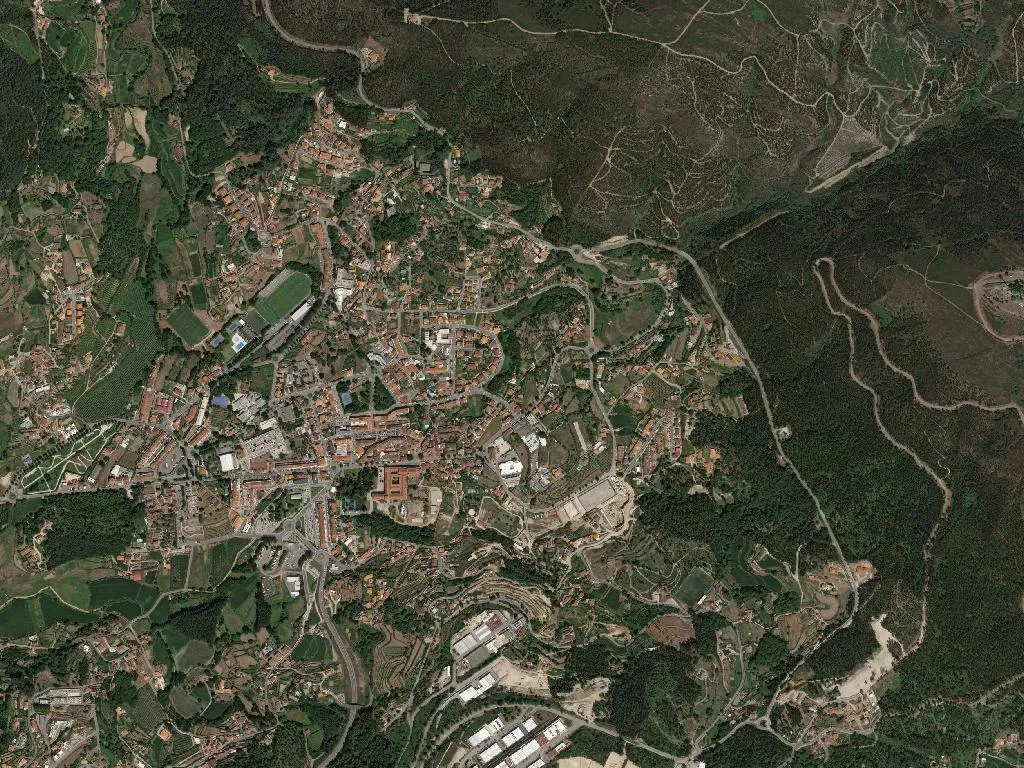
Full article about Arouca & Burgo: Dawn bell, granite gorge, steak still breath
Arouca & Burgo, Aveiro: 10th-c. nunnery gold flash at sunrise, valley-echoing bells, mahogany cattle steak served almost mooing
Hide article Read full article
The bell, the stone, the valley
Seven-thirty, and the monastery bell sends a single clang down a gorge of grey granite until the Serra da Freita swallows it. Dew still clings to the ashlar; in the half-light the stone looks like overcooked cabbage water. Through the side gate drifts the smell of scorched sugar and egg yolk – Dona Rosa is already whisking the morning’s batch of pastéis de nata. In Praça da República only the Café do Moinho is awake. Mr António, newspaper folded to the football pages, sips his meio-e-meio – half coffee, half hot milk – exactly as he has done since the place still had a working mill-wheel.
Stone upon stone, century upon century
The Mosteiro de Arouca does not dominate the town; it simply makes everything else feel like an afterthought. Begun in the tenth century for Benedictine nuns, it was rebuilt in limestone and bad humour after the 1755 earthquake. Inside, the gilded baroque retable ignites at 09:00 sharp when a blade of sun slips through the south transept and strikes the gold leaf; even the tripod brigade fall silent.
Across the square, the parish church is a younger sibling trying too hard. Burgo’s chapel, meanwhile, stands on a knoll above the Rio Onda, offering the same valley view without the €2 parking ticket. Since the 2013 administrative merger the two villages share a council, yet Burgo locals still say they are “going down to the town” when they descend the N215.
Where the mountain meets the plate
Order an Arouquesa steak medium-rare and the waiter will look as if you have asked for ketchup on sushi. These small, mahogany-coloured cattle graze the quartzite ridges; their meat tastes of thyme and wet stone and needs nothing more than coarse salt. Chanfana de cabrito – kid braised in red wine and black pepper – arrives under a clay lid; the sauce is mopped up with country bread because the chef will not waste a drop. Rojões, cubes of neck and belly, are fried with garlic and smoked lard, then sided with turnip-green soup thick enough to hold a spoon upright.
The honey is midnight-dark, harvested from chestnut and heather, and the toucinho-do-céu – literally “bacon from heaven” – is a saffron-yellow custard tart whose recipe is still locked in the monastery archive. Dona Rosa will not disclose the ratio of lard to sugar, only that her tray is empty by 15:00.
Processions, birthing stones and schist trails
May brings the Festa da Mafalda, when the town becomes an open-air tavern: vats of vinho verde, bifanas sizzling on sheet-metal grills, brass bands echoing up to Burgo. In good years a bull is let loose in the Praça de Touros; in wet ones the party relocates to the covered fairground, boots caked in ochre mud, bottles of aguardiente passed shoulder to shoulder.
Three kilometres north, the Pedras Parideiras (“rocks that give birth”) are mother boulders that shed fist-sized nodules of feldspar – a geological curiosity found only here and in one spot in Siberia. The loop trail takes forty minutes, long enough to work up an appetite for lunch. Serious walkers continue on the GR-16 footpath into the Freita plateau, where winter snow keeps the crowds away better than any ranger.
The sweet weight of granite and beeswax
At dusk the sun slips behind the monastery and the stone turns the colour of 24-carat filigree. Bakery doors swing open, releasing steam laced with rye; Zé Manel pulls the first cork on a bottle of Bairrada; Dona Rosa boxes tomorrow’s pastries. The scent is precise: toasted flour, clove, woodsmoke, wet basalt. Visitors think they come for the views; they return because their stomachs refuse to forget.