Full article about União das freguesias de Canelas e Espiunca
Sun-worn granite, Roman mosaics and 465-million-year trilobites frame Arouca’s Paiva gorge villages.
Hide article Read full article
The Manueline granite of Canelas’ pelourinho is still sun-hot at six o’clock, when the church bell tolls across the square and the River Paiva whispers up from the quartzite gorge below. Even before you see the water you hear it – a low, constant hush that sounds like the valley breathing. It is the first clue that drama and geology share the same set here, and have done for almost a millennium.
Where Portuguese theatre began
In 1193 King Sancho I handed a farm at Canelas to two court minstrels, Bonamis and Acompaniado, as payment for a play. The royal charter is the earliest written reference to theatre in Portugal – predating Gil Vicente by three centuries. Canelas once had its own charter and jail; shards of that autonomy survive in the ruined medieval hospital, in the coat-of-arms carved above the Casa do Covelo, and in the palace where General Francisco da Silveira, the “Count of Amarante”, plotted the 1809 recapture of Chaves. A mile away, the hamlet of Espiunca keeps a quieter memory: its tiny St Anthony chapel was once the starting point for riverside pilgrimages every June.
Roman mosaics and giant trilobites
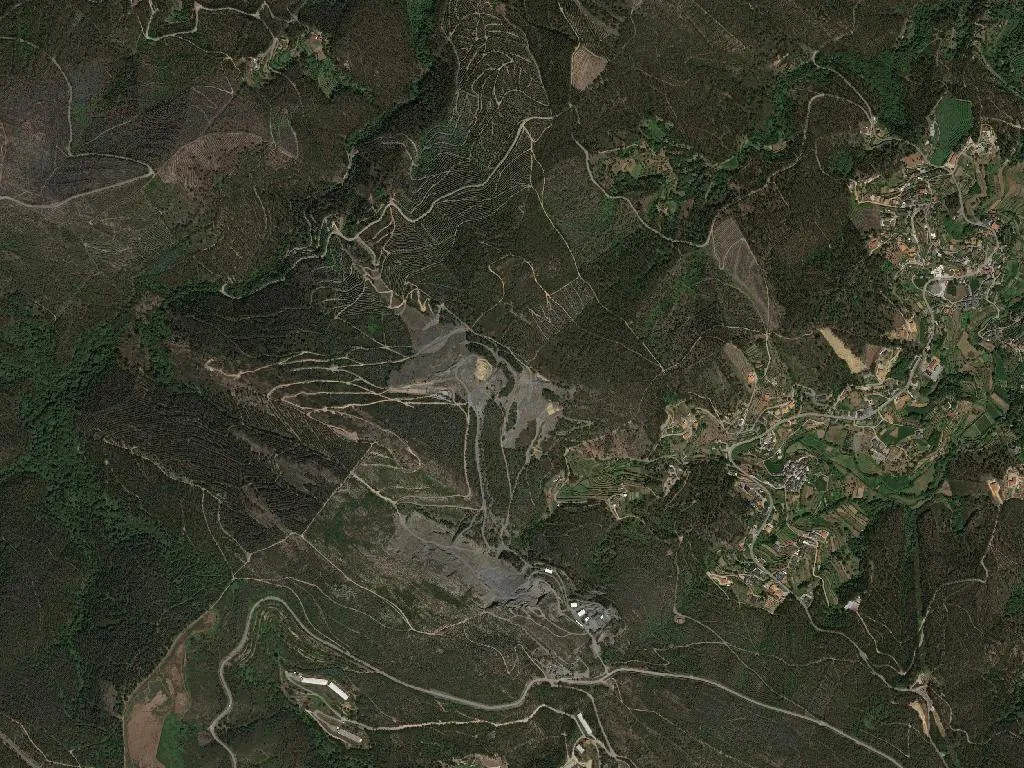
Outside the village the Fonte do Milho archaeological dig shelters a polychrome Roman mosaic – the only one known in Portugal outside Conímbriga. The tesserae still sparkle, though the lime mortar is powdering in the sun. Two kilometres north, Valerio quarry yielded the world’s largest trilobite fossils, 465 million years old; at Canelas interpretation centre you can cradle one in your palm like a stone scarab. The Paiva boardwalks – eight kilometres of pine decking between Espiunca and Vau – let you stride above folded gneiss and rippled dinosaur-era beaches, the river glinting like hammered pewter below.
Smokehouses, kid goat and convent sweets
Cooking follows the contours of the Arouca hills: Carne Arouquesa beef, Gralheira kid goat, Terras Altas heather honey. In wood-fired kitchens smoke coils from home-made chouriço and blood sausage; chanfena (goat stewed in red wine and paprika) bubbles in clay pots, and salt cod bronzes in the oven. Between May and August the parishes “send the ox” – real beasts led to the altars of Queen Saint Mafalda, Our Lady of the Slab and Our Lady of the Millstone. Finish with toucinho-do-céu, a yolk-and-almond slab that began life in nearby convents, and glass-shaped bilhóres fritters. At Easter the “Burial of the Cod” procession parades paper masks; at Christmas villagers still perform the 16th-century Auto dos Reis nativity play.
River beaches cold enough to make your bones sing
Espiunca and Vau river beaches are fed by mountain springs so pure you can watch cagarrões – small river crayfish – pick their way across the bottom. In July the water is liquid ice; by August rafters ride the rapids, while everyone else merely ankle-deep lets out the same involuntary yelp. At dusk on the terrace of the riverside café rock martins chitter from crevices in the quartzite cliffs. The 1,064 residents of Canelas and Espiunca are scattered across 3,572 hectares – just enough people for silence to be broken only by wind in the gorge and, at six o’clock sharp, the bell that reminds you the granite is still warm.