Full article about Santa Eulália: bells drifting over abandoned maize terraces
Echoing bells, Visigothic stones and egg-yolk sponge in Arouca’s hilltop hamlet
Hide article Read full article
The bells that carry across the terraces
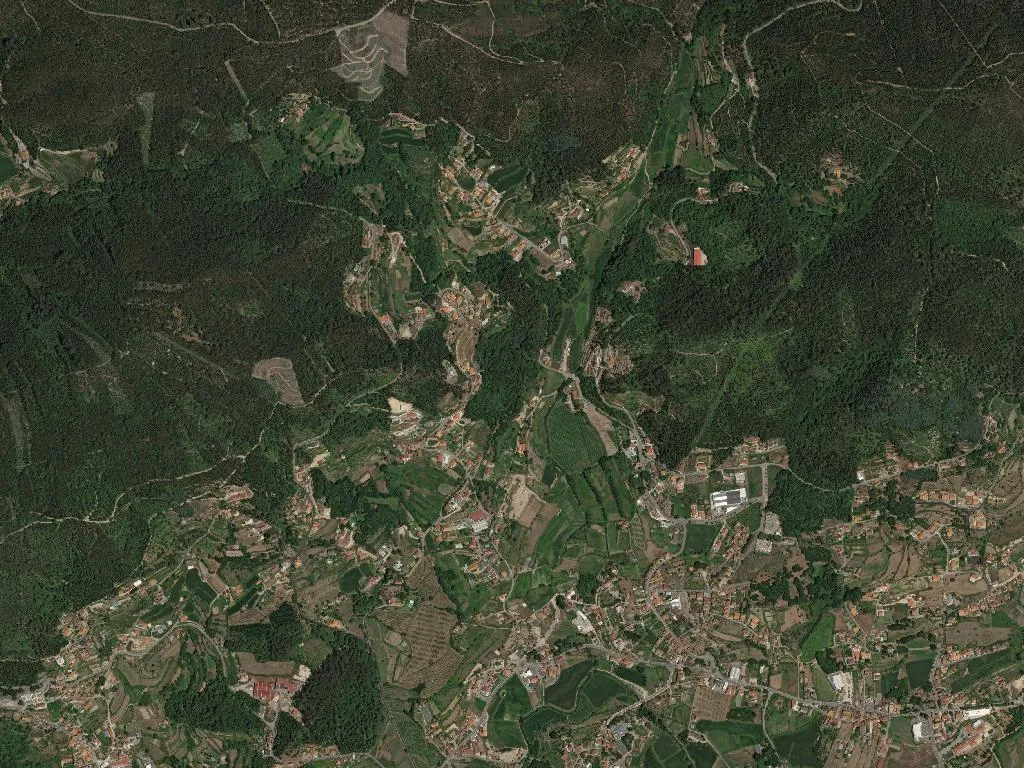
The parish church tolls seven times and the sound skims across the stone forecourt, slips between slate roofs and keeps travelling until it meets the stone-walled terraces that nobody has planted with maize for twenty years. At 302 metres above sea-level, Santa Eulália doesn’t announce itself – it leaks into consciousness: the drift of oak-smoke from the communal bake-houses, the faint sweetness of egg-yolk sponge that grandmothers still whisk with a laurel twig on Saturday nights, the sight of a granite corn-store with nothing inside but last year’s swallow nests.
A martyr, a queen and a card game
Officially the village honours Eulália of Mérida, but the stories told over espresso and a fierce game of sueca in the single café are of another saint: Queen Mafalda, wife of King Afonso Henriques, who rode this way in the 12th century to visit the nearby Arouca monastery. Each May her passage is re-enacted with silk-paper arches and women who sluice the streets with water and vinegar until the cobbles shine. Human presence is older still – two Visigothic gravestones, now National Monuments, languish moss-covered in the cemetery, their Latin names illegible. The 18th-century manor house overlooking the square still bears its original coat of arms, but inside it has been carved into three holiday flats; Netflix flickers behind the carved window frames after dark.
Gilded wood, granite benches and too much incense
The baroque parish church is northern Portuguese in its restraint – no excess of gold, just well-behaved altarpieces that catch candlelight and hold the scent of overheated beeswax. Eighteenth-century blue-and-white tiles recount the life of St Eulália in panels that are quietly separating at the seams. Half a mile above the village, the Chapel of Nossa Senhora da Laje is scooped straight from the rockface; its stone benches fill each August with pilgrims who climb the final metres barefoot in payment of old promises. Higher still, the solitary Chapel of St John the Baptist surveys the Paiva valley – a wind-polished lookout where the only sounds are river water and the echo of dogs barking across the ravine.
Kid goat, clay-pot goat and other animal matters
Kitchens here do not hurry, and vegetables are mostly a garnish. The weekend’s star is cabrito assado da Gralheira – IGP-protected kid roasted for five hours in a wood-fired oven until the skin shatters like spun sugar and the meat subsides from the bone. It is served on Formica tables in dining rooms that open only on Saturday and Sunday, poured with rough red wine from plastic beakers. Arouquesa beef – DOP-certified cattle that graze the surrounding uplands – appears as slow-roast shoulder or in clay-pot chanfana, dark with red wine and enough garlic to discourage vampires. Smoked sausages – chouriça, morcela, salpicão – hang in kitchen lobbies beside January’s onion-link strings, curing in the same air that seasons the family hams. Desserts are unsweetened ink: egg-yolk confections measured by eye and grand-mother memory, sticky with DOP Minho Highland honey decanted into reused wine bottles and labelled in biro.
Corn stores, footpaths and a Unesco geopark
Santa Eulália lies inside the Arouca Geopark, 328 square kilometres recognised by Unesco for its slate-grey trilobite fossils and sheer granite ribs. Waymarked trails leave the village between dry-stone walls where wild peppermint grows and 80-year-olds still collect leaves for morning tea. The corn-stores – among the best preserved in the municipality – stand empty beside the threshing floors; local maize gave up competing with cheap Brazilian imports decades ago. Wild boar have torn up João’s potato patch, and short-toed eagles circle over the valley, waiting for kitchen scraps of roast kid to be flung out with the peelings.
Saints, sausages and sons who come home
Religious festivals still pace the year, though the engine oil is now beer and burnt sugar. May brings the Festa da Rainha Santa Mafalda – processions, brass bands and a van that sells doughnuts to returning émigrés. In mid-August the hilltop pilgrimage to Nossa Senhora da Laje turns the chapel forecourt into an open-air canteen of sagres on tap and bifanas sizzling on aluminium trays. September’s harvest festival, for Nossa Senhora da Mó, ends with children performing folk dances in costumes their parents bought at Barcelos market. Bonfires, chestnut roasts and fireworks keep rural tradition on life-support, even if the Tuesday night marching band is staffed by holidaying sons and daughters who will be back in Porto or Paris by Monday.
Evening settles; smoke from the last communal oven threads into hill fog and the smell of fresh bread drifts along lanes where only a handful of houses still keep a stack of firewood. Santa Eulália offers no spectacle, only the slow pulse of a life ordered by soil, chapel bells and the first Friday-night headlights sweeping down from the ridge – the signal that the week’s exiles have come home.