Full article about Fornos: Where the Douro Became a High Street
Rabelo ghosts, granite quays and hill-fort views in Castelo de Paiva’s river amphitheatre
Hide article Read full article
When the river was the high street
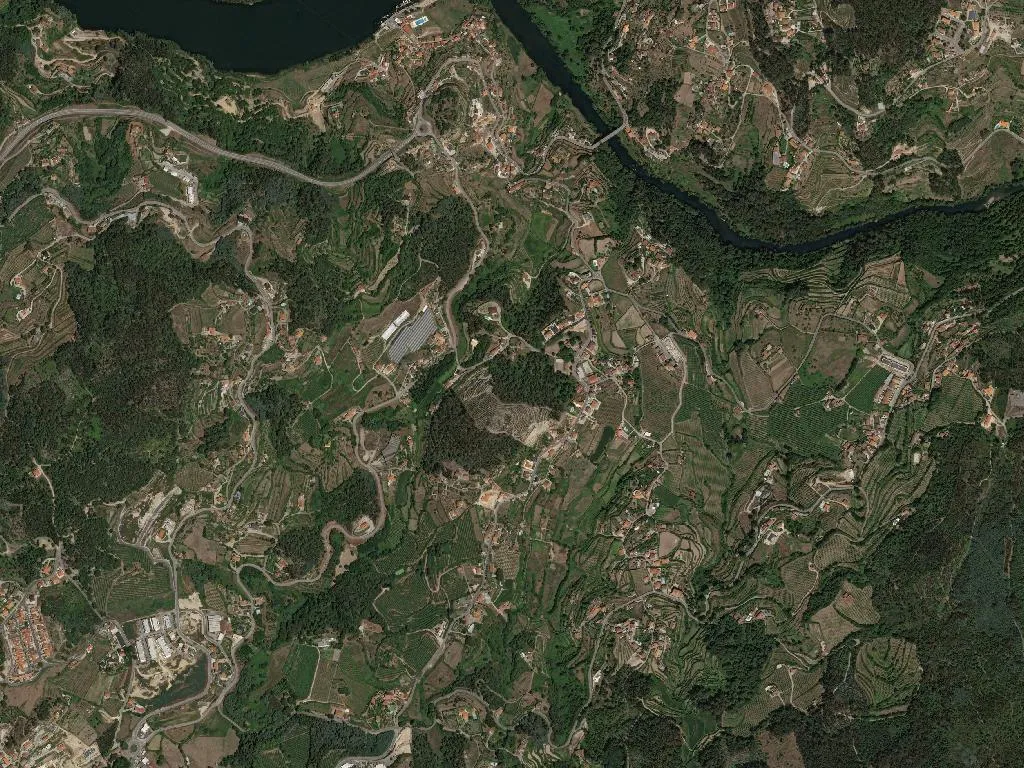
The last rabelo boat has long since sounded its horn, yet the Douro still unfurls like a patient parent at Praia do Castelo. In Fornos the river widens into a natural amphitheatre where water replaces cobbles. A century ago, boys leapt straight from the bank onto cargo decks, riding downstream to sell firewood to the cafés of Porto. Today the traffic is paddleboards and the occasional kayak, but the granite quays remember every boot.
A dockyard that dissolved into gorse
Of the old boatyards only rectangular hollows remain, bruised with gorse and broom. Ask around and the stories rise like tar vapour: hammer-blows echoing off the water, the stink of Stockholm tar, and the “Black-Squad rabelos”, flat-bottomed hulls built to carry Pejão coal. My great-uncle Zé, who once caulked their seams, swore a contrary wind could stretch the run to Porto to eight days. Through it all, the parish church—founded after a 12th-century king asked who owned this land—has kept its back to the road and its eyes on the river.
Stone that knows names
The 16th-century Igreja Matriz needs no size to command respect: one bell tower, slit windows, and the Sampaio coat-of-arms mortared into the façade like a business card that reads “we’re staying”. Across the tarmac, the single-cell Capela de Santo António is smaller than most kitchens, yet on 13 June it glows with a hundred candles and the whispered hopes of women who want a husband, or simply a less ferocious dog. Climb the Castelo hill-fort above the village and the reward is Iron-Age ditches and a postcard panorama of two rivers sliding together.
Sardines, fireworks and custard-soaked bread
Fornos shrugs off its usual hush at the end of June. Plastic tables sprout on the EN222, sardine smoke drifts across car bonnets, and vinho verdo is poured from five-litre jugs that look suspiciously like diesel cans. The São João procession moves at funeral pace but feels like a street party: gossip is exchanged, the brass band negotiates a waltz, even the Ferrugems’ mongrel trots respectfully behind the banner. Morning-after salvation arrives in the form of rabanadas—egg-soaked sweet bread the grandmothers have guarded since New Year precisely for this moment.
The island no one ordered
When the Crestuma–Lever dam closed its gates in 1985, water backed up and stranded a wedge of riverside vineyard. Now mapped as Ilha do Castelo, the accidental islet can be reached by Canadian canoe—or, in late summer, by hopping across exposed stones. The old coal warehouse footprint is now a manicured lawn: bring a rug, a stick-throwing dog, and you have a private beach the Algarve could never invoice you for.
Fornos keeps its stories low-voiced. No gift shops, no selfie frames—just the soft slap of river against stone and the certainty that if you knock on any door, someone will still find the same glass and the same conversation exactly where they left them.