Full article about Dawn scent of hay and heather over Paraíso’s granite square
At 314 m the village breathes bread, river mist and foot-trodden Touriga grapes
Hide article Read full article
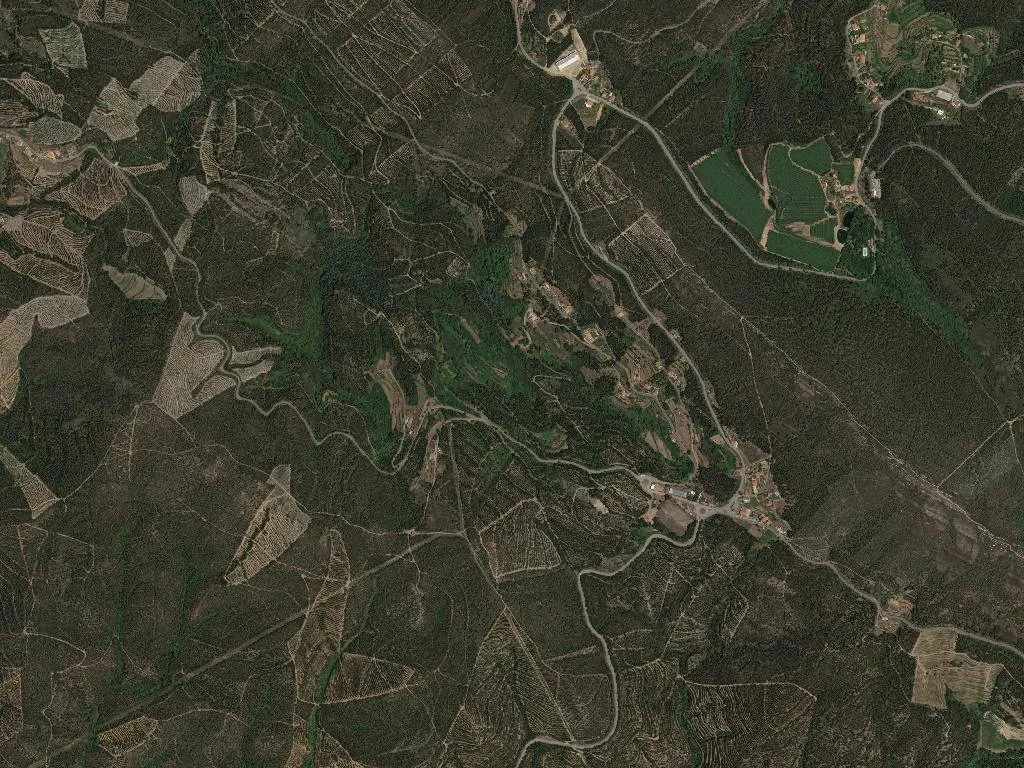
The granite of the church square is still warm at 7.30 a.m. when Sr. Amadeu pulls back the metal shutter of the only grocery. Yesterday’s pão de caldeiro is slid through the electric oven; its crust exhales and the valley answers – a draught of last week’s cut hay, the damp clay of the Paiva, and the resinous snap of heather from the ridge above. Paraíso perches at 314 m, neither summit nor valley floor. Stand at the belfry and the view tilts sharply down to the slate roofs of Mafódia, then rises again to the scrub-covered crown of the Gralheira. When the fog banks roll in from the river, sight is replaced by sound: water lisping along the levada, herons arguing overhead, a granite door thudding shut like a heartbeat.
Where stone remembers
The parish church is no heritage set-piece. Plaster flakes from its north wall like old sunburn; boys still boot a scuffed football across the forecourt on Sundays; inside, the air is a compound of candle wax and camphor-lined cupboards. The gilded altarpiece was paid for with the profits of the 1893 vintage – locals still point at the carved angels and mutter “it’s ours”. Up Rua do Calvário the chapel of São João appears without warning, a one-room granite box balanced on the lip of the escarpment. From the doorway the valley is not a picture – it is a working carpet of smallholdings: slate, corrugated iron, vines left to their own devices since the last owner emigrated to France. The medieval bridge – two piers and a single arch – is now a July diving board for teenagers; its water-polished stones speak louder than any interpretation panel.
Grapes and gunpowder
September tastes of must under fingernails. In low-ceilinged cellars the granite treading tanks glug with Touriga grapes; bare feet slap and slide, the only soundtrack apart from the odd giggle and the plop of falling fruit. “Vamos às uvas” is still a collective verb: neighbours arrive, sardines are grilled over the fireplace, everyone goes to bed with hair sticky from juice. On the night of 24 June there is no organised procession, only Sr. Albano’s bonfire of vine prunings on the threshing floor. Little pots of basil are handed round, each tied with a paper napkin scrawled with improvised love verses. Mass is at nine, but the priest waits until Dona Lúcia finishes recounting who has died, who has married, and whether the bread in her basket is properly blessed.
A plate with altitude
Arroz de sarrabulho is exactly what it says – pork blood, yes – but also thyme yanked from the schoolyard wall and a dash of river water. The Arouquesa beef on the counter came from Zé Mário’s pasture; he names his cows in Latin hexameters – “that’s Balbina, the other’s Fiasca”. In the grocery, mountain cheese sits on the till wrapped in cork paper; honey from the Terras Altas arrives in plastic flagons that Dona Odete will later refill with her own red. The festival sweet has no written recipe: “that thing with honey and walnuts” that grandmothers produced when the priest visited. Their granddaughters still use the same black skillet, though they now whisk the egg whites with an electric mixer.
Between river and ridge
The Paiva footpath does not begin with a glossy boardwalk; it starts at the bottom of Sr. Américo’s meadow where a splintered gate admits you to a zig-zag of schist. Smashed ferns and standing water scent the air; your soles read the difference between polished stone and sun-hot sand. When the river appears the silence is so absolute you hear your pulse in your ears. Climb toward the Gralheira and you pass a wall where someone pencilled “my dog died here 1987”; the letters have vanished, but the grief has entered the granite. On the way back the light is different – the sun stings the terraces, eucalyptus burns the throat, and from the village the bell tolls three times. It is not a call to prayer; it is the announcement that Sr. Jacinto has come home to the chapel for the last time.