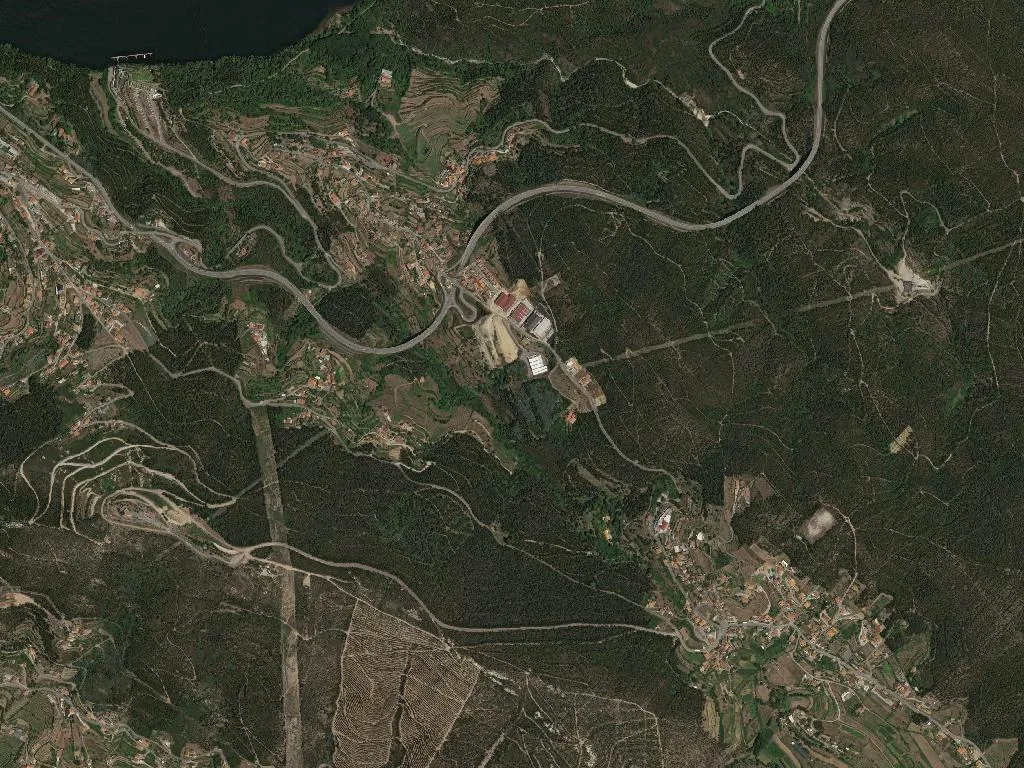
Full article about Raiva: where vines cling above the angry river
Medieval levadas, oak-grilled Carne Arouquesa and a station sign that makes everyone smile
Hide article Read full article
The granite station sign still says "Raiva"
The letters are so weather-beaten that visitors queue for selfies with the word that literally translates as "anger". Locals barely notice the joke; they’re tuned instead to the smell of oak smoke drifting from chimneys and the bass-note thud of the Paiva river against schist.
Raiva terraces its 1,533 hectares at 210 m above sea level, vines clinging on between eucalyptus plantations. The Levada de São João – a medieval irrigation channel now way-marked as a PR footpath – runs four kilometres from the church to the river beach. Allow thirty minutes, twenty if the weather is kind.
Church & Festivals
São João Baptista was rebuilt after the 1755 earthquake; inside, gilded carvings gleam unnoticed while villagers swap gossip beneath the 1529 Manueline cross outside. June’s Festa de São João fills the square with €3 sardines, concertina riffs and fireworks that send dogs scrambling under tables. In January, the Romaria de São Sebastião blesses animals beside a chapel tiled with painted birds; singers perform the seven verses of “Cântico ao Paiva”, a 1923 hymn to the river.
Where to eat
Tasquinha da Raiva grills Carne Arouquesa DOP over oak; €12 buys a scarlet slab with roast peppers. Wood-fired kid goat needs four hours, so telephone before 11 a.m. Wild-boar alheira comes from the Guarda hills, not the valley, yet every grocer stocks it. Loureiro vinho verde is sold by the litre from farmhouse cellars for €3; the Vinho Verde Interpretation Centre opens Fri-Sat, pouring three labels for €5. At harvest, Quinta do Boição trades a morning’s grape-picking for lunch and a bottle to take away.
What to do
Drive 4 km south on the EM558 to the Alto da Raiva viewpoint – a stone picnic table and an unbroken ridge-line south to the Serra de São Macário. A barred grotto 200 m away once hid the church silver from French troops in 1809. Finish with the 1882 granite road-bridge into Castelo de Paiva proper; the bus from Porto deposits you at the near end, river-mist rising through the arches.