Full article about Copper, Candlewax & Douro Views in São Martinho de Sardoura
Walk São Martinho de Sardoura to smell hot copper, taste flame-grilled Carne Arouquesa and watch the Douro glint below.
Hide article Read full article
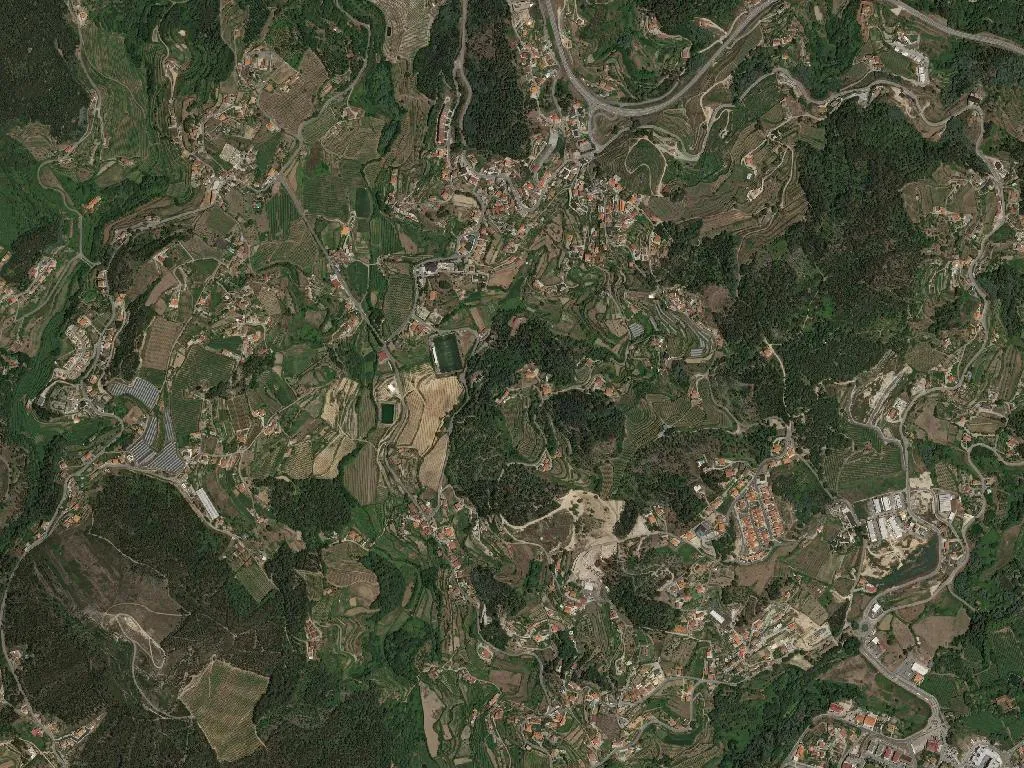
The copper hasn’t rung under a hammer for years, yet step into Sr Arménio’s workshop and the air still carries the metallic tang of heated ore. Flat sheets arrive; they leave as deep pans for lamprey rice, milk pails, finger-handled saucepans—objects no visitor stuffs into a suitcase, yet every kitchen in São Martinho de Sardoura still swears by them. “They behave better than that stainless-steel rubbish,” Arménio shrugs. The entire parish stretches across barely four square kilometres—1,849 souls who can recite one another’s full baptismal names—but fold back its hills and you’ll find more layers than many a city.
Two churches, two centuries
The early church has shrunk with the centuries. What once loomed over packhorses now fits inside a single photograph, yet the granite still exhales melted candlewax and ancient incense. Grandchildren of the long-ago baptised still occupy the same pews—only the seating has been upgraded to plastic chairs the priest picked up at Intermarché. Fifty metres away, the 1970s church lands like a glass-and-concrete spacecraft on the churchyard; light skims across the congregation and makes the elders blink. Between the two buildings time hasn’t moved; it has simply settled on a bench to rest its legs.
The Douro from the edge
From Catapeixe’s lookout the river shows itself as a silver filament that snaps when the sun strikes head-on. Guidebooks never mention the wind’s scent of gorse and bramble, or the way almond blossom in April sweetens the air until you can almost taste marzipan. Sr Joaquim’s grandsons sneak up here for a forbidden cigarette, occupying the same plank bench where the old man sliced his finger carving a love promise in 1973. The view is unchanged; only the boats have swapped cargo—tourists now, €15 a head, photographing what Joaquim still gets for free every evening.
Flavours that speak of soil
Carne Arouquesa DOP arrives thick-cut and confident on the plate at Sr António’s tascinha—chipped china, hand-cut chips, a slosh of his own garage-fermented white. Kid goat is reserved for homecomings: grand-daughter’s birthday, the son flying back from Lyon. When rosemary and garlic start drifting down the lane, neighbours know a celebration is under way. Sr Albano’s honey is midnight-dark; he claims his bees raid upland eucalyptus, though no one quite believes him. Taste it on warm broa and you won’t care about the botanical details.
River Sardoura, daily stillness
Winter torrents scour the bed; mid-summer leaves nothing but sun-warmed stones. Children learnt to swim in the puddles their fathers gouged with a spade; mothers scrubbed shirts on granite slabs now colonised by German paddle-boarders. On São João night the council rigs up a sound system and coloured bulbs, but the old timers remember when the party belonged to the village—sardines bought straight off the boat, wine ladled from the clay talha. Plastic chairs and security guards have replaced wooden stools, yet the bonfire burns in the exact spot where grandmothers once rendered pork bones.
In the hamlet of Virtudes, the chapel of Santa Ana stands exactly as Sr Mário left it when he boarded the Brazil-bound steamer in 1962: door ajar, roof crumbling. The rose his wife planted still flowers each spring, as if unaware that no one remains to admire it. It is the lone living thing among the falling stone, and when the wind lifts you could swear you hear her calling a name that never came back across the Atlantic.