Full article about Avanca: fat sizzles by the rice paddies
Fog lifts off the paddies, church bells rattle the panes, Marinhoa beef smokes beside ovos moles.
Hide article Read full article
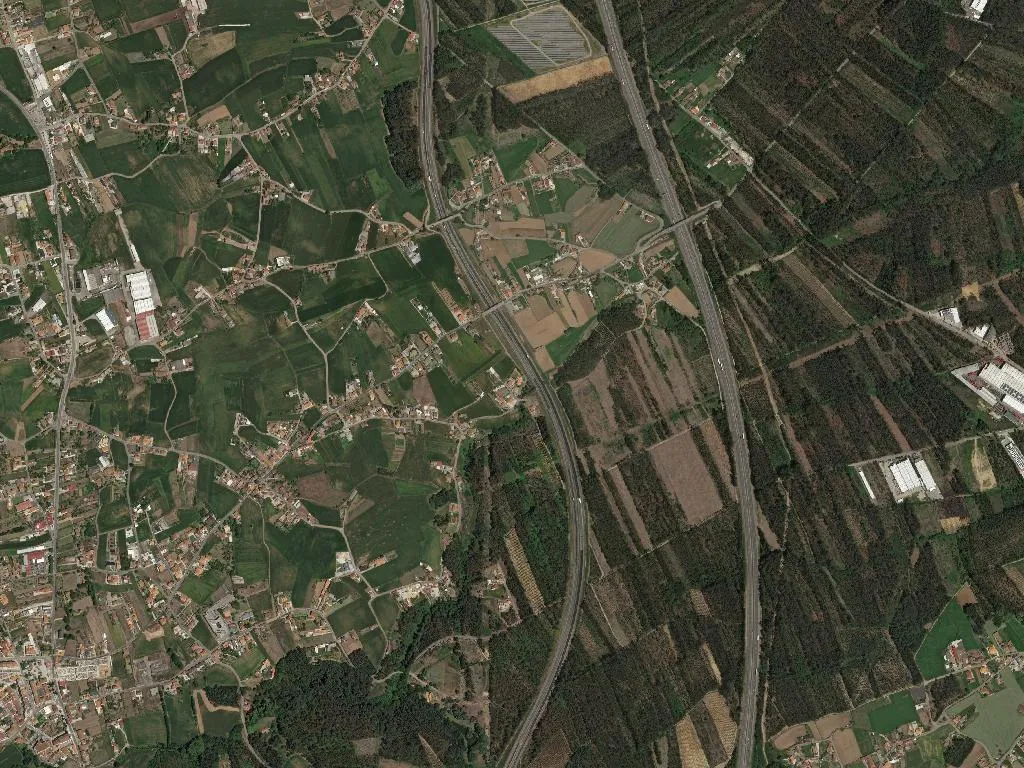
Avanca, where the plain exhales
The air arrives thick as wool. Not suffocating, simply present – a damp scarf slipped around your shoulders the instant you open the door. At seven, while fog still unpicks the rice paddies, the smell of fresh cow manure braids with yeast drifting from the bakery on the square. Wet earth, fermenting dough, a ribbon of eucalyptus smoke: that trilogy tells me I’m back in Avanca.
I walk what we literally call “Main Street” and find Sr Armindo syringing lettuces. Water leaves the hose in a single hair-thin thread; each droplet takes geological time to hit the soil. “Going to be a hot one,” he mutters without looking up. His hens will need shade by eleven; he can read it in their stride.
A church that refuses to lie down
Our monument is the parish church, though no one bothers with the full title. Two square towers punch the sky like raised index fingers, and when the bells strike noon the sound rattles nearby window-panes. Listed in 1977, but the paperwork is irrelevant: inside, four generations of my family were hosed in holy water and sent on their way.
Beside it, the cemetery stones recycle the same surnames – Silva, Costa, Pereira. Plastic carnations bleach under the sun; battery candles flicker even at midday. In a landscape where altitude is measured in centimetres, the graves supply our only topography – a gentle, necessary hill.
Marinhoa beef and the sweetness stolen from the lagoon
On Fridays Zé Manel slaughters a Marinhoa heifer that grazed for three years on the Curval meadows. The fat the colour of burnt sugar spits in the pan; my grandmother swore it “tastes of soil and rain”. We eat it with home-grown black-eyed beans and a tinto from Bairrada that my uncle ferments between his car and the tool bench.
Yet it is the ovos moles that hijack most conversations. At Pastelaria Central, Dona Lurdes has folded the fragile shells since 1983. The communion-wafer casing arrives by courier from Lisbon – “no patience for that here” – but the filling is strictly local: yolks from free-range hens, raw cane sugar, cinnamon hauled down from the Beiras. Two bites, thumb lacquered in yellow grit, gone.
Shells in the rucksack, mud on the laces
Pilgrims straggle in dust-coated and vague, uncertain where the world ends. They halt at Café Avanca – “open since 1962” – order a bica and a mountain-cheese sandwich. António, the owner, always asks, “Coming far?” then insists on sketching the shortest route to the next church.
An albergue occupies the old primary school, but most opt for the room Dona Rosa lets at the back of her house. They claim it’s for the garden – roses duelling with parsley – but they stay for breakfast: bread thick with homemade butter and tomato jam she pots every August and guards like bullion.
The arithmetic of staying
By ten the café is a parliament of peaked caps who no longer reach the fields. They play sueca, lace coffee with aguardiente, and hold a referendum on the weather. Their wives ferry grandchildren to the new glass-sided school – an implant that gleams like a false tooth. Inside, Dona Helena still teaches pupils to say “Oh my God” when they trip, just as she taught us.
Census clerks insist we are shrinking, but they forget to count the weekend returnees. Zé Carlos’s Lisbon-educated sons roar back on Friday evenings, boots full of Continente hypermarket bags. Their nine-year-old already knows which row births the lettuces and wonders why Grandma refuses Wi-Fi.
The last sound before you leave
When the sun drops behind summer clouds there is no performance; the light simply switches off, as though someone has left a room. Night sounds filter in: a cricket in the fig tree, Sr Albano’s dog barking at the wind, the neighbour’s television murmuring through an open shutter.
Yet the defining note is the hush between them – silence not as absence but as texture. It arrives once the final tractor dies, once children’s games expire, once the church bells finish shivering. In that hush the plain finally speaks. What it says is uncomplicated, almost embarrassing in its directness: stay.