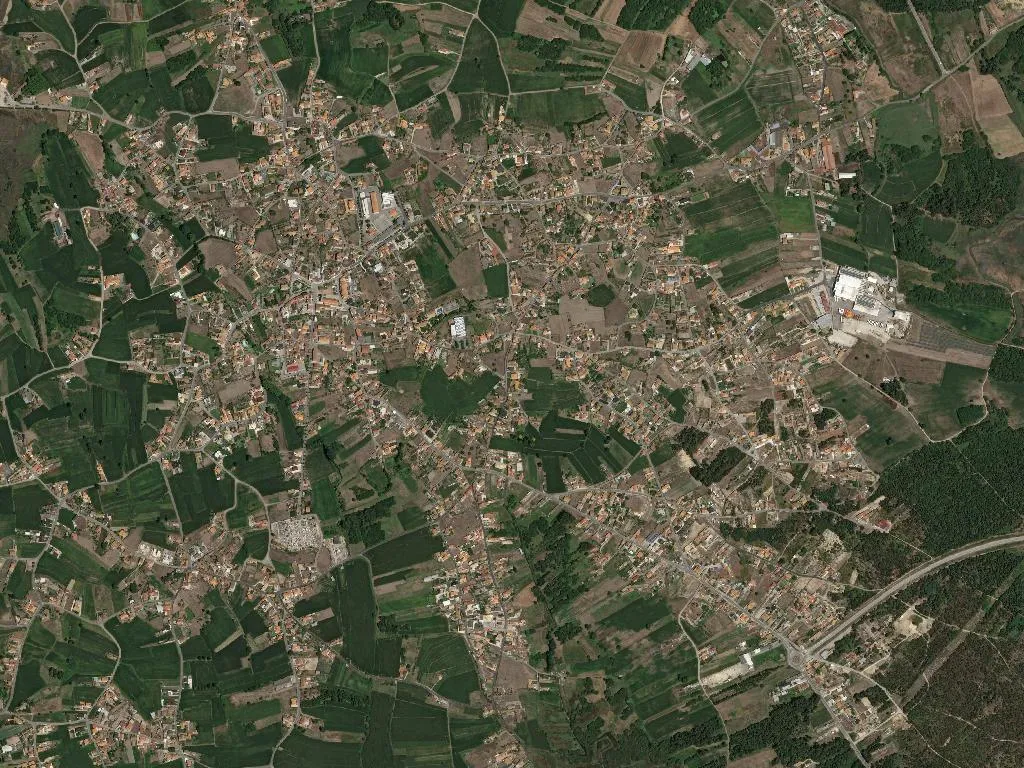
Full article about Pardilhó: 8-Minute Drive, Lifelong Memory
Cornfields, tidal ditches, Manueline stone and 6 a.m. pastry—life rolls on Portugal’s EN 235.
Hide article Read full article
Eight Minutes on the EN 235
I have driven the EN 235 through Pardilhó so often I can clock it: exactly eight minutes from Estarreja’s central roundabout to the parish centre, red light at the Intermarché included. The road runs ruler-straight between cornfields and the fingers of the Ria de Aveiro that slide inland here under the old name mira—dialect for the drainage ditches that criss-cross the carriageway. At 12 m above sea-level the land itself breathes with the Atlantic tides: when the bar at Aveiro opens, water rises to tickle the roots of the alders that shade the lane to the church.
Stone with a Licence Number
There is no single “listed monument”. There are two, both scheduled by the former IGESPAR in 1982: the Igreja Matriz, a Manueline shell rebuilt after the 1755 earthquake and dressed inside with a gilded altarpiece attributed to José de Almeida (1763); and, three kilometres away in Travaçós, the Capela de São Roque, tiled in early-18th-century azulejos whose cheese-flower pattern looks oddly Flemish. Since 2016 the coastal variant of the Camino de Santiago has cut through here: pilgrims leave the church street, pause at Padaria São José for coffee, then duck beneath the A29 viaduct where Nuno Sousa painted a three-storey rooster in 2019—Portugal’s unofficial national symbol given a punkish graffiti spin.
Meat, Eggs and 6 a.m. Pastry
Marinhoa beef—Portugal’s only native cattle with DOP status—reaches the village grocer three mornings a week from Estarreja’s abattoir. At the counter of Talho O Pardilhense, opened by Sr Arnaldo in 1987, entrecôte is currently €12.50 a kilo, up €1.80 since 2020. Ovos moles, the candied-egg delicacy of Aveiro, are not made locally; they arrive daily from the Confeitaria Peixinho and are sold in cedar boxes of six for €1.20 each beside the pastéis de nata that D Fernanda laminates at dawn, every day except Sunday.
Bell at Seven
Census 2021 counted 576 children under 14, yet the primary school built in 1995 has only 124 pupils across five mixed-age classes. Restaurant O Batista, open since 1973, still serves cozido à portuguesa on Wednesdays—thirty covers only, reservation essential (telephone +351 234 832 123). Of the three places that take overnight guests, only two are licensed: Casa da Eira and Quinta da Lagoa. The third is D Alice’s spare room, €15 with breakfast, offered informally to passing walkers “whenever there’s someone”. At 19h00 the church bell strikes, the grocery shutters, Sr Carlos fires his miniature grill for sardines bought from the 17h00 fish van, and children are summoned home: “There’s still light to play, but supper’s on the table.”