Full article about Antes: Clay-Clad Village Where Roosters Echo at Dawn
Morning mist over red Bairrada vines, freight-train rattle, oak-smoke beef—Antes lives raw.
Hide article Read full article
Mist on the cobbles, rooster in the air
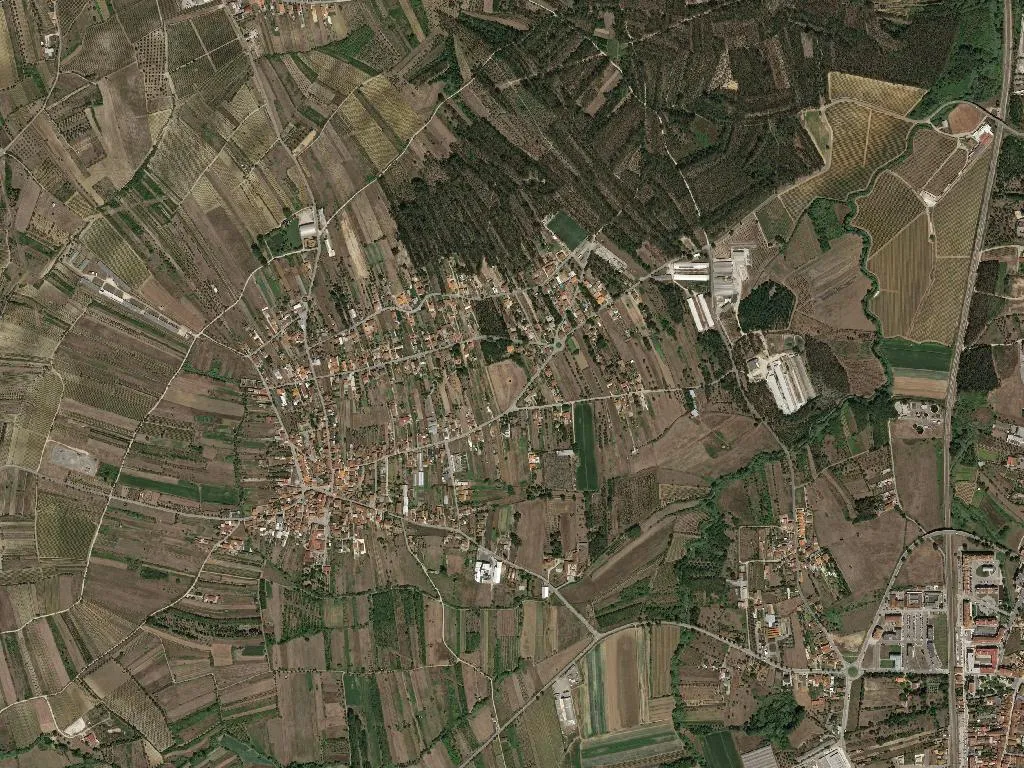
Dawn in Antes smells of wet basalt and clay. At 54 metres above sea-level the morning mist hangs low enough to blur the vineyards that press in from every side, while the 7.23 freight to Coimbra clatters past garden walls where cabbages glow like pale lanterns. No postcard idyll, this: 2,124 people occupy four square kilometres of terraced housing, vegetable plots and petrol-station cafés, and the place feels it. Children spill out of the primary school at 8 a.m.; by 8.15 the parish council car park is already a chessboard of dented Renaults.
Red earth, low vines
Bairrada’s trademark red clay is everywhere—caking boots, staining the cuffs of pickers who move along the wires like tailors threading needles. Baga and Maria Gomes ripen late here; after the September harvest the air turns jam-sweet and the small cooperative winery on Rua da Feira stays lit until midnight. There are no château gates or glossy tasting lounges, just the vines doing their quiet, necessary work the way they have since the Marquis of Pombal demarcated the region in 1756.
In the butchers’ cold-cabinets you’ll spot Carne Marinhoa DOP—rose-coloured beef from Maronesa cattle that spend their lives grazing the same clay fields. Order it at the single grill-house in the village and it arrives with nothing more than coarse salt, a wedge of lemon and the faint taste of smoke from the oak-fired hearth.
Footprints of pilgrims
The Central Portuguese Way slashes straight through Antes, way-marked in yellow. Backpackers stop only long enough to refill bottles at the communal tap outside the chapel, their languages—Korean, Polish, Brazilian Portuguese—briefly overtaking the local dialect. No albergue, no souvenir stalls: just two registered guestrooms above a bakery that opens at 5 a.m. for coffee and custard tarts still warm from the oven.
Access is almost too easy: the A1 is six minutes away, the rail halt at Pampilhosa another five. What is hard is slowing down long enough to notice the details—the way wood-smoke from winter chouriço curls above the rooftops at dusk, or how the rooster next door keeps time with the church bell. Stay for one more coffee and Antes begins to reveal itself: not a place you tick off, but a place that ticks quietly on.