Full article about Ventosa do Bairro: where Atlantic wind meets Baga fizz
Beneath the Serra do Buçuco, limestone soils breathe sea-salted air into Baga vines and bottle-ferme
Hide article Read full article
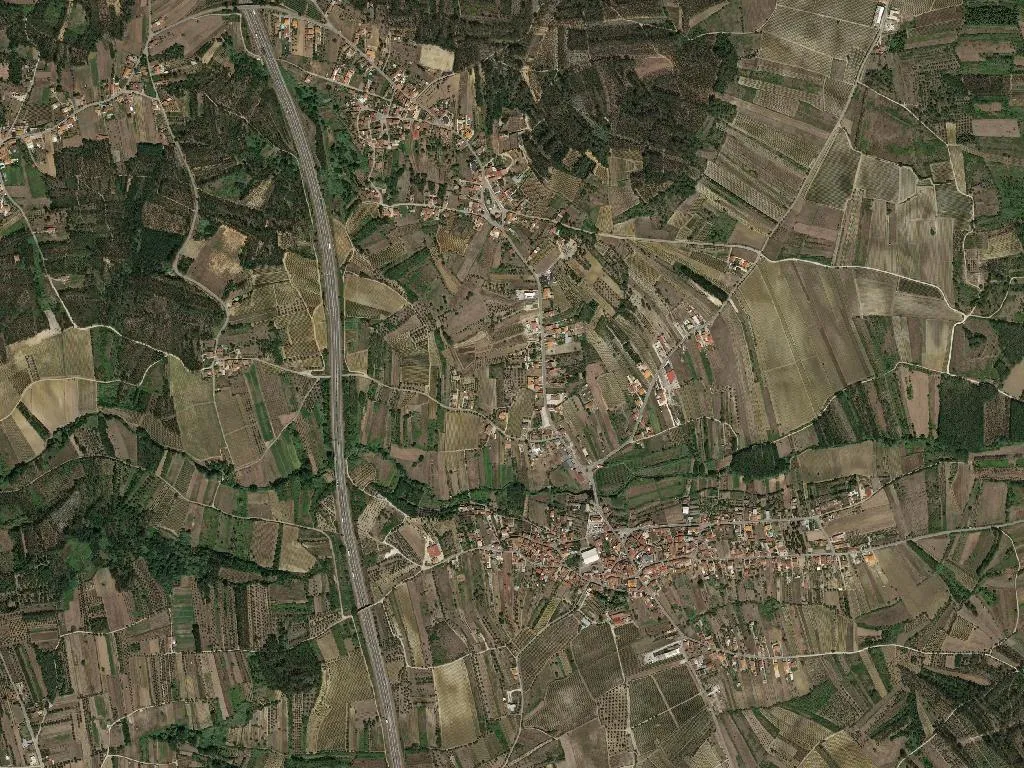
The wind arrives before anything else. It carries the resinous snap of sun-scorched heather drifting down from the Serra do Buçuco and flings it against a salt-laced puff from the Aveiro lagoon. The two currents tango at the brow of the N1, then spill fifty-eight metres downhill into Ventosa do Bairro at the pace of a Lisboa flâneur – deliberate, unhurried, certain. Between the rows of Baga vines the draught picks up whispers of limestone and the ghost of eucalyptus smoke still curling from Sr Zé’s backyard, where a stone-sided adega has cradled bottle-fermented espumante since 1978.
Parish regained, memory untouched
On 1 January 2025 Ventosa stopped being a footnote on Mealhada’s council minutes and became a parish again. Budget: €35,277 – enough for a new roof on the parish room and a lick of white paint for the roundabout. What the ledger cannot capture is Tuesday’s council gathering where the president still remembers whose husband died last winter and which teenager just left for Coimbra University. The help-desk at 2 Rua do Passal opens Monday and Thursday, 10–12.30. Arrive late and Clementina will fetch the spare key from under the hydrangea pot.
The settlement is older than parchment. A document from 981 mentions “Ventosa”, but the map that matters is the one traced by narrow lanes that tilt towards the stream, by houses angled south to dodge the wind, by vines trained to face away from the Atlantic. There is no castle, no pillory; only the flinty footpaths that stitch Ventosa to Mealhada, Luso, Cantanhede – and, ultimately, neighbour to neighbour.
Between vines and suckling pig
Bairrada begins here, not at the road sign but in soil that cracks under August trainers and in the sweet-sour breath of fermenting must that escapes stone presses each September. Baga is a stubborn mistress: tiny berries, thick skins, endless tannins. Refuse her timetable and she bites back. Inside Casal de Ventosa’s lodge the latest sparkling wine has slept sur pointe for thirty-six months. When the collar is loosened the cork exits with a report as dry and abrupt as the wind itself.
Sunday lunch is leitão. The wood is seasoned eucalyptus, the seasoning merely salt, pepper and garlic, the furnace a charcoal dome. Skin shatters, meat surrenders, fat runs down the chin. Mid-week you might find eel stew scented with laurel, Grand-mother Emília’s chicken-blood rice, or Serra cheese cracked open with a pocket-knife and dolloped with quince marmalade. Everything is washed down with Bairrada red served in clay càlices that warm the throat and accelerate the gossip.
Walking through generations
Population: 2,124. Children: 269. Over-65s: 502. The missing middle are, well, missing. The primary school has two rooms: one for Years 1-4, one for after-school club. When the bell rings children sprint to the grocer for 5-cent gummy bears; elders remain on the concrete bench beneath the plane tree, arguing whether the rain will arrive before St Martin’s Day. Mass begins at 11 a.m.; the church has no heating but it has Dona Amélia on the harmonium and Father António who will still slip into Latin when the choir begs.
The Portuguese Coastal Camino cuts across the parish but rarely lingers. Pilgrims refill bottles at the spring, ask for coffee, are pointed to Bar Central where António pulls industrial espresso and microwaves factory pastel de nata. No one complains. When dusk settles the wind softens – it never ceases – and the only sound is the soft ricochet of vine leaves. It is the soundtrack chosen by those who stay.