Full article about Cesar: Where Pottery Fumes Turned to Airbus Steel
Bronze-Age dolmens, Brazil-returned mansions and a church whose bells argue—Cesar village, Oliveira
Hide article Read full article
The metallic sigh of a forgotten works
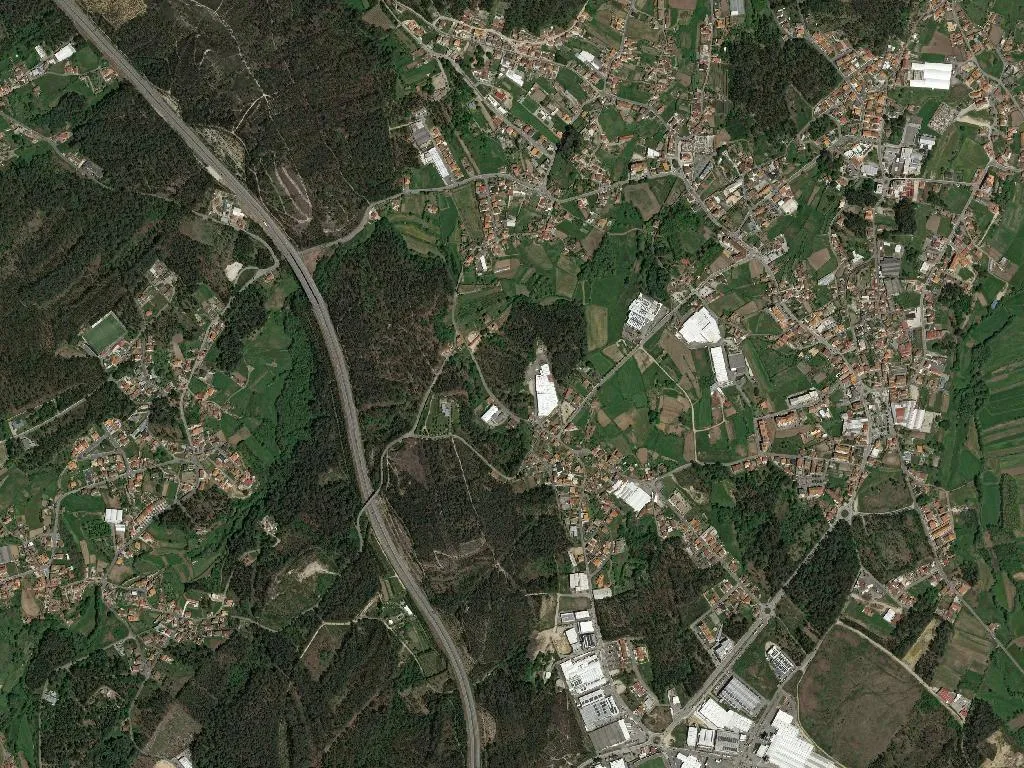
The screech of the Cesar Pottery’s century-old conveyor belts still sets teeth on edge for anyone who once clocked in at 7 a.m. At 332 m above sea level, where the valley folds look like waves caught mid-crash, the air no longer reeks of soluble oil. Instead, on mornings when the tramontana blows, it carries the tang of eucalyptus smoke curling from the chimneys of the few houses that still heat with wood. The Carochinha pressure-cooker – the only kitchen gadget ever patented in Oliveira de Azeméis – was born in a workshop that now machines Airbus landing gear, yet grandmothers still treasure the first edition, its lid stamped with a jaunty red cockerel.
When honour became an engine
Medieval tax rolls list “Cesar e Gaiate” as the fief of a knight who never bothered to visit. What matters is that in the 1890s local men sailed to Pará and came home whispering timber names – ipê, jacarandá, mogno – and the heretical idea that metal, not cloth, could make a fortune. The “Brazilian Houses” – the authentic ones, not the recent pastel-painted ice-cream parlours – keep their original 1920s azulejos: storks the colour of flamingos, children with porcelain-doll eyes. In one, on Rua da Igreja, José “do Brasileiro” installed the village’s first petrol engine, shipped from Salvador da Bahia. Today the garage shelters his granddaughter’s dance shoes and the memory of that single-cylinder Putt-Putt.
Two towers and a talking stone
The parish church has asymmetric towers because Father António vowed the second would rise only if the French stayed away in 1834. They didn’t – they halted eight kilometres south in São João da Madeira – but he built it anyway. Now the bells toll seven o’clock three seconds out of sync; the left-hand tower is forever running late. Behind the cemetery the Pedra da Moura dolmen is more than a Bronze Age tripod of granite. It is where teenagers smoke their first Marlboro and where, on St John’s Eve, widows still lay wild marigolds “so the souls don’t sulk”.
Footpaths that remember for you
The Portuguese Central Way of St James cuts straight through the village, yet half the pilgrims miss the turn at Levada. Some fetch up at Guida’s tavern where house wine is poured into recycled yoghurt jars; others drop to the River Ul where two water-mills still grind with stone wheels that must be kept wet overnight. The Cesar Trail – sketched by three friends over a bottle of bagaceira brandy – gives the family doctor a printable excuse for the calories in a plate of sarrabulho rice. In La Salette Park every eucalyptus fell during Cyclone Gong in 2013; the clearings are now thick with tree heath and strawberry trees where scout troops play at being Cherokee.
What the locals eat when no one’s looking
The Arouquesa beef arrives from Vilarinho, Joaquim naming each cow after an ex-girlfriend. The Marinhoa steer is reared on the Seixal estate, but the animal is slaughtered by Zé Mário, who learned the craft in Minas Gerais and wields knives like percussion instruments. Alda’s bread is ready at four in the morning; when the flour sack empties she bolts the hatch and nobody argues – the wood-fired oven was built by her father in 1952. Mr Américo, 87, still cycles uphill to his hives; he claims the bees recognise his voice and have never stung him. During São Brás’s February fair the town hall foots the wine bill, yet it is the parish-hall old guard who simmer the tripas – served in clay bowls stamped by the defunct pottery.
The martyr who refuses to fade
Frei Simão de Vasconcelos was born at Quinta do Outeiro, today a chicken-run patrolled by a dog called Marx. Shot in Viseu in 1827 for defending the liberal constitution, he left letters to his sister flecked with sealing-wax and promises to return. The community centre keeps a pencil portrait – Father Simão looks like the village barber in a cassock. Every Thursday the retired teacher reads the friar’s last verses to bored teenagers: “Freedom is like bread: it has to be baked daily.”
When the sun drops behind the Freita ridge the derelict pottery glows the colour of rusted iron. Shutters clatter, mothers holler children indoors, supper smells mingle with river mist that drags the clouds downhill. Tomorrow the machines will whine again, but for now only satellite dishes whistle in the breeze – and the hush of 3,072 people who never thought of leaving.