Full article about Nogueira do Cravo: Where Time Moves to Cowbells
Granite crosses, schist walls and Arouquesa cattle guard this 16th-century hill parish above Oliveir
Hide article Read full article
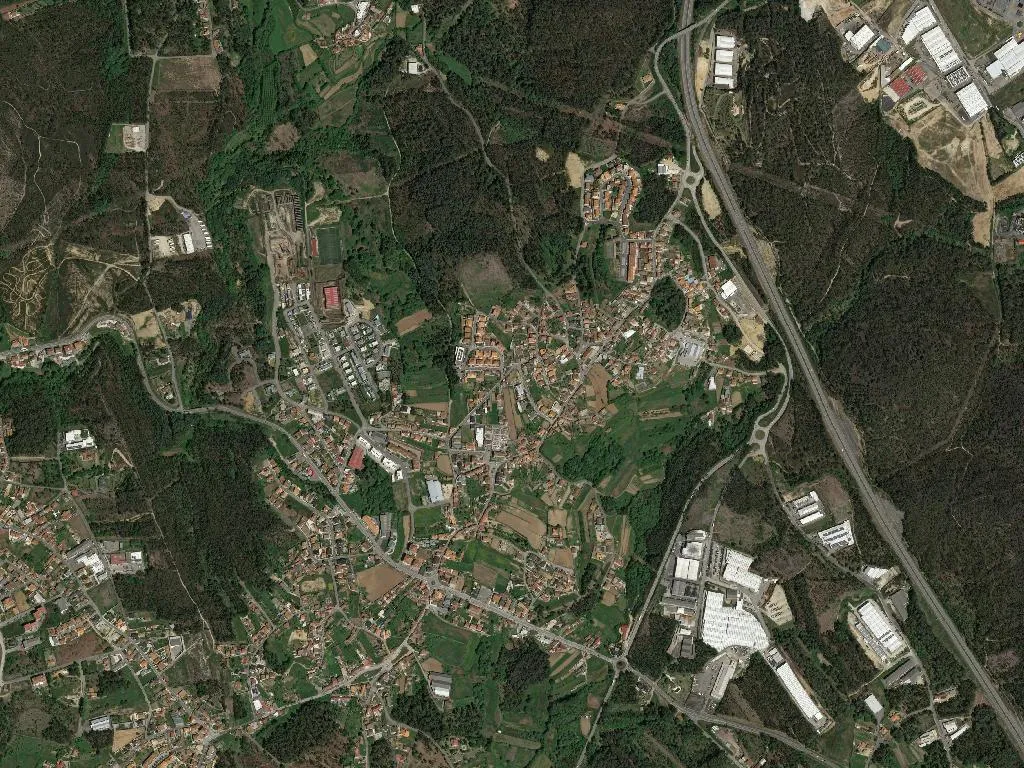
The bell of São Brás chapel strikes three sharp notes across the valley. Below, between schist walls that look stacked by giants and meadows where Arouquesa cattle watch the world go by, Nogueira do Cravo spills across hills that never quite became mountains. Morning light catches the granite of roadside crosses — those stone sentinels that have watched countless pilgrims pass with staffs in hand — and smoke rising from chimneys as if every house keeps a cricket singing inside. At 280 metres above sea level, the parish breathes to a rhythm that suggests time is something to be lived, not spent.
New land, old roots
The name comes from the Latin Nova Terra, yet what was new in 1540 now has silver threads in its hair. Created in the 16th century, Nogueira do Cravo only joined Oliveira de Azeméis in the 20th, when the municipality was already humming with factories. But the village remained stubborn: shepherding, terrace farming, household economies. There are no national monuments — and none are needed. Instead, the landscape reads like an open book: granaries still keeping secrets, springs where women once fetched water while trading gossip, irrigation channels that carry the river Cravo to vegetable plots like a glass of wine offered to a friend. The parish church, free of grand frescoes, holds votive offerings that speak of faith — mostly in silence, since here they learned God listens better that way.
Pilgrims and stone crosses
The Central Portuguese Way of Santiago cuts through the parish as casually as crossing someone’s living room. Travellers pause at the Cavada spring — if they find it, for no signpost shouts “drink here” — fill their bottles and leave with Portuguese phrases tangled on their tongues. The Nogueira cross, its stone worn by time and by hands seeking support, marks the ancient route. Higher up, the chapel of São Brás stands on a hill — visible from almost everywhere, convenient in the days before mobile phones. On 3 February, the procession climbs slowly, as processions should, and the priest blesses loaves said to ward off throat ailments. In September, the Festas de La Salette fill the night with candles and children asking when the food appears.
Arouquesa beef and highland honey
The cooking is what you eat — no lofty manifestos. Arouquesa DOP and Marinhoa DOP beef, because here cattle graze real grass, not factory pellets. Lamb stew simmers gently while life is discussed; chanfana darkens in glazed clay — add tomatoes and you’re instantly labelled a foreigner; rojão smells of grandmother’s kitchen. Highland honey sweetens the papos de anjo puddings women still make like a ritual. Vinho Verde, white or red, isn’t for tasting notes: it’s for drinking, full stop. In the local restaurants — Arouquesa and Cravo, since we’re naming names — tables fill on Sundays; arrive late and you’ll stand or wait outside.
Footpaths between valleys and hills
Trails link Nogueira do Cravo to Ul and Macieira de Cambra — old footpaths laid by people who needed to arrive yet were never in a rush. The river Cravo runs discreetly, almost shyly, feeding small valleys where mills still turn if you treat them kindly. The Serra da Freita ridge sketches itself on the horizon, imposing as a bodyguard. There are no protected areas; protection comes from those who have tended the land for centuries. Walking here means feeling your boots on uneven stone, hearing wind that brings news from afar, watching light shift as clouds pass. And if you meet an old man on the path, stop — he knows stories Google never will.
Dusk falls slowly. The São Brás bell sounds again — now for those returning from work. In the vegetable plots, someone harvests greens for supper, and smoke rises from chimneys like every house is enjoying a small wood-fire cigarette. The Camino continues, cobbled and quiet, heading north. The pilgrims move on, but Nogueira do Cravo stays — as it always has, between schist and sky.