Full article about União das freguesias de Oliveira de Azeméis, Santiago de Riba-Ul, Ul, Macinhata da Seixa e Madail
Manueline portals, osprey bends and baroque naves shape Oliveira de Azeméis’ merged parishes
Hide article Read full article
Where the River Ul Still Sets the Tempo
The sound gets there first. A low, steady hush rises from the banks of the Ul and threads itself between the terraced houses of Oliveira de Azeméis. Then comes the smell—damp earth, crushed nettle, a trace of moss that lingers when you turn downhill towards the water.
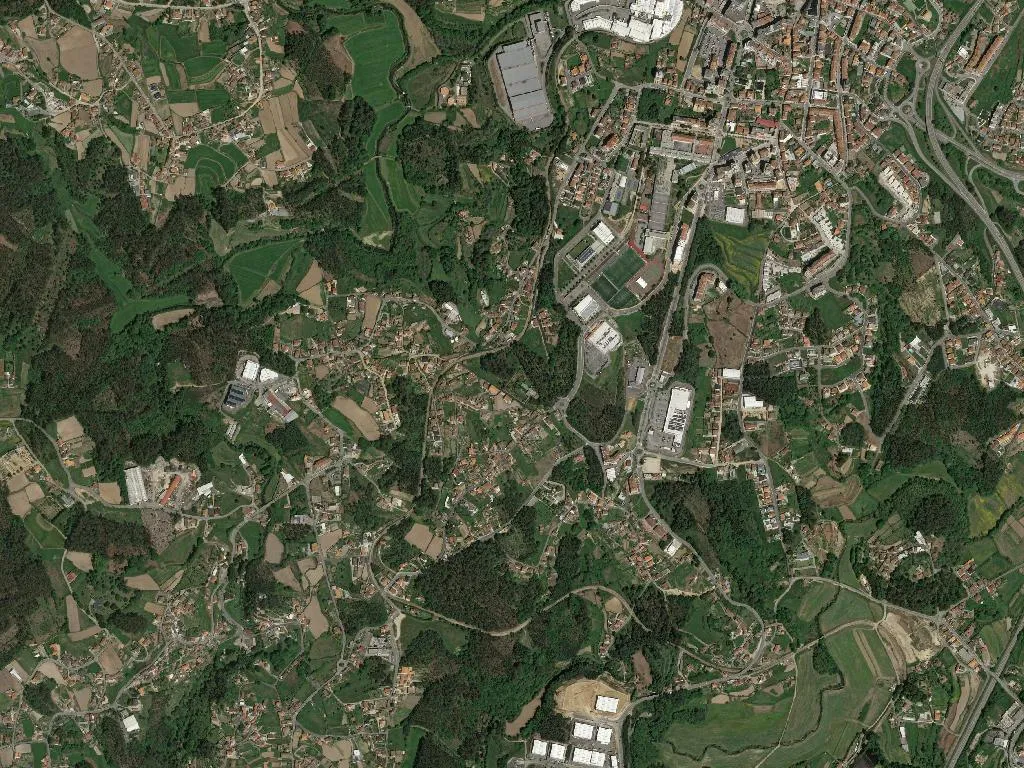
The five parishes merged in 2013—Oliveira de Azeméis, Santiago de Riba-Ul, Ul, Macinhata da Seixa and Madail—now share one council yet keep their own pulse. Roughly 20,000 people are spread across 26 sq km, and ten minutes beyond the small downtown the tarmac simply stops, giving way to ochre tracks where the river is the only conversation.
Stone That Spans the Ul
Ponte de Ul is 14th-century, single-arch, classified. Lichens have freckled the granite the colour of weathered pewter; even at midday the stone feels cool under the palm. Pilgrims on the Central Portuguese Way to Santiago pause here, rucksacks against the parapet, before continuing west.
A narrow footpath shadows the river south, weaving through white poplars and willow scrub. Water skims over quartz pebbles; bring binoculars and you can clock kingfishers and the odd osprey refuelling on the Atlantic flyway.
Manueline Curves, Baroque Swagger
The parish church of Oliveira de Azeméis squats on the site of a 12th-century chapel. Its south portal is textbook Manueline—ropes of carved stone curling into seahorses and armillary spheres—while the interior went baroque after the 1755 earthquake purse-strings loosened. Granite walls drink the morning damp, so the nave always smells faintly of rain.
February belongs to São Brás: processions, brass bands, stalls of castagnole fritters dusted with sugar. In September the La Salette festivals migrate from Santiago de Riba-Ul to the hilltop shrine above town—three days of candle-lit processions, open-air concerts and farmers selling persimmons and smoked alheira sausage from the boots of their cars.
Plate and Path
Arroz de cabidela arrives in a clay dish slick with scarlet wine-stock; the Minho-style pork belly glints with honest fat. Menus wave the DOP flag for Arouquesa beef and Marinhoa veal, both reared within the council boundary. Dessert is toucinho-do-céu, a monastic slab of yolks, almonds and sugar; drizzle it with Terras Altas do Minho honey and break up the sweetness with a shard of corn-bread.
Seven small guesthouses now line the Central Portuguese Way as it skirts the São Roque ridge—an easy 160-metre climb that gifts hikers a widescreen view of the Ul valley.
The Silence After the Map Ends
Madail holds barely 200 souls. Cycle two kilometres east and the loudest thing is a twig snapping under tyre. Santiago de Riba-Ul keeps its back to the road, facing the river instead—boats tied up beside vegetable plots, washing lines strung between fig trees.
Dusk brings the Atlantic fog upstream; the Ul vanishes first, then the bridge, then the hills. All that remains is the original soundtrack: water sliding under medieval stone on its way somewhere else, indifferent to parish boundaries or any traveller’s need for a story.