Full article about Caima Valley Echoes: Oliveira de Azeméis’ Time-Warped Trio
Granite lanes, 1513 royal charter & river-mist mills: Pinheiro da Bemposta, Travanca, Palmaz
Hide article Read full article
Where the Caima Murmurs Between Olive Groves and Royal Charters
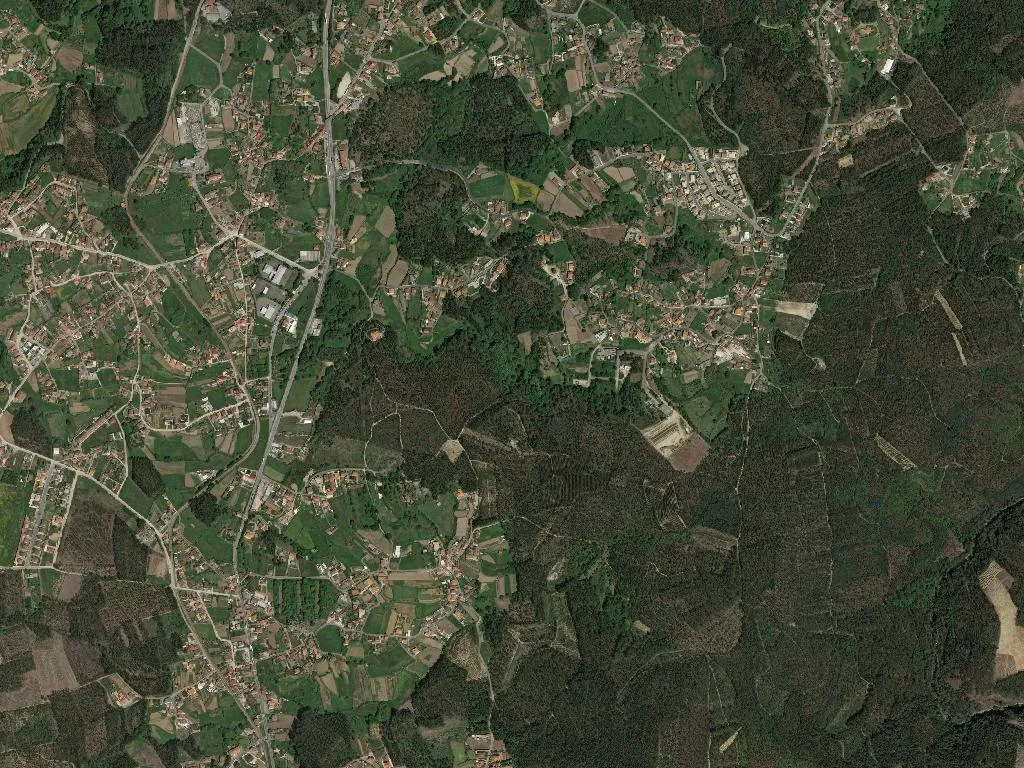
The river slips past alder and willow as though late for an appointment it never keeps. Stand on the granite bank at Palmaz at dawn and the valley’s soundtrack is simply water on stone, amplified by mist that smells of wet schist and bruised nettles. Pinheiro da Bemposta, Travanca and Palmaz were stitched into a single civil parish in 2013, yet each settlement keeps its own pulse. Together they cover 32 km² of Oliveira de Azeméis municipality, Aveiro district, at an altitude of 213 m—high enough for Atlantic air to drain downhill and fill the lungs with something sharper than sea salt. Of 6,735 residents, 1,500 are over 65, which explains why cafés unlock their doors at seven and parking is a matter of pulling up onto the verge beside a hydrangea.
A Vanished Pine Forest, a Royal Stopover and a 510-Year-Old Charter
Pinheiro da Bemposta—“Pine of the Good Post”—owes its name to a stand of maritime pines that were felled long before the railway arrived. The “good post” was a stone pillar marking a day's ride between Porto and Lisbon; D. Manuel I upgraded the hamlet to a chartered town in 1513, issuing a foral that survives in the district archive. Travanca and Palmaz, recorded in 12th-century tax rolls, never won royal ink but grew around Romanesque churches whose bell towers still rise above slate roofs. Between the three villages, dry-stone walls map medieval field systems; the granite steps in Bemposta’s back lanes are scooped like Roman baths from five centuries of boots.
The parish claims one National Monument—the 16th-century pillory opposite Bemposta’s mother church—and two Properties of Public Interest: Travanca’s dove-towered chapel of the Holy Spirit and Palmaz’s riverside mill, its waterwheel intact but now turning only for photographers.
August in Doublet and Hose: the Bemposta Manuelina Fair
Since 2023 the main street has been closed for three days each August and handed over to costumed re-enactors celebrating the charter’s 510th birthday. Armourers, apothecaries and a surprisingly convincing Queen Maria occupy pop-up stalls; wood-fired ovens exhale the scent of rye loaves while a falconer explains moulting to toddlers clutching plastic swords. Local shops record December-level takings in midsummer. The rest of the calendar is quieter: February brings São Brás, whose throat-blessing procession is prized by anyone prone to winter colds; in September the tiny chapel of La Salette overflows for an evening candle-lit mass followed by sardines served on doorsteps.
Three Protected Names on Every Plate
Order lunch and the law intervenes. By parish decree, any restaurant calling itself a tasquinha must stock Carne Arouquesa and Carne Marinhoa—PDO beef from long-horned mountain cattle—while pastries are glazed with Mel das Terras Altas do Minho, a high-altitude honey carrying its own EU seal. No wine appellation exists for the Caima valley, yet south-facing terraces above the river supply every dining room with unlabelled house red at €4 a bottle. Locals dilute it with mineral water and still call it vinho tinto; outsiders ask for the producer’s name and are met with a shrug.
Walking with Pilgrims and Tractors
The Central Portuguese Way of St James cuts an 8 km diagonal across the parish, joining tarmac lanes where yellow arrows appear only when a wall is convenient. Pilgrims share the caminho with tractors hauling pallets of lettuces; greetings are exchanged in four languages, replies in thick Beira Litoral vowels. For something shorter, the riverside loop in Palmaz measures 3 km return, shadowed by poplars and punctuated with hardwood benches that face the water like theatre stalls. Five village houses are registered to accept guests—telephone two days ahead, leave a message with someone’s aunt, and turn up to find a key under a flowerpot.
The Ten-Minute Interlude
At six the tractors park, café shutters rattle down, and the valley holds its breath. Between the last diesel cough and the first blackbird, the Caima becomes audible again, rolling quartz pebbles over itself in the dark. Tomorrow the mist will re-form at seven, exactly as it did when the charter was read aloud in 1513.