Full article about Arada’s flatland whispers stories the Atlantic forgot
Corn-coloured plots, café clocks, pilgrims’ bread: life at 62 m in Ovar’s Arada
Hide article Read full article
Arada, where the flat land keeps its own time
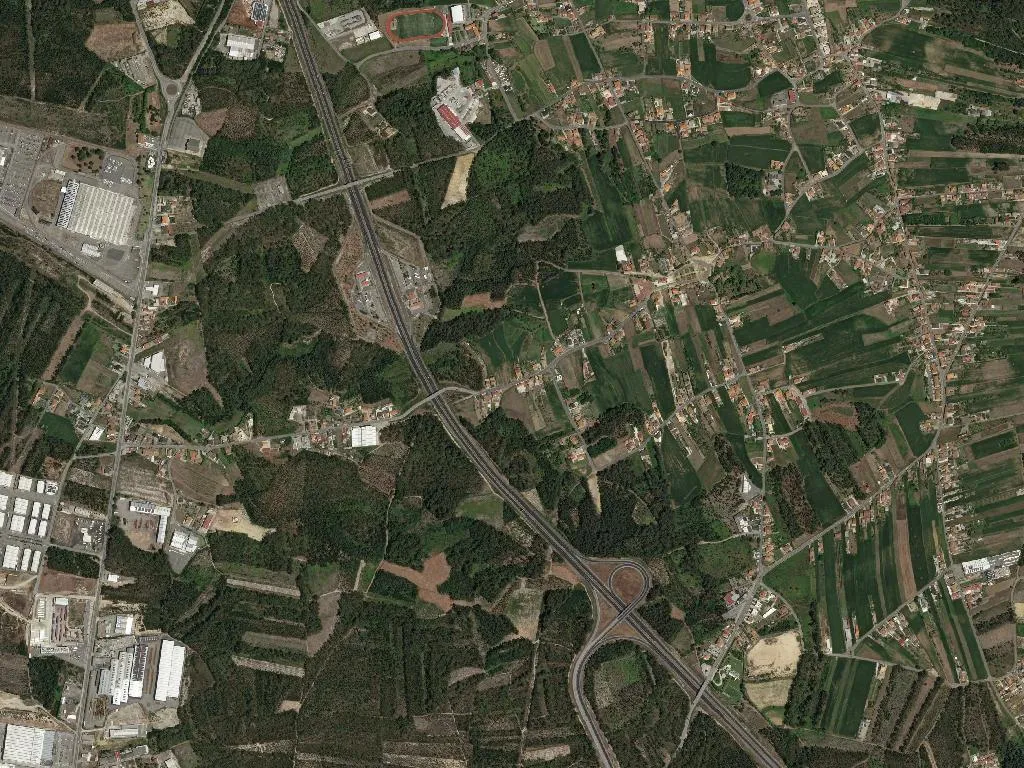
The EN109 unrolls like a tape measure across the coastal plain. No hairpin announces the parish boundary, no signpost promises a vista – only the Atlantic sky thickening from pewter to bruised pearl as you leave Ovar’s outskirts and the tiled roofs of Arada begin. At 62 m above sea level the land is so level that the horizon appears to hinge on the next cow grid, and the first sound that reaches the window is not surf but the soft slap of slippers on asphalt: Dona Rosa heading to the padaria at seven sharp, tray balanced on her hip, while Sr Joaquim’s Bobi gives a half-hearted bark from behind the gate.
A weave that refuses to thin
Seven thousand three hundred and fifty-eight souls are spread across fifteen square kilometres here, a density that startles anyone expecting Portugal’s interior emptiness. Antonio, 83, still calculates his fields in ox-hours rather than hectares and can tell you which plot belongs to which grand-daughter by the colour of the maize. The parish breathes through Café O Parque: schoolchildren surge in at four, grandfathers have occupied the Formica tables since nine, and on Mondays the back kitchen issues the thud of ladles against iron pots – Dona Lurdes’s rancho, a beans-and-pork stew that finishes by 1 p.m. because the bowls run out. Credit is still extended at the corner grocery: “Pay when you can,” smiles Amélia, who has stood behind the same counter since 1978, slicing chouriço with a blade she sharpens on the doorstep.
The pilgrims’ corridor
The coastal variant of the Camino de Santiago cuts straight through the parish, but residents simply call it “the path”. Walkers appear with scallop shells swinging, asking for the albergue – a yellow-walled house before the stone cross where Ana’s mother leaves out bread stuffed with spicy sausage on hot days. There are no way-marking arrows, only field workers who point: “Keep going till you see Tia Albertina’s speckled cow.” The albergue offers a chenille-covered double bed and, if Manuel has lit his backyard brazier, the drift of grilled sardines through the mosquito screen.
A taste that comes with papers
Tasquinha da Amélia – actually run by her daughter Fátima – serves Carne Marinhoa, a DOP beef from the farm two kilometres away. The animal is slaughtered on Friday; by Monday the last steak is gone. The flavour carries salt-marsh pasture, but also Fátima’s slow-fried garlic and bay from the tree outside the door. Dessert is not the tourist-boxed ovos moles; it is the same sweet served on a chipped plate, the wafer cracked open to release yolk-thick custard that sticks to molars. Ask for leite-creme and you must order before noon – Fátima will only make it with milk that arrived that dawn, “not the stuff from a carton”.
Geography without spectacle
Arada will never make a postcard. Yet on St Martin’s Day, when the low November sun strikes the church façade, the whitewash turns bullion-gold and the whole square feels briefly transplanted from the Minho. The plain is so flat that the three-o’clock summer wind lifts red dust into kitchens, which is why shutters are painted the same arsenic-green my grandmother called “wind-breakers”. There is no mountain, only the Mogo mound where teenagers cycle and, on procession day, bonfires are lit visible from Esmoriz. My father claimed the light here belonged “to someone who looks for the sea without seeing it”; it scuds across roof-tiles and makes the granite slabs glitter like salt crystals.
The everyday as material
Arada is not a destination you tick off; it is a place you pass through, and if you pay attention you learn how a dense, ageing parish organises itself on Portugal’s northern littoral. Logistics are simple: leave the A29 at Ovar, follow signs for Cortegaça, turn left at the cemetery roundabout where a faded São João banner flaps all year. The only hazard is Celestino’s dog, tethered and harmless. Crowds materialise only on marchas night, when the primary-school playground hosts the brass-band girls dancing to “Porto Sentido”. Otherwise you find a functioning parish that feeds itself: corn bread still baked in Sr Aníbal’s wood oven every Wednesday, the smell of fermentation drifting three streets; backyard allotments whose lettuces travel no farther than the café salad; ovos moles made in kitchens rather than factories.
As the evening humidity rises from the soil and the air acquires the saline weight of the invisible ocean, Arada settles into a particular silence – not abandonment but the hush of a house where everyone has already gone indoors. Only the scent of damp earth remains, the television news murmuring behind shutters, and somewhere the dry snap of a wafer as someone in the kitchen breaks the last ovos mole before bed.