Full article about Cortegaça: Where Dawn’s Bell Splinters the Pines
Salt, pine-sap and woodsmoke ride the Atlantic wind into this Ovar village.
Hide article Read full article
The Bell That Splinters the Morning
The bell of São João Baptista doesn’t ring – it detonates. At dawn its bronze ricochets through the pines, fractures into shards of sound and dissolves somewhere above the dunes. A westerly then drags in the iodine scorch of the Atlantic and the singed-resin breath of Sorespa’s wood-fired kilns. Cortegaça is taken in through the nose long before the eyes open: first the brine, then the drifting cauliflower fields that in May look like grounded cumulus, finally the low vines my uncle still prunes the way his father did – hip-slung apron, pruning knife flicking like a fish knife.
Bark and Memory
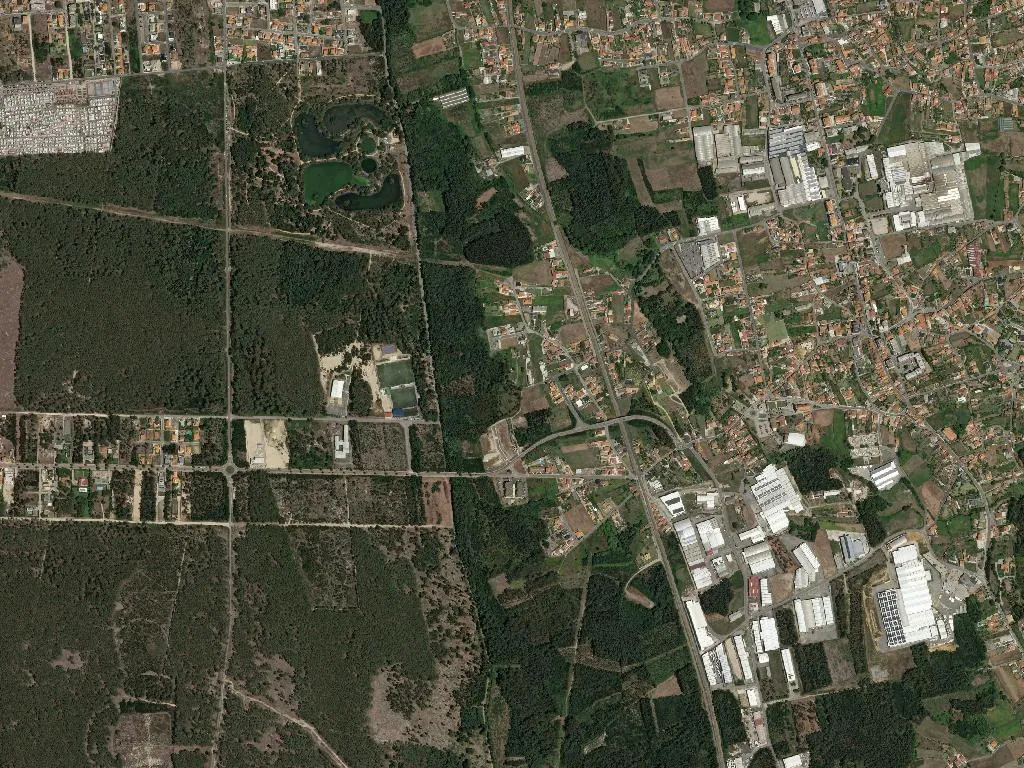
They say the parish takes its name from green cork, yet not one cork oak remains. What endures are the mute pyramids of stripped bark once stacked inside the Espinho factory before it shuttered, and the rasp of the hand-saw that still scores the memory of anyone over sixty. The settlement is older than Portugal’s borders: a 1278 charter sketches the same rectangle mapped today – the Ria de Aveiro at its back, the ocean at its face, and in between the alluvial plain that still feeds whoever stays. Mother Church grew in stutters: a Romanesque nave here, a Manueline knot there, nineteenth-century plaster flaking like old skin. Inside, the limestone is waxed by four centuries of knee-work; babies once hoisted for the seven-o’clock mass now arrive as grandparents with the next batch balanced on their hips.
Between Allotment and Atlantic
Approach by the Caminho da Costa and you don’t need signposts: follow the fug of scalded milk escaping kitchen windows at six, or the convoy of bicycles laden with river-reed cut for basket weavers in Ovar. The beach appears abruptly after the last wind-hooked pine – the same tree fishermen use as a transit when launching their “cascaís” skiffs through the surf. The sand is sifted fine but hides ice-cold pebbles in January; the sea is no picnic, yet it respects anyone who can count the seconds between sets. On weekdays you hear only gulls and the creak of secreted surfboards that local teenagers stash in the undergrowth, hidden from parents who’d rather they studied.
A Counter Lunch in Blue and White
At Gloria’s grocery you still buy by the slice. Ask for “a bit of chanfana” and she carves goat stew by eye, wraps it in butcher’s paper and tucks in a sprig of parsley for luck. Fish arrives late afternoon in polystyrene, but the prize swims in Zé Manel’s net: silver eels that knot themselves, sea-bass whose gills still pump brine. He beaches his boat on the slip at Wednesday and Friday dusk. For pudding there are ovos moles from Dona Alda, pressed from two wooden spoons into rice-paper shells while the rest of the world is still asleep and fetching eggs from her brother’s farm. Lunch means a blue plastic table, the hourly news on TSF, and a tumbler of vinho verde that warms the throat just enough for the neighbour to hum a fado under his breath.
Nine-Thirty Curtain
Half-past nine, the bell fires once – a single, curt shot that signals the day has closed. Lights in the low houses click on in sequence, projecting rectangles of gold onto sand roads still warm from the sun. Pine smoke mingles with hearth smoke and the green snap of leftover parsley on the doorstep. Out beyond the dunes the Atlantic keeps grinding its teeth, but no one sees it now; they simply feel it – the village and the sea sharing the same slow lung.