Full article about Maceda: Where Cooperage Meets the Atlantic
From barrel-scented lanes to pine-scented dunes, Maceda blends craft, chapel and empty surf.
Hide article Read full article
The Sunday Market's Last Breath
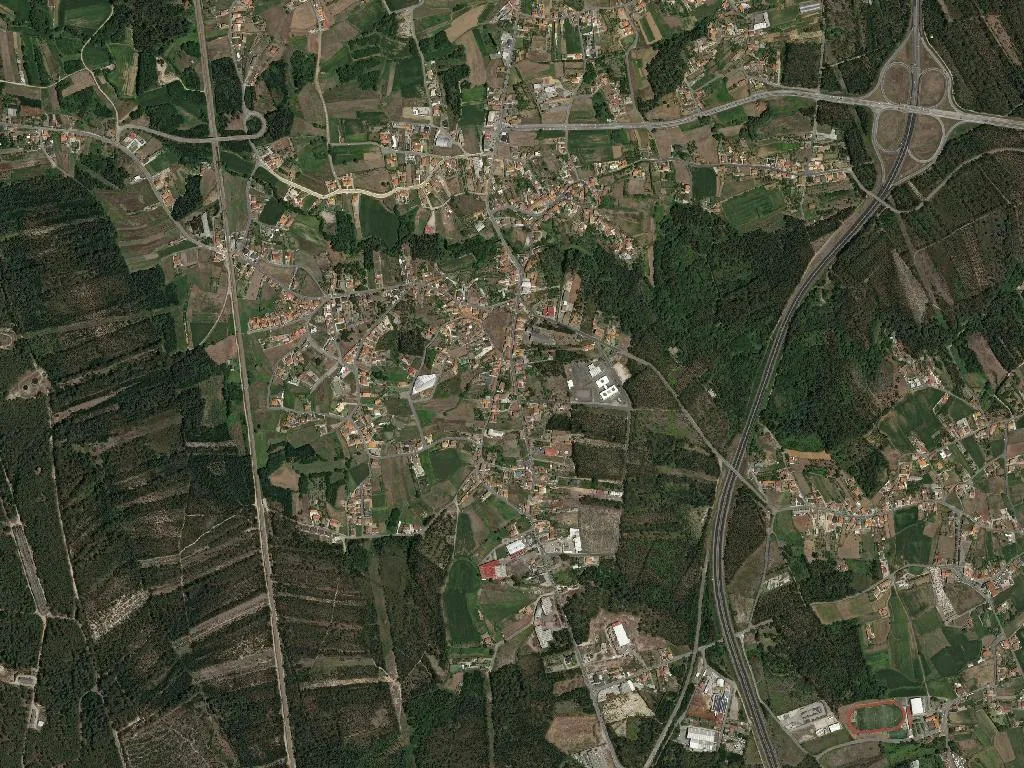
By half past eleven the weekly market is already folding itself away. Wooden stalls, still slick from the hose-down, hold only shredded cabbage leaves and the metallic sting of wet earth colliding with Atlantic brine. Maceda exhales in two time signatures: inland barnyard and coastal swell, pine resin and salt spray, Monday-morning lathe and Sunday-afternoon plaza. The parish slides almost imperceptibly from 35 m above sea level to the dune line where the ocean keeps its own relentless tempo.
Wood, Iron and Propeller Blades
In the early 1900s this was barrel country. Cooperages occupied entire streets; the air rang with mallets on chestnut staves and the sweet-sharp perfume of steamed timber. That acoustic survives in the modest Ethnographic Museum, where adzes and croze irons rest under glass like surgical instruments waiting for the next incision. Less expected is the neighbouring Air Museum (AM1) installed in a decommissioned RAF satellite field: Portuguese aviation from canvas-and-wire biplanes to sleek Alpha Jets parked on the same tarmac where Wellington bombers once took off for North Atlantic patrol. One hangar smells of aviation fuel, the other of fresh-sawn oak; between them you can trace the jump from hand-tooled casks to aluminium fuselages.
São Pedro’s parish church wears its history in patchwork—Gothic ribs, Manueline doorframe, Baroque bell-cote—while the tiny Chapel of São Geraldo keeps vigil over potato fields. At the crossroads outside town a stone crucifix marks the Coastal Way of St James; boot studs still chip the granite as modern pilgrims cut north toward Vigo.
Between Lagoon and Forest
Praia de São Pedro de Maceda is no crowd magnet. A tunnel of maritime pines delivers you to a three-kilometre sweep of bronze sand where the only queue is formed by cresting Atlantic lines. Surfers wax boards in the car park; walkers pick up myrrh-scented pine cones to keep the salt at bay. In July the market relocates here—dried-octopus stalls, wickerwork, jars of eel stew destined for campers’ stoves. The Ria de Aveiro lies just inland, its brackish breath flavouring the local caldeirada and the rice-heavy cataplana hauled from muddy channels at nearby Torreira.
Beef arrives under the Carne Marinhoa DOP seal—dark, grass-fed animals left to graze the marshy commons. For pudding, wooden trays of ovos moles—conventual egg-yolk sweets pressed into rice-paper nautical shapes—dissolve on the tongue like communion wafers. Maceda grows no vines, yet sommeliers from nearby Bairrada appear at weekend barbecues with bottle-aged baga: high-acid reds that slice through the fat of slow-roast brisket with surgical grace.
Drums at Dusk
The local folk-dance troupe still steps out viras and corridinhos at summer arraiais, embroidered shawls flicking in time with accordion riffs. When the Orquestra de Percussão “Rufinos & Rufinas” parades, bombos the size of wine barrels send a heartbeat down narrow lanes that rattles café windows. With only 3,380 residents—792 of them over 65—the parish can’t sustain flamboyant saints’ processions, so culture is stitched into smaller gatherings: sea-swim relays in August, a November screen-printing workshop inside the old cooperage.
Dusk closes in. Market boards are stacked, wetsuits drip from veranda rails, and wood-smoke drifts across the rooftops to meet the Atlantic onshore. Somewhere a hammer strikes metal—not to bend staves, but to mend a trailer hitch. The pitch is identical to a cooper’s mallet, a reminder that Maceda keeps time with its own tools, long after the barrels have rolled away.