Full article about São João, Ovar: pine-scented parish of salt and silence
Between Ria de Aveiro’s briny mist and resinous pines, São João breathes slow, eel-rich days.
Hide article Read full article
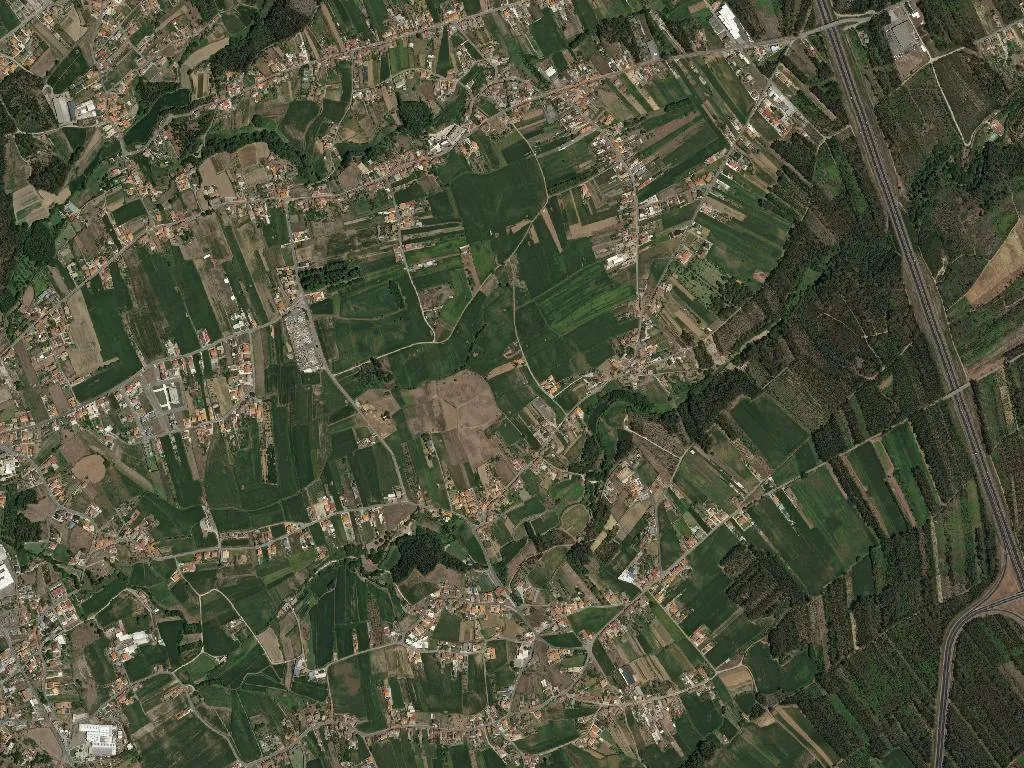
The dawn air carries two notes that refuse to blend: briny vapour drifting up from the Ria de Aveiro and the hot resin of maritime pines. Between them, the mist simply tilts across the fields, in no hurry at all. São João wakes like this—unhurried, with a tractor grumbling somewhere beyond the eucalyptus line and irrigation water gossiping down the furrows as if calling on a neighbour.
Statisticians claim 7,358 souls, yet the streets feel half-empty. Fields are measured in hectares, not metres; houses stand far enough apart to inhale; waist-high walls exist for elbows, not privacy. Density is a spreadsheet fantasy—here, silence is the closest neighbour.
The church that sets the compass
Igreja de São João Baptista sits exactly where it should: dead centre. Around it the land arranges itself like a dining table—everyone knows which chair is theirs. The façade mixes Manueline window tracery with later Baroque excess much as a hostess layers mismatched lace napkins: the combination shouldn’t work, yet it does. The granite calvary steps are scooped and polished like tavern thresholds—they have greeted tired hands, bent knees, endless conversations.
Beside it, the fifteenth-century Capela da Misericórdia was built to endure, not impress. Step inside and the temperature drops to lemon-sorbet level. In the half-light you are blind for a second, the way you lose vision walking from midsummer glare into a café; then the essentials appear—azulejo panels, a solitary lamp, the faint tang of beeswax.
Down the surrounding lanes, manor houses hold their ground. Their timber doors are cracked like day-old bread, yet the locks still turn. Balconies occasionally display a line of sun-bleached sheets—the only semaphore that life continues behind the shutters.
Salt, eels and convent sugar
The estuary is the parish larder. Eel stew is simmered over a low flame with coin-thick potato slices while the soffritto takes charge of the kitchen the way an anecdote commandeers conversation. At festas, seafood rice and lamb bread stew are non-negotiables—every family guards its own spice ratio, but all agree the wine must be Bairrada red, sharp enough to slice through fat.
The beef comes from Marinhoa cattle grazing among the reeds—animals that live better than many humans. The flavour is of time taken, not forced. Dessert is equally territorial: ovos moles, the thin sugar-casings shaped like cockle-shells, fish, little boats—dissolving on the tongue like a promise of further festivities.
The plain that walks north
São João lies on the coastal variant of the Camino. Pilgrims glance at the pancake-flat landscape and assume it is effortless. They forget the sidewind that bullies every step and the sun that turns tarmac into a skillet when shade runs out. Nine private houses offer beds—modest, but enough. Anyone needing greater comfort detours 3 km east to Ovar proper; you can walk, cycle or drive, only the walkers truly read the land.
Away from the Camino, dirt tracks slip down to the ria. There are no interpretation boards or rangers—just earth, water and middle-aged herons bickering over perch. Tide rises, tide retreats, teaching whoever listens.
A parish between generations
Here the old outnumber the young. By nine o’clock the church benches are occupied by bereted men whose sentences move at the speed of people with nothing left to prove. At five the primary-school cyclists arrive and ownership changes hands—human high tide.
The annual São João party still happens—no licence application, no printed programme, only collective will. The Baptist gives his name to the parish and to an identity that refuses to ask permission.
At dusk the mist returns, the light lowers its voice. The only sound is water moving—source invisible, presence unmistakable. The ria need not be seen to be felt; its murmur is what stays with you long after you leave.