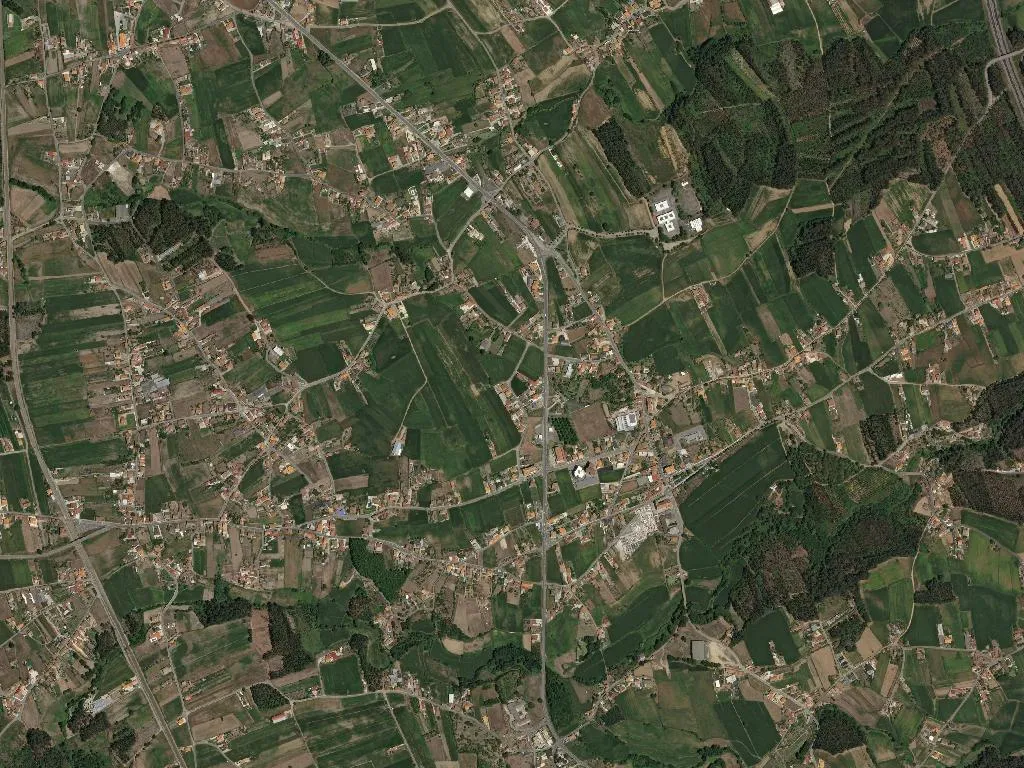
Full article about Válega: stone village that built Lisbon
Quarries silent, schist cottages glow; eel stew & rockets in Ovar’s pilgrim hamlet
Hide article Read full article
Válega: where stone once left the village
A eucalyptus branch cracks. Then the hush of water—thin streams sliding towards the Antuã river. Válega sits only 33 m above sea level, yet the air feels older: loam, sawdust, wet slate.
The stone that built Lisbon
From the 1600s onwards Válega’s masons loaded schist and granite onto ox-carts bound for Lisbon’s waterfront, Porto’s townhouses and Coimbra university wings. The quarries are quiet now; what remains is domestic, not museum-grade—schist walls braced with timber, roofs the colour of storm clouds. Inside São Vicente church an 18th-century gilded retable glints against plain whitewash; three kilometres away, the tiny chapel of Nossa Senhora da Saúde rises straight from the wheat like a stone afterthought.
September smells of candlewax and gunpowder
On the first Sunday after 8 September the parish carries its patron to the chapel across dirt tracks. Rockets arc overhead, roast kid turns on spits, accordions compete with the bells. January brings São Vicente’s own vigil and a winter pig-killing; October’s “Witches’ Night” draws costume-clad teenagers from as far as Espinho.
Eel stew, egg-yolk sweets and plateau beef
Seventeen kilometres west the Aveiro lagoon delivers glass eels and coral-pink prawns; from the Beiras interior comes Leitão da Bairrada and slow-matured Carne Marinhoa DOP. Local restaurants serve both on the same white-clothed table. Finish with ovos moles—delicate lace-like wafers welded with cinnamon-scented yolk—and a herb-fire aguardente that burns like liquid thyme.
Wetlands, wine presses and the coastal Way
Válega lies inside the EU’s Natura 2000 network; the streams breed emerald dragonflies and purple heron all year. A way-marked trail climbs Monte do Vale for views over abandoned vineyards and the Antuã’s ox-bow. Half-collapsed stone lagares—where farmers once trod grapes—dot the fields. The village is an official stage on the Portuguese Coastal Camino; the nearest hostel is in Ovar, the lagoon put-in a fifteen-minute drive for anyone with a kayak or a rented moliceiro boat.
What lingers
When the fog lifts, the water keeps talking—a low, steady gossip as it finds its way to the sea.