Full article about Argoncilhe’s Fogaceiras: cinnamon-scented crowns on heads
White-clad girls parade edible crowns through clay-earth lanes where Manueline granite still stands.
Hide article Read full article
The scent arrives first: cinnamon, lemon zest and 500 years of panic
Cinnamon and lemon zest leak through the warped door of Padaria Central at 7.30 a.m., roll across the cobbles of Rua Direita and stop the January cold in its tracks. Inside, the ovens have been alight since five; outside, the thermometer hovers at 6 °C and the rising steam from trays of golden dough makes a ghost-brief fog before dissolving into the Atlantic sky. Argoncilhe does not merely bake sweet bread in winter—it exhales it. One weekend a year the entire parish smells of fogaça, and everything else—clay soil, granite manor house, parish chronicle—arranges itself around that fact.
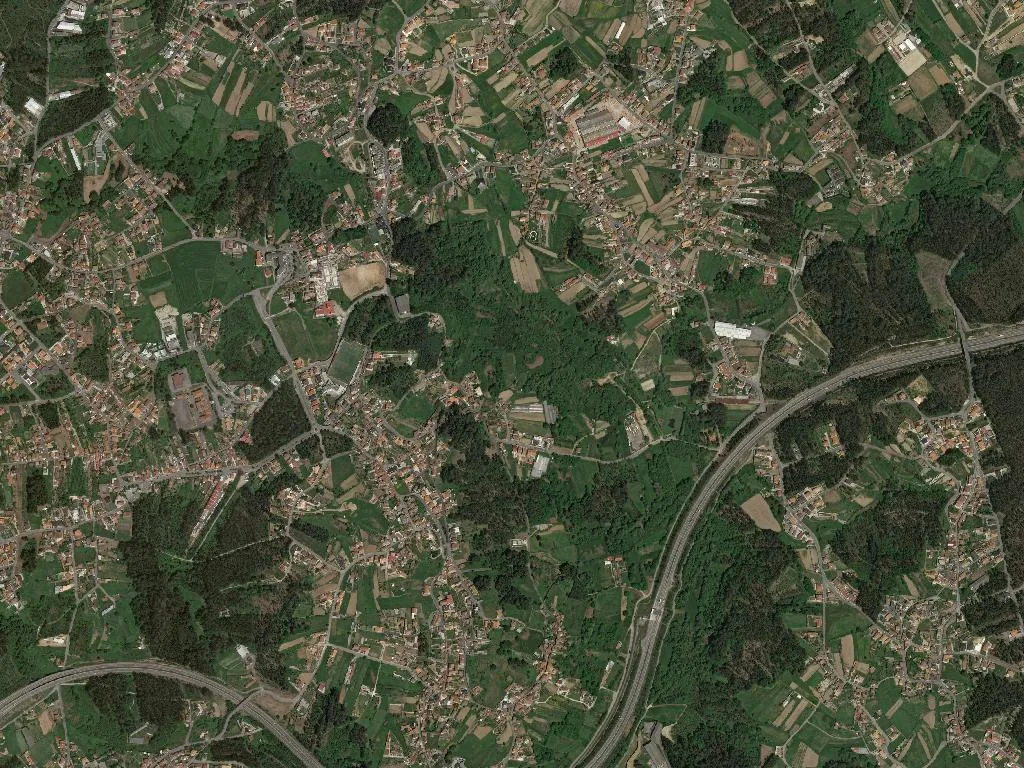
We are 135 m above sea level on a ripple of dark clay that gave the place its Roman name, argoncillus. After rain the earth is the colour of wet terracotta; under a low winter sun it dries to burnt orange. On this stubborn plate, 8,181 people are stacked at almost a thousand per km², yet cocks still crow at dawn and neighbours trade eggs across low stone walls.
A pillory, a plague and a baroque martyr
In the microscopic centre the Manueline pillory stands like a granite fist. Granted by D. Manuel I’s 1513 charter, the column is public property now—no ticket desk, no QR code—its twisted ropes and armillary spheres still readable when the light slants. Thirty paces away the parish church of São Sebastião was rebuilt after the 1755 earthquake in restrained baroque; inside, gilded retables swallow the side walls and 18th-century tiles narrate the saint’s martyrdom with comic-strip gusto. Doors open 9 a.m.–5 p.m.; entry is free and the caretaker will switch on the lights if you ask nicely.
White dresses, brass bands and edible crowns
On the last Sunday of January the Festa das Fogaceiras turns those smells into choreography. Dozens of girls in white shift dresses balance two-kilogram crown-shaped loaves on their heads—cinnamon-and-lemon fogaça, protected by a lace doily and pure concentration—and march behind brass bands from the council building to the church. The vow that began it—protection from plague in the 1500s—has relaxed into ritual, but the bread is still IGP-certified and the crowd still parts for the procession as if contagion were only one bad harvest away. The march begins at 2 p.m.; if you want a loaf, queue at the bakery the night before.
August brings the pilgrimage to São Roque: a smaller cortezes up to the 17th-century hilltop chapel where, legend says, a Santiago pilgrim abandoned a statue in 1650. June delivers São João with bonfires that crackle until dawn and concertina-powered circle dances that spill across Rua Direita long after the embers fade.
Clay tracks, maize fields and a forgotten manor
The parish unrolls in gentle waves enclosed by dry-stone walls and cork-dark oak trunks upholstered in moss. The Ul river slides along the southern edge; northwards, the 16th-century tower of Quinta do Castello pokes above treetops like a scene from a forgotten capitulary. The Coastal Camino cuts straight through—no Alpine gradients, just red-earth footpaths that smell of eucalyptus and wet leaves. Detour 15 km east and the Freita ridge hands you a 360-degree view over the Vouga valley from the Pedório lookout.
At table: clay gives way to fire
Local cooking is what happens when granite hills meet pig-farming plains. At O Convite (Rua Direita 45) order the ensopado de borrego, a clay-pot lamb stew thickened with bread and scented with mint; follow it with arroz de cabidela darkened with chicken blood and sharpened with vinegar. Both arrive with corn broa dense enough to moor a boat and a starter caldo verde whose kale is sliced microscopically thin. Carne Arouquesa DOP—blond, long-horned mountain beef—shows up unannounced on most grills. Finish at Pastelaria Central (Praça da República 2) with ovos moles in miniature barrels or a queijada whose pastry flakes like shrapnel.
The improbable balance
What stays with you is the physics: a 14-year-old girl, eyes fixed, spine straight, carrying on her head the edible weight of centuries. Cinnamon drifts through January air, brass rebounds off granite, and for a moment the entire parish—clay, bread, fear, gratitude—balances on one perfectly still braid. When you leave, the scent lingers on your coat like evidence: Argoncilhe has turned survival into something you can break apart and share.