Full article about Arrifana’s ovens fire at dawn for 519-year plague vow
Arrifana, Aveiro: 16th-century plague vow keeps Fogaça ovens blazing, Arouquesa beef sizzling and Atlantic-scented streets perfumed every January
Hide article Read full article
The scent arrives before the sight. A dense plume of baked dough, caramelised sugar and lemon-scented cinnamon slips through cracked-open bakery doors and drifts uphill, mixing with the Atlantic air that has climbed 200 m from the coast. By the time you reach Arrifana’s parish centre the aroma is already settling on coat collars, a morning bulletin that today is proving day.
A vow baked since 1505
Every year, on 20 January, the Feast of São Sebastião turns this commuter dormitory—6,300 souls compressed into five square kilometres—into a single-file procession of white. Women balance IGP-protected Fogaça da Feira on cotton cloths laid across their heads: conical sweet loaves the weight of a newborn, their four snipped “turrets” modelled on the castle keep eight kilometres away in Santa Maria da Feira. The ritual is not folklore for export; it is mortgage insurance against plague, renewed annually since the sixteenth century when the village pledged loaves to the saint in exchange for deliverance. Interruptions are said to have been followed by outbreaks; the vow has not been broken since.
Padaria Silva, open since 1952 on Rua da Igreja, begins mixing at 3 a.m. Eggs, butter, sugar and a rasp of lemon are kneaded, rested, then coaxed into a tapering spiral that will crackle on the outside and stay damp within. By 10 a.m. the first trays emerge; by noon the loaves are sold or pledged, their crusts still too hot to hold without flinching.
Meat that walks downhill
Salt follows sugar. Arrifana sits on a granite ridge that tilts toward the Arouca Geopark; the same altitude that channels ocean cloud also fattens Arouquesa cattle on upland broom. The DOP-certified beef—short-fibred, nutty, veined like marble—reaches Restaurante O Abade within hours of slaughter. Grilled over carvalho (local oak), the steak releases a mineral jus that tastes faintly of gorse flower. Order it rare; the kitchen respects the animal too much to mask its flavour with sauce.
Five square kilometres of neighbourly density
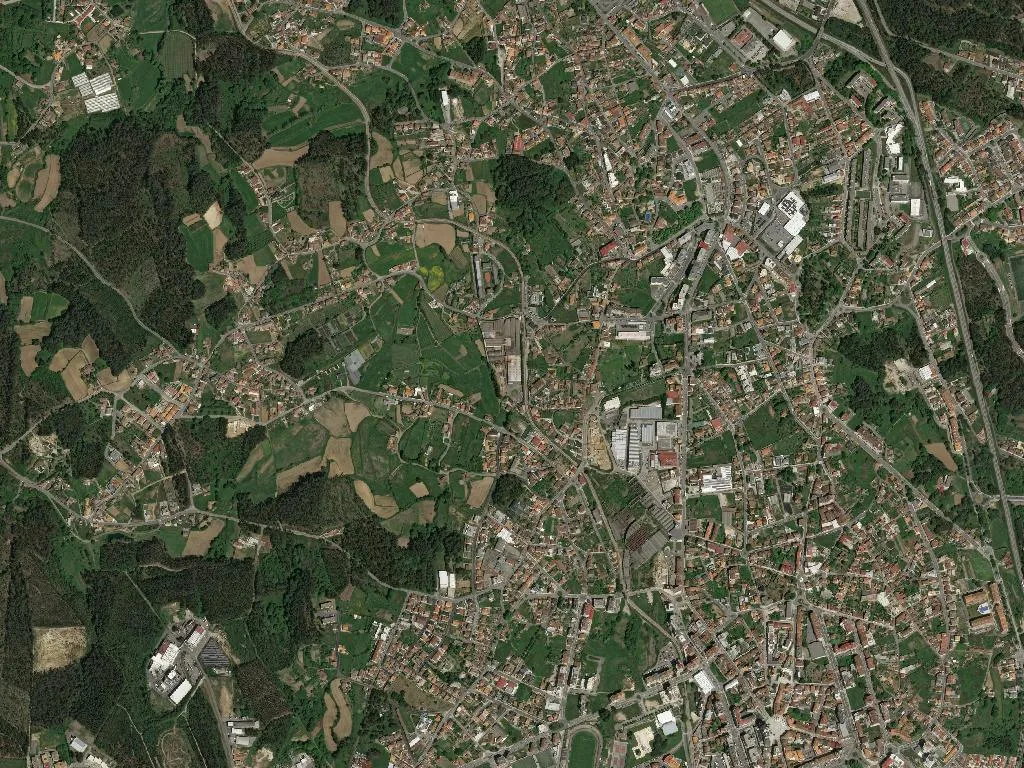
There is no scenic belvedere, no postcard square. Instead, lanes narrow to shoulder width, televisions murmur through open ground-floor windows, and washing lines zig-zag above the pavement like bunting. At 1,200 inhabitants per square kilometre Arrifana is more tightly packed than Porto’s medieval Sé, yet the grid absorbs the surge of relatives who return each January without feeling crowded. The reason is simple: everything happens on foot. You will hear your neighbour’s kettle boil, greet the same postman twice before lunch, and still be offered directions by a woman carrying three loaves and a grandchild.
Accommodation is scarce—two legal lettings, one apartment, one house—so overnight visitors tend to be deliberate rather than accidental. Check-in is a text message and a key left under a ceramic swallow; check-out is the sound of the gate latch behind you.
The weight on the head, the pause in the square
By late afternoon the procession has threaded every street and arrives at the fifteenth-century Matriz de São Tiago. Each woman lowers her loaf onto the churchyard wall; for a beat, no one speaks. The only movement is steam rising from cracked crust into cold January air. Then the bell tolls, cloths are folded, and the crowd exhales into applause. In that hush—between the last footstep and the first clap—Arrifana declares itself: not a backdrop, but a contract between people, flour and a promise kept for half a millennium.