Full article about Lobão’s Dawn: 15,000 Fogaças Rise to a 1654 Plague Vow
Experience Lobão’s 20 January miracle: 15,000 saffron fogaças, Arouquesa beef chanfana and orchards above the Ul valley.
Hide article Read full article
Woodsmoke and the yeasty perfume of rising dough drift through the lanes of Lobão at dawn on 20 January. Ovens fired since four o’clock glow against the Atlantic damp; 120 women move between marble counter and open hearth, palms working a saffron-speckled dough that will become 15,000 fogaças—fat, anise-scented loaves whose recipe has never been written down. By nine the parish bell of São Sebastião swings into action, and the village procession sets off under a sky still the colour of wet slate.
A vow baked into bread
The ritual predates the present church, rebuilt in 1755 after the Lisbon earthquake. A plague that raged through the Ul valley in 1654-56 killed a third of the population; survivors pledged an annual gift of bread to their patron if the deaths ceased. They did, and the promise has been honoured every winter morning since. White-clad fogaçeiras carry the loaves on wicker trays behind the statue of the arrow-pierced saint, past granite crosses carved in 1723, while folk groups from neighbouring Mozelos keep step with drums and gaita pipes. Nothing is performed for visitors; cameras are tolerated, but the choreography belongs to the parish ledger, not Instagram.
Fields, orchards and the taste of Arouquesa
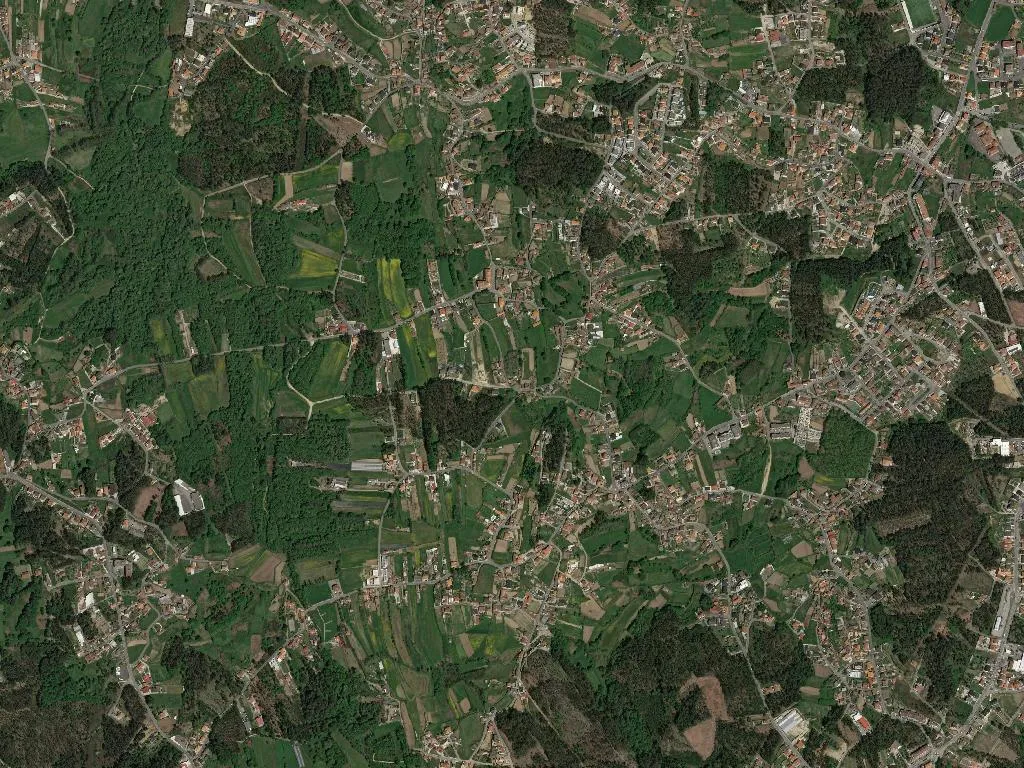
Lobão’s identity is rooted in its 763 ha of softly folded farmland. Chestnut groves occupy 180 ha, their December fall still gathered by hand for the Christmas castanhas; 95 ha of orchards push out white blossom for oranges and late-season peaches. The Ul River micro-basin, at 156 m above sea level, gives just enough humidity for vegetables to thrive without irrigation, supplying the Feira bi-weekly market.
On communal pasture graze caramel-coloured Arouquesa cattle, one of Portugal’s two native DOP beef breeds. The meat, firm and faintly marbled, is slow-cooked in clay pots at O Cantinho restaurant as chanfana—a red-wine braise scented with laurel and garlic—or appears on Sunday tables as cozido, the root-strewn boiled dinner that still governs rural clocks. In 23 registered casas de matança you will find chouriça cured in wine-vinegar, blood sausage bound with rice, and potato farinheira darkened by oak smoke.
Footpaths that remember medieval ox-drovers
There are no signed trails, yet 8.5 km of farm tracks form a quiet circuit south-west of the church. Dry-stone walls of schist and quartz enclose the route; pitosporum hedges exhale resin when the sun climbs. The Souto da Rua do Monte shelters 200-year-old chestnuts whose trunks flare like cathedral buttresses; market gardeners of the Agro-Feirense cooperative hoe between lettuces where the Ul’s rivulets once powered fulling mills. Kingfishers flash between alder roots; after rain the soil smells of peppery tuberaria orchids crushed underfoot. The walk is less a destination than a slowing of pulse—allow 90 minutes and the willingness to be overtaken by a farmer on a quad bike who will still wish you bom caminho.
Stay, eat, carry the scent of anise
Five houses take paying guests: Solar das Andorinhas, a nineteenth-century manor stacked with family azulejos; Casa da Eira, whose threshing-floor terrace looks across to Santa Maria da Feira’s castle keep; and three smaller conversions—grandmother’s bedroom, a mill by the chestnut grove, a granite longhouse with a bread oven still in use. Breakfast will be fogaça sliced while warm, butter melting into the tight crumb, crystallised sugar cracking between teeth. You leave with the faint sweetness of anise on your fingers and the realisation that some maps are drawn in flavour, not ink.
Key data
Population: 2,412
Elevation: 156 m
District: Aveiro
Municipality: Santa Maria da Feira
Stay: five guest houses, no hotels
Eat: O Cantinho (chanfana, Arouquesa beef), Saturday market for fogaça year-round
Walk: 8.5 km unsignposted rural circuit, way-marked by tradition rather than paint