Full article about Mozelos bakes its 519-year plague vow into every fogaça
In Mozelos, Aveiro, villagers still honour a 1505 plague vow with lemon-scented fogaça bread carried by 60 white-clad women every January.
Hide article Read full article
Mozelos: where flour still answers a 519-year-old vow
The scent arrives before the light does. At 03:00, while the rest of the Aveiro district is a quilt of sodium orange and silence, cinnamon and lemon zest slips through the hinge of Padaria Central and drifts down Rua da Igreja. By the time the January fog lifts, Amélia Pereira has already lifted 120 fogaças from the stone deck oven. Each dome is the colour of burnt butter, the exact weight—800 g—of a promise first weighed in 1505.
Plague, penance and the women who walk on bread
Medieval tax rolls recorded the settlement as “Moollos”, from the Latin molendinum—a place with mills. Yet the name the village honours today was written in the parish death ledger: 147 souls lost to plague between August and December 1505. Survivors vowed that if São Sebastião halted the contagion they would offer bread every January. The deaths stopped on 20 January 1506. The villagers kept their side of the bargain, and never stopped.
On the nearest Sunday, 60 Fogaceiras—women selected, not auditioned—balance the risen loaves on white linen cushions and process 400 metres from the chapel of São Sebastião to the mother church. No microphones, no marching band: only the soft percussion of 120 crusts tapping against plaits and the low murmur of the rosary. It is the last procession in Portugal where the Eucharistic gift is literal bread, protected under EU geographical indication since 2003.
The geometry of a loaf that thinks it’s a helmet
Henrique Pereira begins mixing at 02:30 in the bakery his grandfather bought from a retiring compagnon in 1957. Hydration has to sit at 62%, the flour milled from national wheats blended with a 12% dash of Manitoba for elasticity. Three hours of first rise, twelve minutes of machine kneading, a hand-shape over the biga to coax the cone, then 35 minutes at 220°C on the sole of a 1962 Fichet oven. The crust bronzes; the crumb perfumes itself with lemon zest from Quinta do Anjo, 40 km south. By 07:00 the queue is out the door: €4 for a loaf still exhaling steam sharp enough to scald winter gloves.
Granite walls, low enough for gossip
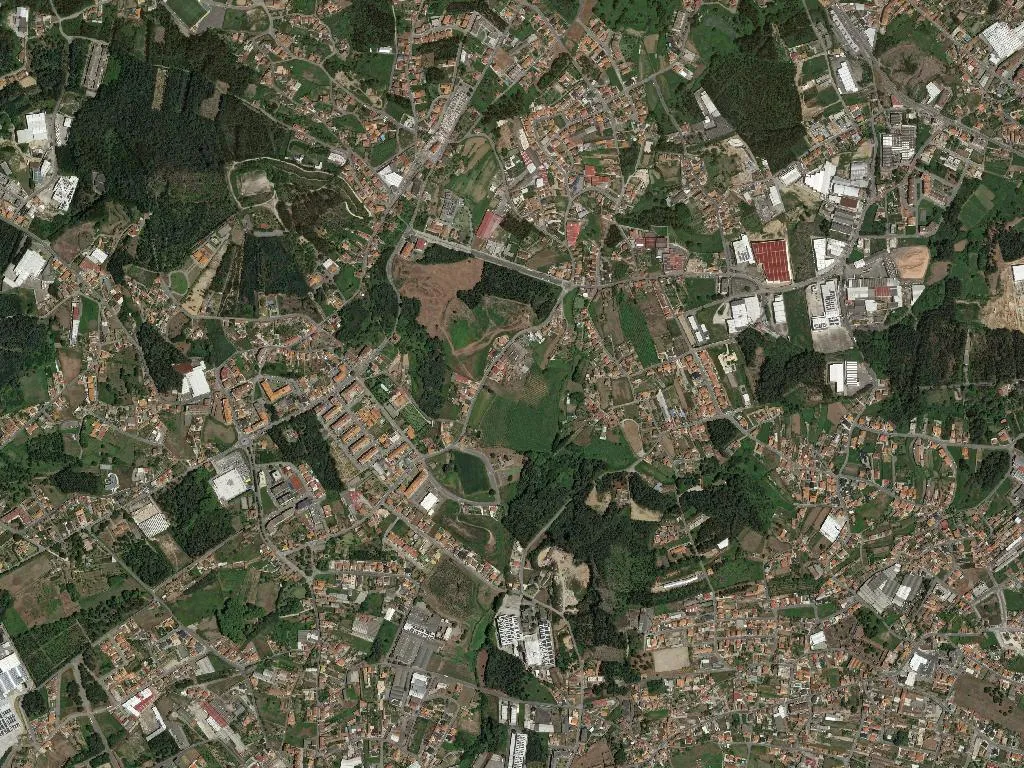
Mozelos covers only 5.84 km² yet packs in 1,256 inhabitants per square kilometre—higher density than Porto’s outer ring. Terraces are separated by thigh-high walls so conversation, and lemon cuttings, pass easily. House No. 47 on Rua de Baixo still carries the 1832 ironwork of Manuel Ferreira & Filhos, the same smiths who shoeed the oxen that hauled stone for the 1623 pillory in Praça da República. After Wednesday mass the men shuffle the granite base into shade and play sueca, a Portuguese forty-card game whose rules are argued more than followed.
Rooms, not hotels; kitchens, not restaurants
There are no hotels—only four guest rooms in Casa da Eira de Cima, where Dona Rosa changes sheets embroidered by daughters who now live in Lyon. Meals happen in kitchens: lamprey rice in season, rojões fried in toucinho fat, and the fogaça itself, torn open while still warm, its crater filled with requeijão and orange blossom honey. The nearest Michelin mention is 18 km away; Mozelos prefers accreditation by grandmother.
When the Sonae chipboard plant blows its 22:00 whistle, the streets empty and the scent of fermenting dough regains sovereignty. Somewhere a timer ticks towards 03:00, when flour and water will be asked, once again, to remember the dead and feed the living.