Full article about Nogueira da Regedoura: where plague bread still rises
Village keeps 1572 vow with saffron fogaceiras and river-cooled air
Hide article Read full article
Nogueira da Regedoura: where flour becomes a vow
The scent arrives first. Fermenting dough, melted butter, caramelised sugar. In the final week of January it drifts from wood-fired chimneys and settles over the parish like weather. No-one needs to check the calendar; the fogaceiras are warming.
The irrigation channel that named the place
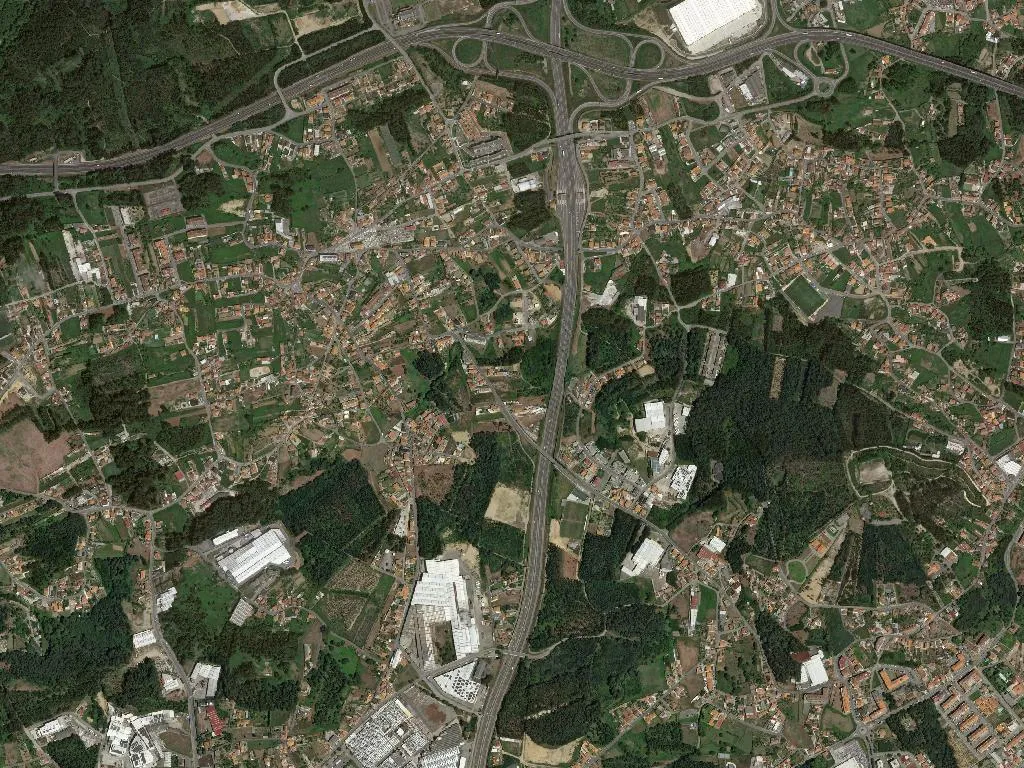
“Regedoura” derives from the regueiras – medieval irrigation ditches that once fed the Ul river. The parish covers barely five square kilometres, yet 5,723 people squeeze in, their back-garden vegetable plots still obeying the old waterlines. You cannot see the Ul from the centre, but you feel it: the air arrives a degree cooler from the valley floor, carrying the green smell of leeks and mint.
A procession born of plague
In 1572 the plague rode south. Desperate women carried sweet loaves in procession to São Sebastião; the deaths stopped. The bargain still stands. On the last Sunday of January the village repeats the gesture, only now thousands watch. This is not folklore for tourists – it is a contracted obligation.
The fogaceiras dress in black, balance the castle-shaped breads – 2 kg, 3 kg, 5 kg – on cotton cloths and walk the 800 m to the 16th-century matriz. A brass band plays funeral marches; the loaves are split while still hot, crust cracking to reveal saffron-yellow crumb laced with wood-smoke.
Dough, oven, hands
The recipe has carried IGP status since 2011: flour, butter, eggs, sugar, water, nothing else. Wood ovens operate year-round at Padaria Central, Pastelaria Regedoura and Casa das Fogaceiras. A loaf costs €6-8 and stays soft for three days if wrapped in linen.
At lunch there is Arouquesa DOP beef – native, slow-matured, almost burgundy in colour. Restaurante O Templo serves it as bitoque: seared minute steak, hand-cut chips, red-bean rice, €12. Café Central’s pernil sandwich (€1.80) is pressed until the crackling shatters.
The valley that reveals itself
From the balcony of the Capela de Santo António the Ul valley unrolls in maize terraces and pasture. A 2 km waymarked trail drops from the churchyard, skirting dry-stone walls and abandoned allotments where water still ticks through stone channels. The river is narrow, deep, fringed with alder; in July its pools turn tea-coloured and children dive from flat granite slabs.
Where to sleep
Only five legal lodgings exist. Apartamento Fogaceiro, above the bakery on Rua da Igreja, has cathedral-ceilinged bedrooms and a kitchen that smells of yeast every dawn, €70. Casa do Rio, two kilometres out, offers three bedrooms and a biological vegetable plot for guests to raid, €90. Both are booked solid the festival weekend; reserve in October.
The sweet weight on the head
By 9 a.m. the fogaceiras form up in Praça da República. The eldest is 82, carrying since she was 14; the youngest, seven, debuts with a 500 g miniature. Between them stand grand-daughters and great-grand-daughters. The dough is heavy. The promise is heavier.