Full article about Pigeiros: Where Fogaceiras Parade Above the Smoke
Granite chapel, sweet-bread vows and wood-oven beef crown this 188 m Feira hamlet.
Hide article Read full article
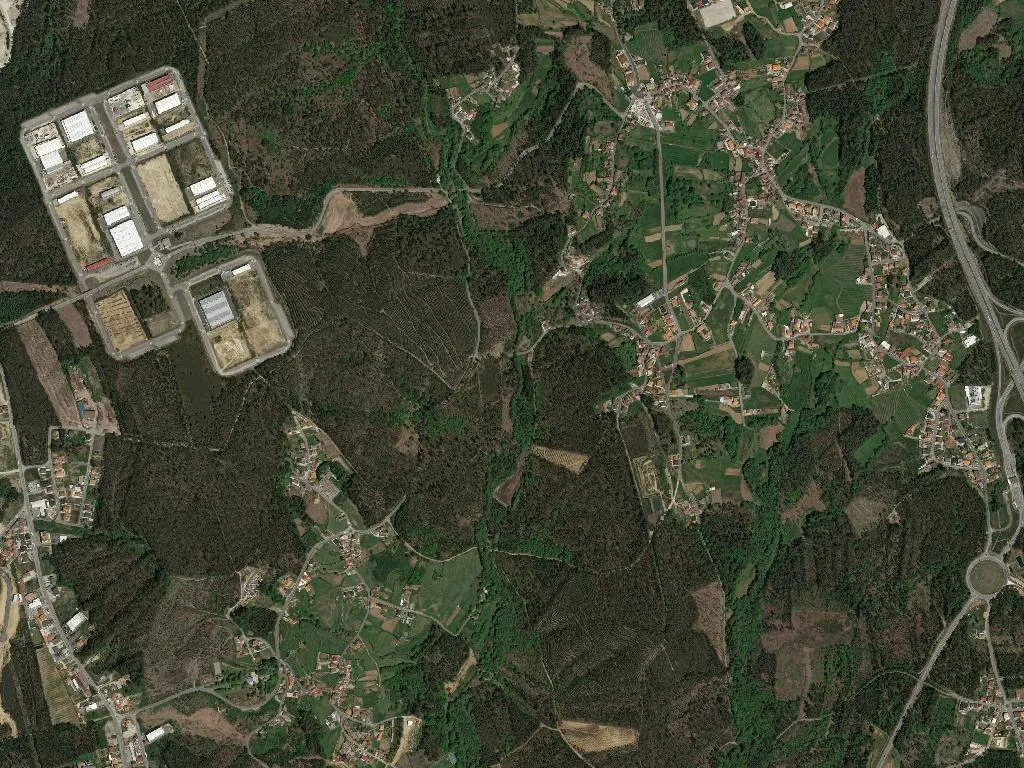
The granite walls press in, their joints furred with moss the colour of oxidised copper. Up here at 188 m the lane climbs sharply, tyres squealing against stone, until Pigeiros suddenly plates itself across the hillside like a broken shard of pottery. Earth and schist set the tempo: in April the fields smell of iron; by October the wind carries wood-smoke and the low thud of someone closing a gate for the night. Ten kilometres south-east of Santa Maria da Feira’s business parks and outlet malls, the hamlet drifts between smallholdings and switchback tracks that braid the slope like unravelling twine.
Stone Memory
Two listed buildings anchor the parish within its 500 hectares. The chapel of São Sebastião, begun in 1726 and protected since 1982, still draws the entire population into its forecourt every 20 January. Whitewash flashes against basalt door-jambs: the same stone once prised from the nearby Serra da Boa Viagem quarries that fed the region’s barns, pig-pens, manor houses. Inside, the single nave is barrel-vaulted with granite so dark it drinks the candlelight.
The day of the saint brings the Festa das Fogaceiras. Women balance fogaças—domed sweet breads swaddled in crimson and gold paper—on their heads, process from the church door to the altar, then wheel back into the square to hand the loaves to neighbours. The ritual predates the 1755 earthquake; the recipe is now safeguarded by a Protected Geographical Indication. Eat a slice and you taste lard, lemon zest, and the fulfilment of a promise made in sickness or grief.
Mountain Beef
Local menus revolve around Carne Arouquesa DOP, beef from the autochthonous cattle that graze the uplands around Arouca. No jus reductions or sous-vide theatrics: at Café Central on Rua do Cemitério the meat is simply roasted in a wood oven until the rim caramelises, then served with potatoes dug that morning and grelos (turnip tops) wilted in olive oil. Drive a kilometre towards Lourosa and O Albertino will stew the same beef in Bairrada red wine, the sauce thick enough to cloak the back of a spoon. Walk any side street in winter and the air is stitched with smoke from domestic fumeiros—oak logs smouldering beneath dangling chouriço loops, insurance against January nights when the Atlantic weather shreds the valley.
Arithmetic of Staying
Census 2021 counted 1,844 souls; 423 are over sixty-five. Children—202 of them—balance the equation, but only just. Density sits at 346 people per km²: enough to keep the bakery profitable, too low to tempt Pret. Streets still carry owners’ names—Rua do José da Padaria, Travessa da Dona Emília—while back-gates open onto strips of cabbage, onion and runner bean, the same triptych grandparents tended under Salazar and never saw reason to change.
Tourism infrastructure begins and ends with Casa da Eira, a two-bedroom granary converted by the town hall in 2019. There are no key boxes or contactless check-ins; the caretaker lives opposite and will lend you a corkscrew. Visitors share the stone bench where old men play sueca each afternoon, sliding cards across the table with the slow precision of apiarists handling frames.
The Weight of Quiet
Dusk tilts light across the walls, stretching every shadow to cathedral length. By 19:30 the bakery gate scrapes shut, Bobi the village dog announces the courier’s departure, and loudspeakers fall silent. No playlist, no projection-mapping, no promise of transformation. Just granite exhaling the day’s heat, soil breathing out its iron scent, and the metronome of your own footsteps on the calcada—proof that places still exist which allow geography, not algorithms, to set the pace.