Full article about Romariz: Dawn Bells Ring Above Vouga’s Oak-Smoke Veil
Granite eaves drip dew as fogaça processions weave between boulder-walled meadows.
Hide article Read full article
The bells of Romariz’s mother church ricochet down a 346-metre ridge, banking off granite eaves still furred with last night’s dew. At dawn the air smells of oak smoke escaping from chimney vents and of moss that has colonised the north-facing roof tiles. Below, the Vouga valley unrolls like a slack ribbon; behind, the uplands of Arouca rise in broken terraces of gorse and schist. You notice the altitude in your lungs before you notice it on a map.
The measure of a parish
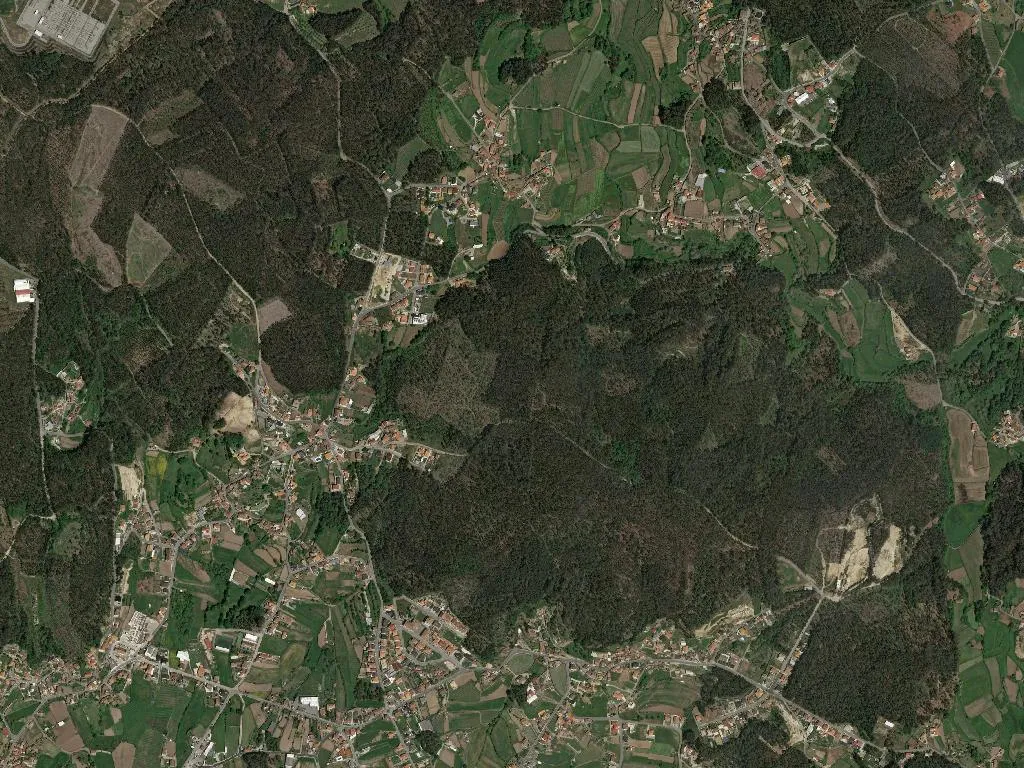
Little more than a thousand hectares are parcelled out here, enough for 2,739 souls and a population density that still allows a nod across the lane—247 neighbours per square kilometre, human spacing that feels almost Edwardian. Houses arrive in loose clusters, linked by short stretches of tarmac that concede to packed earth and then to fields stitched into narrow boulder-walled benches. Colour is seasonal: bottle-green meadows after Christmas, newly-turned umber before spring planting, the sudden white of limewash when someone remembers the facade.
Demography tilts senior. Pensioners outnumber teenagers by roughly five to two, a ratio legible in the daytime silence, in vegetable beds hoed with the patience of practice, in conversations that pause while lungs, not phones, are consulted. Yet the cycles persist: potatoes follow rye, the parish council still prints the festa schedule on a single A4 sheet, and no one needs an app to know when the first cuckoo calls.
Stone and ceremony
Two monuments enjoy Public Interest status, granite anchors against forgetting. Their blocks were split and chiselled before Portugal had a republic; lintels carry the mason’s mark, doors are thick planks of chestnut that have warped just enough to sing when they move. Inside, the hush is almost viscous, amplifying the slow groan of floorboards under your weight.
Each January the Festa das Fogaçeiras reintroduces velocity. Girls in white carry tiered trays of fogaça—sweet, crown-shaped bread glazed with sugar and scarlet ribbon—through streets that suddenly smell of cinnamon and woodsmoke. The loaves are stamped with the Feira IGP seal, but the real certification is older: a procession that once petitioned Saint Sebastian to spare the village from plague and now simply insists that winter will end.
What the land tastes like
Order a plate of Carne Arouquesa and you are eating the hillside. The cattle graze above 400 m on herb-scented pastures scattered with holm oak; the meat cures in village smokehouses fuelled by the same timber, emerging the colour of rusted garnet with a fibre that only long slicing respects. If you arrive between November and March, ask whether anyone is making rojões de tabuleiro—unadvertised tray-baked pork that materialises when there are guests and time.
Five converted village houses take paying visitors, no two bathrooms identical, Wi-Fi an afterthought. Book through the parish Facebook page or, more reliably, telephone Zé at the mini-market; he will leave eggs still warm on your doorstep and a loaf that began life in his wood-fired oven before you thought of breakfast.
Romariz offers no selfie-moment panorama, no boutique winery. It offers instead the precise weight of rural minutes: stone still cold at ten o’clock, the metallic echo of your own footsteps on uneven calçada, a darkness so complete at midnight that the village dogs sound like distant clocks. Arrive with an uncluttered diary; depart when the bells tell you it is Sunday.