Full article about Sanguedo’s Dawn: Fogaça Steam & Salt Breeze
Watch January’s first dough rise in Sanguedo bakeries while the Festa das Fogaceiras parade rehearse
Hide article Read full article
Smoke and Yeast at Dawn
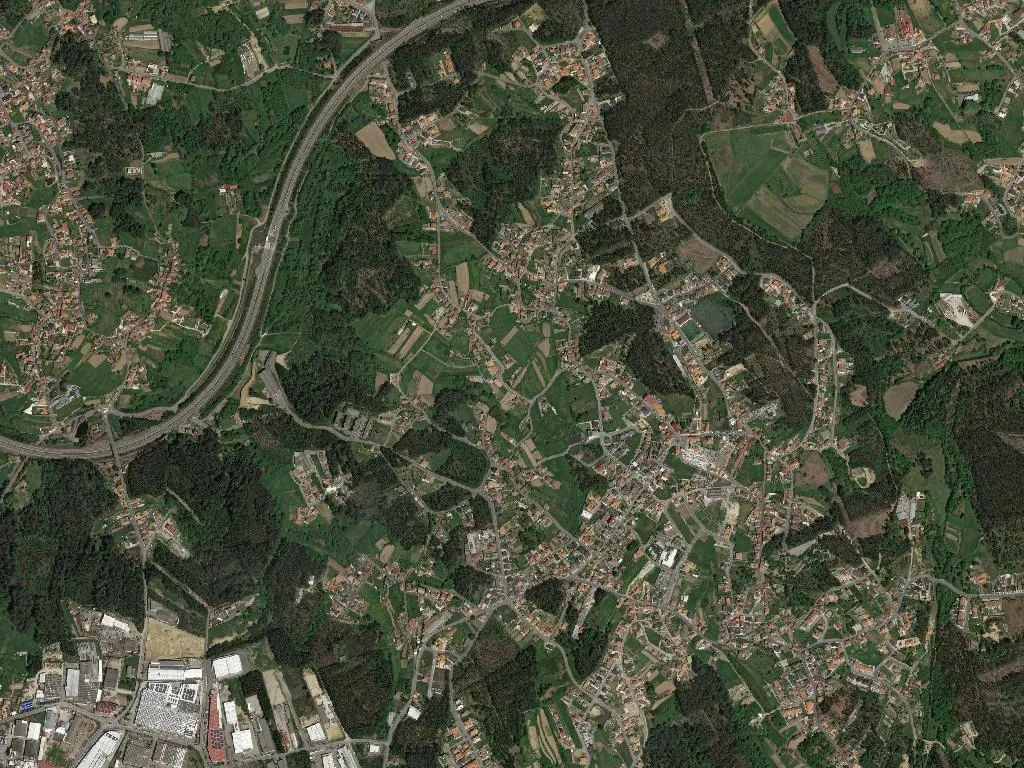
January smoke coils from terracotta chimney pots, sketching pale calligraphy against a pewter sky. By 7 a.m. the first batch of fogaça dough is already climbing the sides of dented steel bowls in Sanguedo’s two village bakeries. The scent – milky, sweet, laced with anise – collides with Atlantic air that has rolled thirty kilometres inland from Aveiro’s lagoon, carrying salt and the faint iodine of seaweed. At 151 m above sea level the parish sits just high enough to catch the breeze, yet low enough for morning mist to pool between granite walls like milk in a saucer.
Fewer than 3,500 souls occupy these 456 hectares, a demographic triangle of 490 under-30s, 736 over-65s and the quietly stretched middle in between. Density is 760 inhabitants per km² – not wilderness, not suburb, but that negotiable Portuguese space where smallholdings still outnumber swimming pools and every second plot keeps a row of vines for house wine.
The Festival That Rewrites the Calendar
January’s final Sunday belongs to São Sebastião and to the Festa das Fogaceiras. At 10 a.m. thirty local girls – white skirts, scarlet sashes – step into the lane balancing wicker trays on starched cloths. Each tray carries a fogaça: a gilded, flower-strewn loaf the size of a steering wheel, its crust glazed to mahogany. The procession began in the sixteenth century after a bubonic wave retreated; the vow made then has become civic DNA.
Protected by IGP status, the Fogaça da Feira is neither cake nor bread but something between: a buttery brioche leavened for twelve hours, shot through with sugar crust and anise seed. Every household swears by its own hydration ratio, its clandestine splash of aguardiente. Break a warm wedge and the crumb steams like a haystack, the sugar grains dissolving first into grit, then into liquor on the tongue. Locals pair it with rusty-red Tinto de Anadia from the cooperative cellar in nearby Lourosa; outsiders usually reach for espresso and silence.
Mountain Pasture, Village Plate
Sanguedo lies just outside the demarcated zone for Arouquesa DOP beef – the blonde, long-horned cattle graze higher up in the Freita and Arada massifs – yet the village is an enthusiastic annex. Every Saturday a refrigerated van descends from the Serra da Freita; by evening the meat is resting on marble slabs in the minimarket. Expect a deep cherry colour, snowflake veins of fat and a faint scent of wild broom. Roast sirloin is Sunday ritual: forty minutes at 180 °C, nothing but salt, garlic and a bay leaf from the backyard tree. The texture is athletic – chew, then reward – releasing a pasture-steeped sweetness that factory breeds never learned.
What the Map Leaves Out
There is no castle, no interpretative centre, no gift shop. The parish church, rebuilt in 1763 after the Lisbon-earthquake cracks, keeps its original Baroque organ but asks for a €1 coin to power the nave lights. Two private homes are licensed for rural letting: both are low-slung granite longhouses with linen-clad beds, citrus-scented wood polish and blackout shutters heavy enough to repel invading Romans.
What you remember instead: the squeak of iron gates at 3 p.m. when school ends; the smell of diesel and wet soil as a tractor turns on the camber; the way winter sun – already low at 4:30 – fires the whitewash to honey, so that every house looks briefly internal-lit.
Stay for 24 hours and someone’s aunt will press a still-warm fogaça into your hands wrapped in a tea-towel embroidered with tiny red cockerels. Eat it slowly; the anise lingers like a signature. You will leave without a postcard, but with the granular sense that places are sometimes measured not in sights, but in bites – and that 3,474 people have just let you taste theirs.