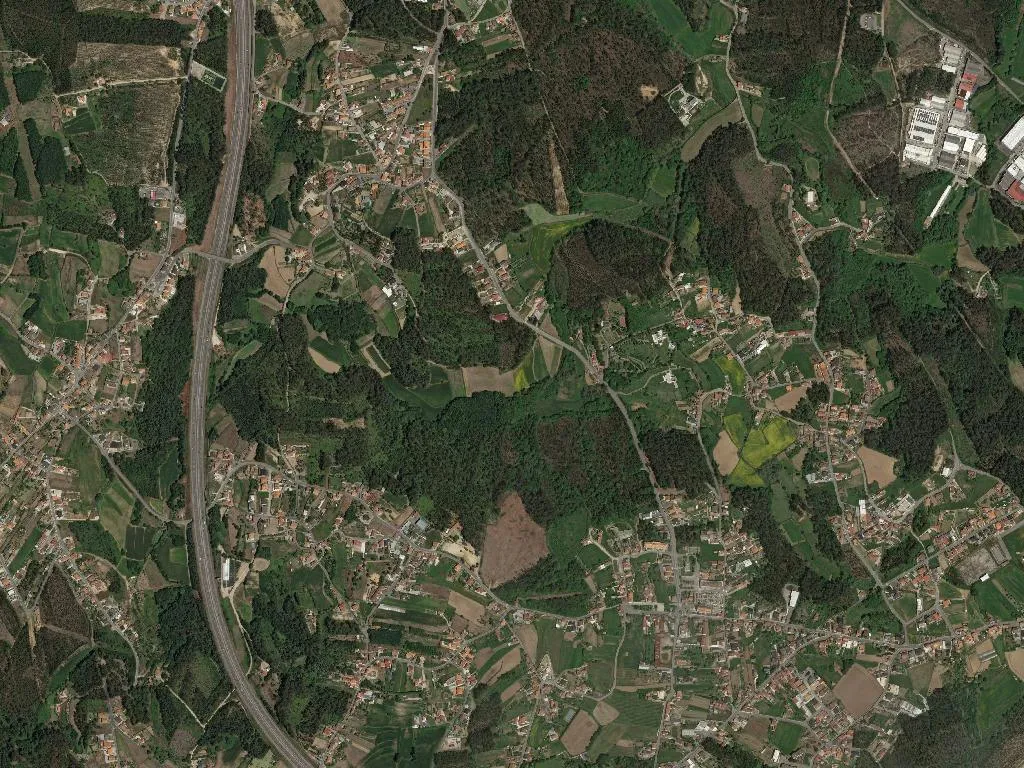
Full article about São Miguel de Souto
Ox-dragged church, oxide soil and Zé Manel’s tavern serving Feira’s sweetest fogaça
Hide article Read full article
The bell that refuses to leave
The church bell strikes three times and stops; it never manages four. The sound doesn’t travel – it simply hangs above the rooftops like a gull that has forgotten the way to the coast. São Miguel de Souto has no fields, only back gardens: Sr Augusto’s where cabbages stand to attention like schoolgirls; Dona Alda’s where a loquat tree has collapsed across the wall and no one rights it because “the hens like the shade”. The soil is oxide-red, gluey on thin soles, and prints its signature on every doorstep – the parish marking whoever arrives.
A church that moved house
The building wasn’t rebuilt; it was dragged. Oxen strained for three days, the bells still inside their timber boxes, groaning with every tug. The new site sits closer to the Feira road where dust leaps up and sticks to windscreens. From the cemetery above, the chapel now looks oversized; the gravestones below read Silva, Silva, Silva, with one blank rectangle waiting for the Silva still mowing his lawn.
Lunch where the napkin melts
There are no restaurants, only Zé Manel’s tavern, open whenever he wakes – ten o’clock, sometimes after two. He serves bitoque steak with a runny-yolked egg and paper napkins that dissolve in the gravy. Sundays bring Carne Arouquesa DOP, carried in on someone’s grandmother’s platter and divided between doorsteps. The fogaça – a tall, flower-pot-shaped cake – is bought still warm from Feira’s bakery and eaten in the car with windows closed so the sugar snow doesn’t take flight. During the Festa das Fogaceiras each January, parents paint small daughters scarlet-cheeked and white-robed; the girls sob because the paper carnations itch. The procession stays on the main road; here you catch only the brass band when the wind turns.
Silence between factory whistles
Quiet has a timetable: four to five, after school buses depart but before the textile mill blows its end-of-shift whistle. Then you notice Sequeira’s kitchen tap dripping, Chico’s dog barking at its own echo, Joaquim’s tractor coughing twice before it catches. Walkers calculate the detour behind Dona Amélia’s barn – the dog is chained yet close enough for you to smell yesterday’s dinner on its breath – or pick the tar lane where loose stones flick skin. As the sun drops, windows light singly, as though the parish were sending fire signals to the sierra that cups it.