Full article about Vale’s Echoing Bells & Bread Parade
São Sebastião’s gilded church, abandoned mills and midnight fogaça bake in Aveiro’s hidden parish
Hide article Read full article
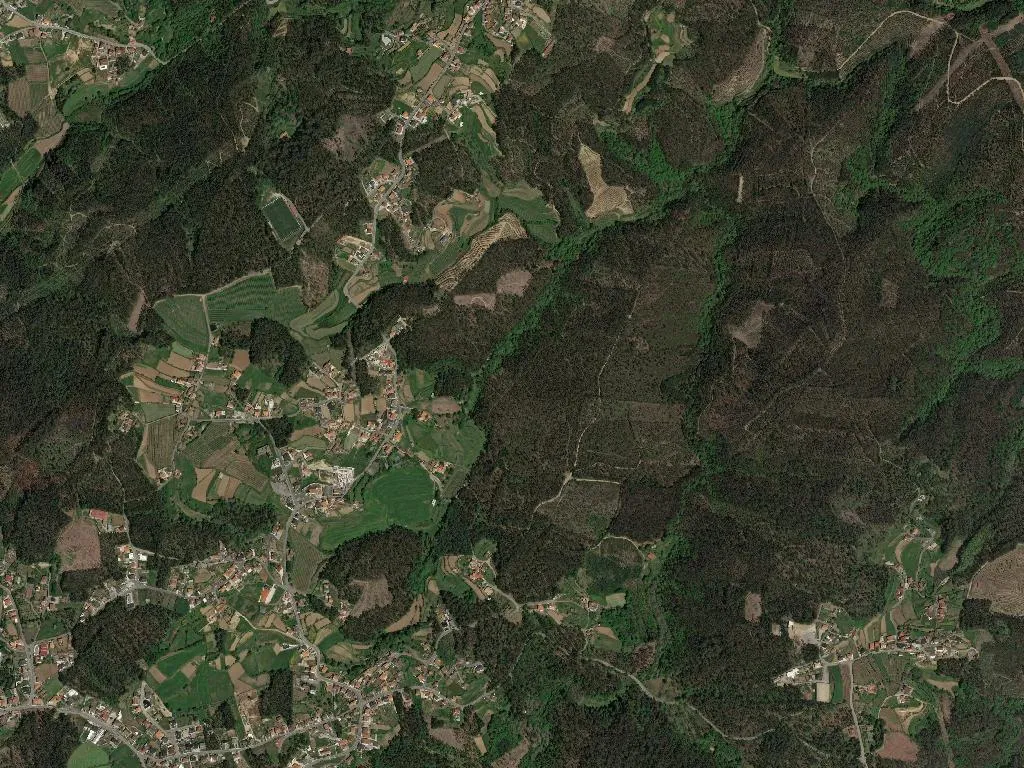
The bell of São Sebastião strikes the hour the way a neighbour knocks—two, three, no urgency. Sound slips down terracotta roofs, rolls across corrugated maize, then dissolves into the Caima valley. At 188 m the land behaves like an un-tucked sheet: every fold hides a stone cattle-shed where Arouquesa cows swivel their lyre-shaped horns and stare as if backpack-toting Germans might appear at any moment.
Stone quarries and too-much gold
The parish church has occupied its ridge since the 1730s, built over a chapel whose foundations even the sacristan can no longer point out. Inside, the gilding is so exuberant the priest seems back-lit. Blue-and-white azulejos show saints shouldering impossible fish, but the commanding presence is Sebastiano himself above the high altar—arrows in fist, expression that says next year will be harder than this one. Every Friday someone still arrives with carnations, trading them for timely rain or children who do not emigrate.
En route you pass three wayside chapels that unlock only on feast days, and a handful of manor houses whose coats of arms have been bleached to ghostly greys by Atlantic northerlies. The water-mills are broken for good: wheels became tavern tables, millstones serve as informal seating, and the old irrigation channels double as tight-ropes for local eight-year-olds.
January smells of burnt butter
Vale dusts off its traditional costume when the calendar is still on its first page. Dough for the fogaça sweet bread is kneaded at midnight so the loaves emerge round as tractor tyres; balancing one on your head is like carrying a surfboard through a crowd—technique and a padded waistcoat save you from a sugar shower. The procession heads down the EN227, priest in front, brass band pumping, visitors Googling “largest communal bread parade” between tweets. Dusk leaves broken fogaça and a glass of loureiro-based vinho verde that the town hall later insists was never officially poured.
What you’ll eat (and what you’ll hear about)
Arrive before lunch and you face a binary choice: sit down to chanfana or listen to someone describe it. The goat is simmered for hours in red wine, clay-pot’s answer to coq au vin, served with dense corn-bread that soaks up the midnight-coloured sauce and, locals swear, cures both hangover and unpaid promises. Fainthearted diners order Arouquesa steak—butter-scented beef from cattle that graze the same slopes you drove up—then finish with bilhóres, ring-shaped fritters that taste like the fun-fair doughnut’s straightforward cousin.
The walk nobody asked for (everybody thanks you for)
Leave the car beside the church, follow the signed loop. Four kilometres of pretending it’s exercise, the real sport is spotting the abandoned byre now upholstered in ivy and the miniature granary on stone stilts that resembles a North-African mosque shrunk in the wash. On the skyline Castelo da Feira poses like a film extra, but the moment that lingers is the hush when the wind shifts and even the maize stops rustling—Vale’s version of a standing ovation.