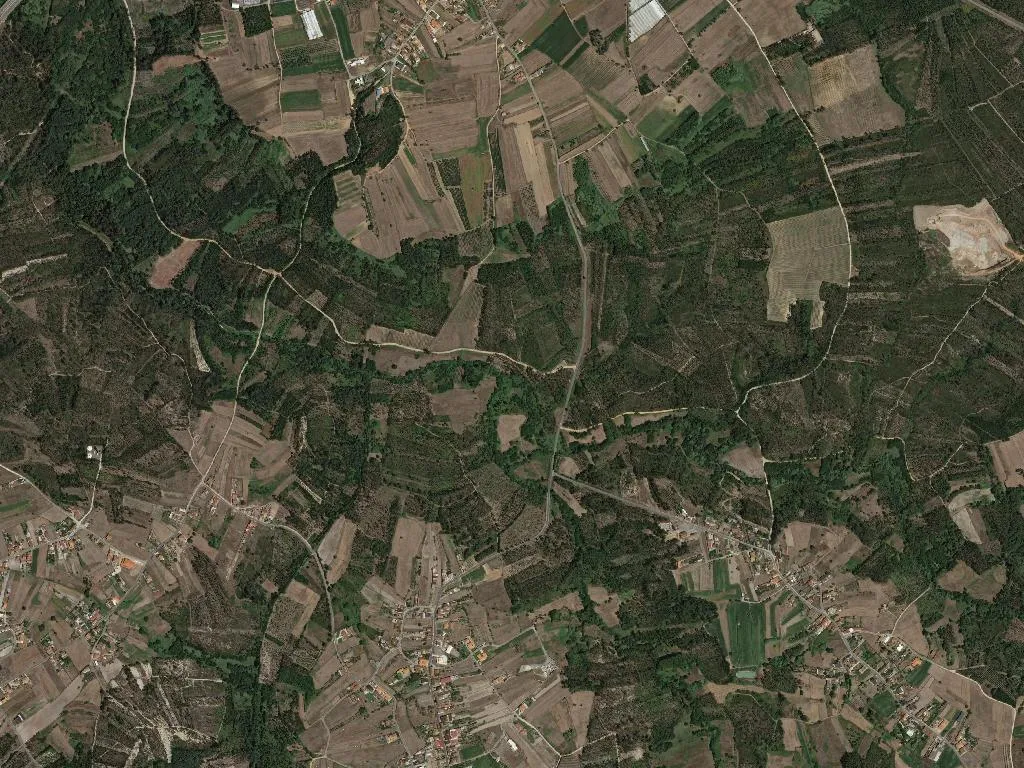
Full article about Ouca: Where Aveiro’s Salt Wind Meets Grandmother Sundays
Ouca village, Aveiro: Atlantic salt on your lips, wood-oven bread in hand, and the Ria’s mirror-bright ditches stretching to infinity
Hide article Read full article
The tarmac into Ouca uncoils between drainage ditches so still they mirror the reeds. Seventeen metres above sea level feels lower: the land has been coaxed from water, inch by inch, by men who left ox-hoof prints in the clay that are still visible if you know where to look. There is no hill to interrupt the horizon, only the faint silver seam of the Ria de Aveiro sliding west and, overhead, gulls that wheel as purposelessly as passing thoughts.
1,750 people are registered here, but that is a weekday figure. On Sundays the census doubles: sons and daughters drive down the A25 from Porto or Lisbon, boots slam on cobbles, and the smell of roast kid leaks from kitchen windows. The rest of the week the village keeps a quieter tempo – the sigh of wooden doors at Café Chiado where João sets the espresso cup on a saucer still hot from the machine (“it cools too fast otherwise”), and the bakery that fires its wood oven only on Fridays, sending out a plume of scorched crust that tastes, to me, of grandmother Sundays.
Between estuary and vineyard
Half a mile west, a low dune hides the Atlantic, yet salt finds its way into every breath. At five o’clock the wind swings onshore and carries iodine and bladder-wrack across the vegetable plots. Turn east and the soil reddens: Baga territory. These are not the postcard terraces of the Douro but pocket-handkerchief plots wedged among eucalyptus, where Zé Mário still ties the canes with strips of palm fibre – “holds against the coast wind, just like my mother did”.
The Coastal Camino cuts through, yet pilgrims rarely linger. They refill plastic bottles at the São Tiago spring and ask how far to Ovar. I tell them it depends: if the rucksack is light they’ll make it by dusk; if they’re carrying the year’s disappointments, they should stop at Gloria’s boarding house in Vagos and eat stewed gizzards for supper.
A diary of water and earth
Weeks begin at six, when a rototiller coughs in the mist. The fields are laid out in narrow strips – winter cabbages, turnip tops, a few late cauliflowers – backed by chicken-wire coops where the birds roost on chestnut perches my father paints annually with linseed oil. August afternoons thicken with the smoke of potato-haulm fires: burn, hoe, rake, then sow the spring greens. The resinous tang lingers in shirt fabric for days.
In the kitchen my mother keeps one heavy pan reserved for eels. She bleeds them on the granite sill, lets them settle in cold water, then fries them in olive oil with garlic and parsley. When guests appear she produces the November chorizo, sliced into coins of paprika-stained wine, and Mr António’s bread – still baked in the communal oven at Oliveira – served hot with salty butter that runs down the wrist.
Where space is still measured in time
By half past seven the sun slips behind the eucalyptus and the crickets clock on. I walk home, headlights brushing my ankles. Adelina is out with the dog; she pauses to say her grandson is off to study engineering in Porto. The car behind us slows, waves, waits until we finish. Here, space is not square metres but the minutes required to greet, to study the sky, to anticipate tomorrow’s light north wind and the soft rain it will bring – weather the fields know by heart.