Full article about Santo André de Vagos
Cycle past stone-pine sentries, sip tannic Baga in red-earth vineyards, taste roast suckling pig.
Hide article Read full article
Pedalling through the 35-metre line
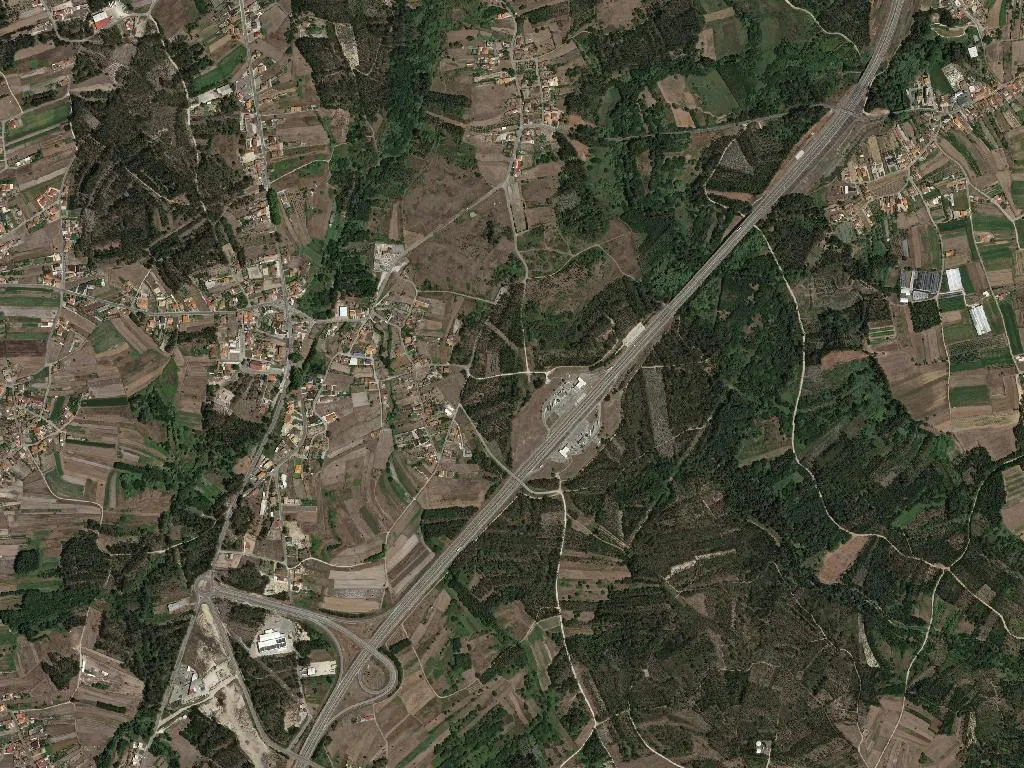
The bicycle tyre whispers on the tarmac that slices across an ocean-level plain. Thirty-five metres above the Atlantic, the air carries the smell of damp topsoil and, if the wind tilts south-westerly, a faint iodine memory of the sea only eight kilometres away. Santo André de Vagos reclines on this low plateau, its vineyards drawn with set-square precision into the red earth of the Bairrada. Stone pines stand at attention along the horizon like bored sentries. Time here is measured by the vineyard calendar and by the occasional flash of a scallop shell stitched to a rucksack: the Portuguese Coastal Camino slips through the parish on its way to Santiago, but most walkers are already day-dreaming of Galicia and never realise they have passed through at all.
Between the rows
Covering 1,269 hectares—roughly the footprint of a medium-sized London borough—Santo André houses 2,046 souls, about the crowd that once turned up for a mid-table Académica match at the old Estádio do Lima. The houses appear one at a time, half-apologetic, between plots of Baga vines whose fruit will become the tannic, age-worthy reds that persuade even prudent locals to reconsider a second bottle. Late-afternoon light lays long shadows from the vine stumps across the road; the grey granite of 200-year-old walls glows briefly ochre against soil that will ruin white canvas shoes for life. This is Bairrada country, where roast suckling pig is not a tourist cliché but weekend lunch. Away from the glossy magazines, the daily menu is written in chalk: duck rice in deep terracotta bowls, bread hacked at the table, wine poured from an unlabelled jug.
Arithmetic of staying and leaving
The parish register reads like a demographic haiku: 292 children under fourteen, 485 residents over sixty-five. Grandparents outnumber grandchildren, yet the rhythm continues unhurried. “Cá vai-se andando,” shrugs Zé, refilling a thimble-sized coffee glass: we just keep going. Children pedal to the primary school in Vagos town; winter pruning gives way to spring budding; the church bell still rings twelve times at noon—thirteen when the sacristan forgets to reset the clock. Ageing is less exodus than down-shifting, the click from fourth to fifth gear on the same old bike.
Santo André has no must-see monument, no ticketed mirador. The mother church is handsome in the manner of an 18th-century country cousin: worth a glance, but it will not make a German photographer reach for the ND filter. Instead, you get permission to wander without a purpose. Pause beside a vineyard, listen to wind brushing cordons of Baga, and realise the loudest sound is your own breathing. Yellow arrows of the Camino point pilgrims onward; only the curious break stride, surprised by how quickly the place attaches itself like burrs to wool.
A palate that stays
The Bairrada stamp is pressed firmly onto every table. First, the red—inky, austere, built from Baga and time. Then the leitão, infant pig roasted over wood cut from the same pine belt that shelters the coast, its skin lacquered to a legal-standard crisp. Smoked chouriço and morcela hang like cured bunting in the pantry; afterwards, a sliver of amarelo cheese appears “just to finish the wine.” There is no foam, no soil-scented gel—only the confidence of ingredients that began their journey within sight of the front door.
The road that bisects Santo André promises little: tarmac, vines, a horizon flattened by geology. It delivers what matters—earth worked by families who can name the grandfather that planted each parcel, wine that does not need a back label, and silence broken only by a bell that sometimes lies about the hour. Autumn brings the scent of fermenting must drifting from the lagares; winter dusk carries damp cold that climbs inside a motorcycle jacket no matter how tightly you zip. Long after leaving, you remember crossing a parish that never asked to be noticed, the sort of place foreigners label “authentic” and locals simply call “home.”