Full article about Ervidel
Bronze wheat, sheep bells and 917 souls above the ochre plain—taste IGP lamb, Serpa cheese, ancient
Hide article Read full article
Shadows at 136 metres
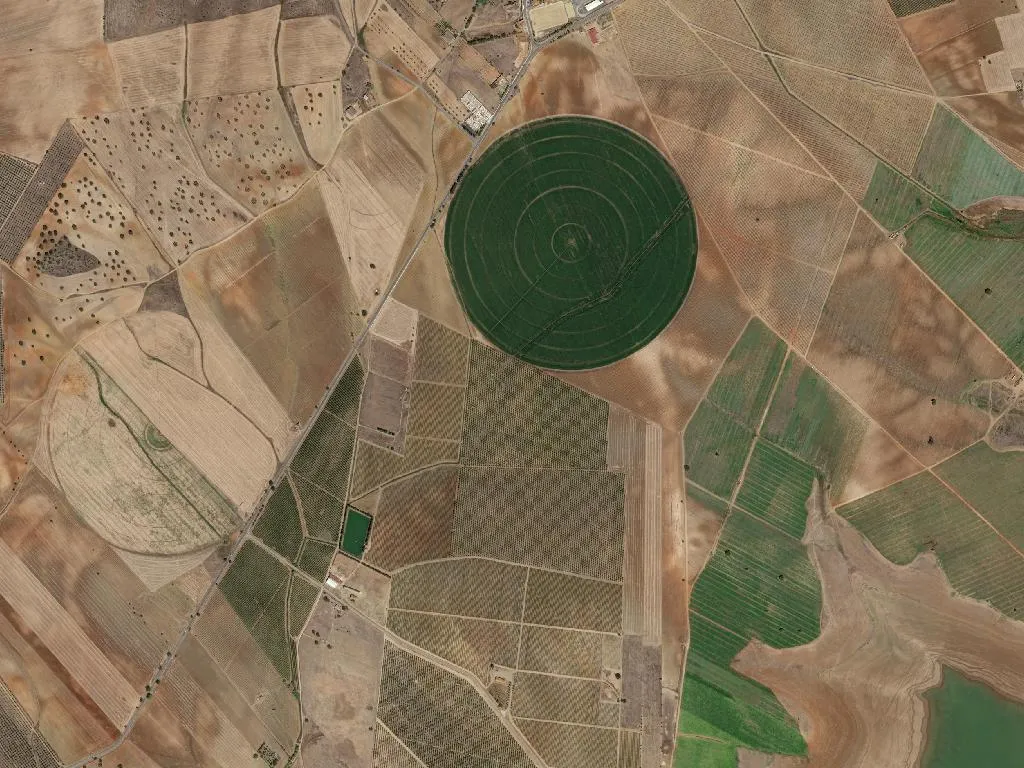
The late sun slams into the Alentejo plain and olive shade prints jagged inkblots on the ochre earth. At 136 m above sea level, Ervidel stretches beneath a sky that feels higher than elsewhere in southern Portugal—high enough to swallow engine noise, guidebooks, hurry itself. Wheat stubble flickers bronze; sheep move like slow metronomes. Horizon is a verb here, not a noun.
Time worked into the soil
People have been reading this landscape since the Late Bronze Age, when herders first grazed stock across what would later become Roman pastureland. The name itself—Ervidel—may echo those grazing rights, a whisper of Latin herba and Visigothic tenure. Medieval records slot the hamlet into Aljustrel’s administrative orbit; no royal charter was ever granted, yet the feudal grid still dictates the way streets angle towards the low church tower and how whitewash is reapplied each spring before the festivals of Saint John. Nine-hundred-and-seventeen residents now occupy 39 km²; neighbours are measured in kilometres, not metres. Old-age-to-youth ratio is four-to-one, but statistics dissolve when you watch Rosa walk to her vegetable plot with a scarf for a basket, or António finish milking forty sheep before the 7 a.m. news on RDP Antena 1.
What the grass remembers
The lambs that graze these fields earn the protected IGP mark Borrego do Baixo Alentejo—a passport of flavour built on wild thyme and rosemary. The resulting meat is simmered into slow-cooked ensopado or roasted over holm-oak embers, sided by cracked jacket potatoes and chewy Alentejo bread strong enough to haul gravy. Add a spoon-soft wedge of Serpa DOP ewe’s-milk cheese, cave-cured for sixty days, and the taste is lanolin-sweet, pepper-sharp. In larders, smoke coils around chouriça links painted with sweet paprika; olive oil—early-harvest, cold-pressed—settles in terracotta amphorae that keep it cool even when the thermometer nudges 44 °C.
Plain time
Walk the main street at 3 p.m. and the only soundtrack is a distant chair scraping a patio or a dog deciding whether to bark. Granite thresholds are polished to a marble gloss by decades of clogs; geraniums in sardine tins survive on dew and neglect. Beyond the last house the land exhales: an ocean of grasses that winter paints emerald and summer bleaches to straw. Six holiday homes—grandmother cottages upgraded with salt-water pools—are the extent of boutique accommodation; no concierge, no spa playlist, just the certainty that lunch at Café "O Pinto" begins at 11.30 sharp and the butcher will wrap your cut in waxed paper without asking.
Dusk brings a breeze smelling of broom and warm schist. Shadows lengthen, temperature drops ten degrees in as many minutes, and the silence acquires mass—something you feel between shoulder blades, a reminder that plains were once seabed. Ervidel does not perform; it withholds, then quietly offers. Accept the deal and you will spend the rest of your life inventing reasons to return.