Full article about Rio de Moinhos: sunlit wheels & lamb that melts
Rio de Moinhos in Alentejo offers ruined water-wheels glowing at dusk, cardoon-set Serpa cheese on wood-fired bread and cork-oak trails with zero crowds.
Hide article Read full article
Afternoon gold on the Lucefecit
The river catches the last light the way a mirror holds a face. My grandfather’s joke surfaces unbidden: “The Lucefecit is like César’s coffee – looks pointless, yet it keeps pouring.” Rio de Moinhos never needed a postcard slogan; its own wrecked water-wheels speak plainly enough. The stream still moves, only now it turns phone screens instead of grindstones.
A church that keeps one eye on the current
Igreja de Santiago rides the ridge like a referee who refuses to leave the pitch. Built at the close of the thirteenth century, it harbours the tomb slab of Dom Gonçalo, dead 1290, whom the parish priest likes to call “our longest-standing resident – just no one had asked for the bill.” Inside, eighteenth-century frescoes have faded to the soft greys of a worn-out denim jacket, yet you can still pick out Santiago on horseback, forever arriving and departing – much like the Alentejanos themselves, always threatening to leave, always happier when the road points home.
What the earth keeps, what the years give away
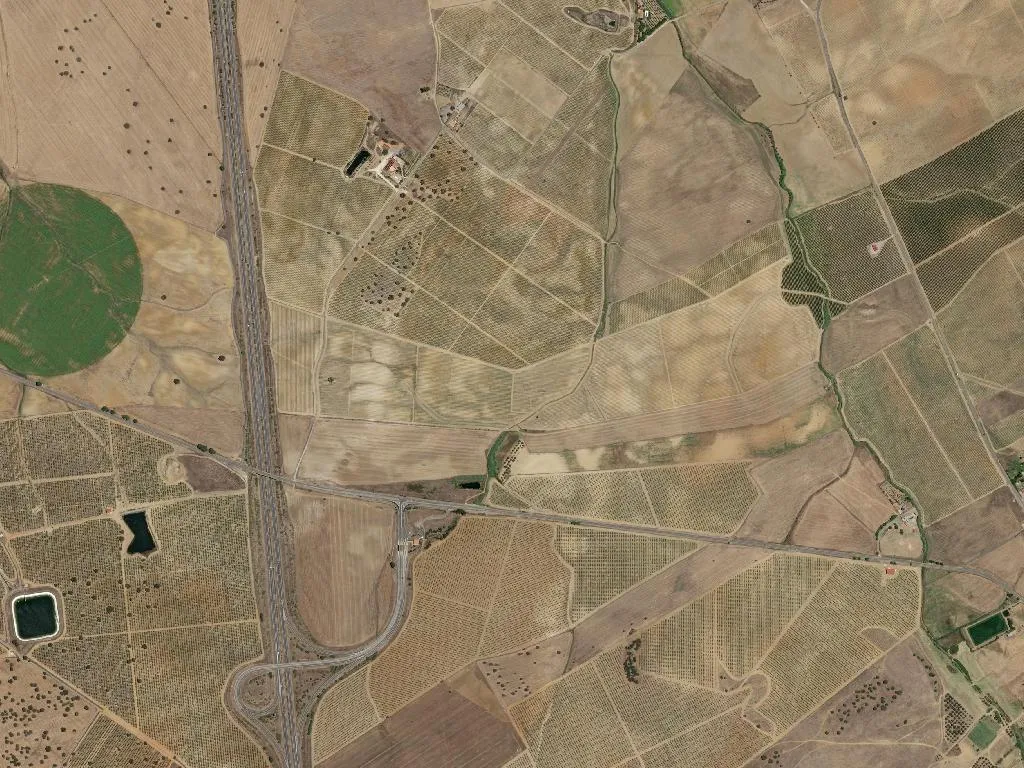
Beneath the holm oaks the soil is the colour of dried blood; speculate too loudly about iron content and someone will accuse you of counting beers. At 98 m above sea level the land rolls gently enough for the eye to rest: cork oak, olive grove, the occasional sheepdog issuing a half-hearted invoice. There are no signed footpaths, only tractor scars that disappear when the seeding ends. Bring water, bring a hat, forget 5G – WhatsApp weeps before a photo crawls through.
Lunch without an Instagram queue
The table receives what the fields surrender. Borrego do Baixo Alenteijo IGP is tender as a first kiss and carries the ghost of pennyroyal from the pastures. Serpa DOP cheese, set with cardoon and patience, slides across warm bread like a reluctant farewell and still refuses to leave. No chef is plating foams; there is a stew on the wood-fired range and a cloth napkin – if you need another, the kitchen door is ajar and no one will mind if you help yourself.
A village that still winds its own clock
Population 2,893, though silence makes it feel fewer. The average age climbs as the young migrate to Beja or Lisbon, yet those who remain know the Lucefecit never clocks off: it carries rainwater, carries silt, and now and then carries an inattentive chicken. This is no backdrop for instant selfies; it is a place for travellers who carry time in their pocket and are content to let dust settle on their shoes. Come down to the bank, listen to the water, and you’ll sense the broken wheel still turning – slowly, politely, as if not to disturb.