Full article about Aldeia dos Fernandes: Alentejo’s mining-village waltz
Sheep, shift miners & 02:00 waltzes in Almodôvar’s youngest parish
Hide article Read full article
A village that voted before it had a town hall
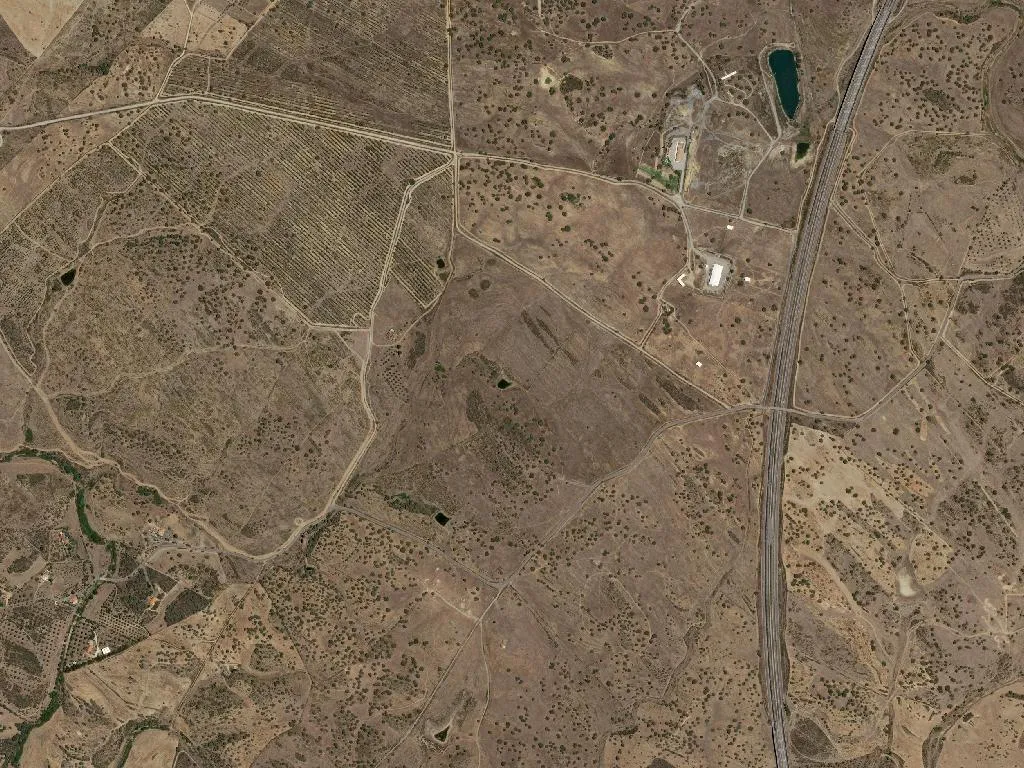
Aldeia dos Fernandes only became a parish in 1985; until then it was simply a scattering of smallholdings tied to Almodôvar. There are no medieval keeps, no Roman milestones, not even a chapel on the heritage list—just 515 souls living at 232 m on the rolling wheat plateau of southern Alentejo. The Fernandes family, sheep farmers from the 1500s, gave their name to the place, and for four centuries life tracked the rhythm of cork stripping and wheat harvests along ochre tracks.
Eighteen kilometres north-east, the Neves Corvo copper mine keeps the lights on. Day-shift miners clock in at dawn, return at dusk with ore-dust still on their boots, then check the ewes before supper. The montado landscape—holm oak and umbrella pine—runs right up to the mine’s perimeter fence, a reminder that the industrial timetable still has to bend to the agricultural calendar.
Where Alentejo learns to dance
For three nights every August the village square stages the Festa de Verão, a strictly local affair of long trestle tables, grilled Borrego do Baixo Alentejo IGP and chilled white from nearby Vidigueira. A brass band strikes up at 22:00; by 02:00 grandmothers in crepe soles are waltzing with teenagers in trainers. No folklore troupes, no tour buses—when the final chord fades, the stage is dismantled and the village reverts to quiet clinking in the café.
Order lunch at Café Central and the stewed lamb arrives under a lid of roasted potatoes, finished with a shaving of cave-matured Queijo Serpa DOP. The waiter pours a glass of rough red from a plastic jug and keeps the tab in his head.
Paths to the polling station
Turnout here hovers above 72 %, a figure Westminster would covet. When everyone knows the candidates’ grandparents, politics feels less abstract; the parish council meets in what used to be the primary school, its walls still painted with faded multiplication tables.
South of the houses a lattice of dirt tracks threads through cork forest and wheat stubble. There are no waymarks, just the ruts of generations of tractors. Follow one and the landscape shifts from winter viridian to summer gold; only the stone troughs for sheep remain constant, filled now by autumn rain rather than urns of votes.