Full article about Santa Clara-a-Nova
Stone church, cork oak shade, unpolluted starlight—slow life at 325 m in southern Portugal
Hide article Read full article
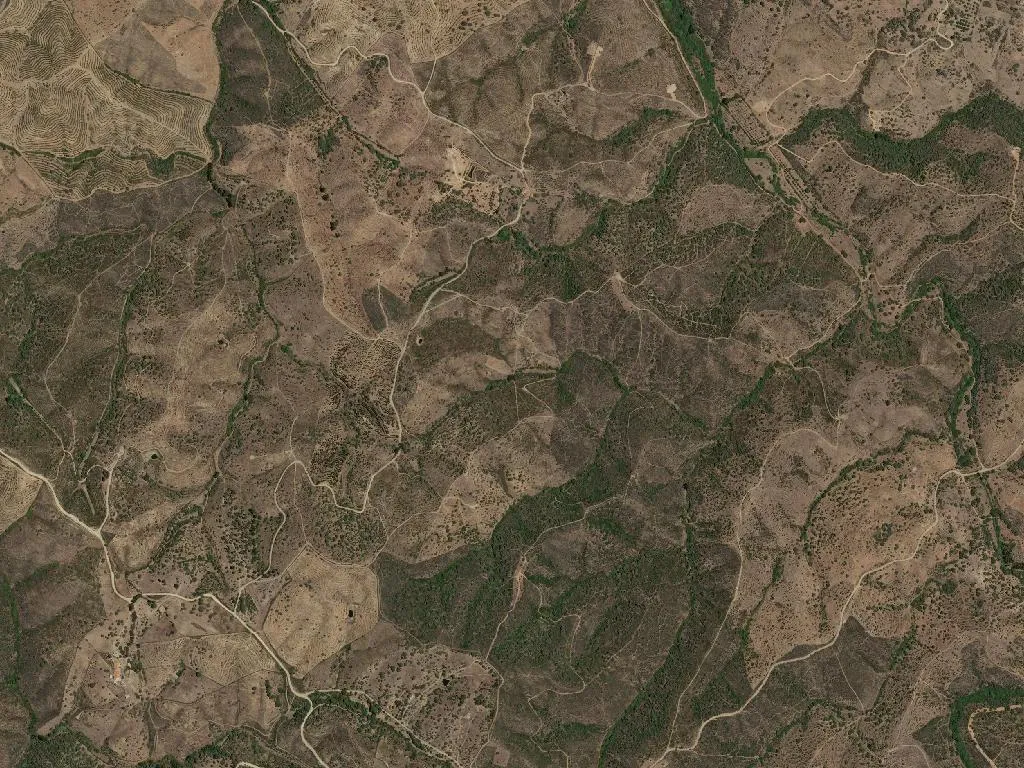
The schist walls exhale yesterday’s heat while silence pools between the chalk-white houses. At 325 m above sea-level, Santa Clara-a-Nova stretches across 97 km² of southern Alentejo with only four inhabitants per square kilometre; every voice, every footstep, registers like a note struck on a muted piano.
Stone, lime, memory
The single classified building is the parish church, erected in 1538 and listed since 1977. Its stonework has outlasted the sharecroppers who once measured rain by the colour of the sky and the shepherds who moved merino flocks through the cork oak montados. Whitewash throws the August sunlight back into the air; the green-grey of surrounding olive groves forms a calm, almost abstract geometry.
Taste of dry earth
On tables in the only tavern, Queijo Serpa DOP arrives soft and buttery, coaxed from raw merino milk. Borrego do Baixo Alentejo IGP grazed on wild herbs just beyond the village; in the kitchen it roasts for four hours until the meat slips from the bone, scenting the room with thyme and wood smoke.
Slow living by numbers
Population 393: 28 under thirty, 165 over sixty-five. The arithmetic tells of departures and stubborn remainders. Three self-catering cottages—former farm labourers’ houses—now welcome guests who trade traffic lights for roosters and schedule days by the sun’s arc. Evenings end on the solitary café terrace; nights deliver unpolluted skies, Orion mirrored in the cold dawn that can arrive even in July.
Walk the single-track road at first light and you’ll meet one elderly man posting a letter, two dogs, and a horizon that refuses to hurry.