Full article about Faro do Alentejo: smoke, sausages and shrinking streets
Where oak-fired bread, Serpa cheese and 485 stubborn souls outlast the silence
Hide article Read full article
The scent of woodsmoke and shrinking lives
At 10.30 a.m. the only sound in Faro do Alentejo is the diesel growl of Sr. Aníbal’s pick-up as he leaves for the estate of São Brás, where he has been the caretaker since 1963. Between the two village bakeries – José Augusto’s, open since 1978, and Conceição’s, weekends only – the air is still thick with the smell of oak-fired ovens and the Friday batch of pão de caldeira, the heavy, crusty loaf that locals insist tastes of the past.
Census figures tell the rest: 485 residents, 66 of them under twenty, 125 over sixty-five. The primary school shut in 2009; now the single bus leaves at 7.15 a.m. for Cuba, six kilometres north, where the youngest children sit in classrooms that feel oversized. Population density has slipped from 15.2 to 10.9 people per square kilometre since 1991, but the graveyard states the case more bluntly: since 2020, burials here have outnumbered births.
A geography served on a plate
DOP-certified “Alentejo Interior” olive oil begins in the 1,200 hectares of olive groves owned by three large estates – Contenda, Comenda and Juncalinho. São Brás cooperative pays €3.20 a kilo for the fruit, which is why families still hand-strip the trees during the first two weeks of November, swapping labour in informal “grupos de jeito”.
The Serpa cheese on every table is made by Natália Matias at Quinta do Peso from the milk of her 230 Merino ewes; she sells it from her front door at €14 a kilo, wrapped in rough brown paper. In 38 of the village’s 165 permanently occupied houses, the winter matança still takes place: sausages hung in a smoke-room behind the cellar from 15 December to 20 January, scented for 35 days with oak and strawberry-tree wood.
Wine is a newer chapter. Since 2017 the Carvalho family at Herdade do Pinheiro has kept its grapes back from the Cave de Vidigueira cooperative and bottled 3,000 barrique-aged reds, sold for €8 straight from the winery door.
The weight of silence
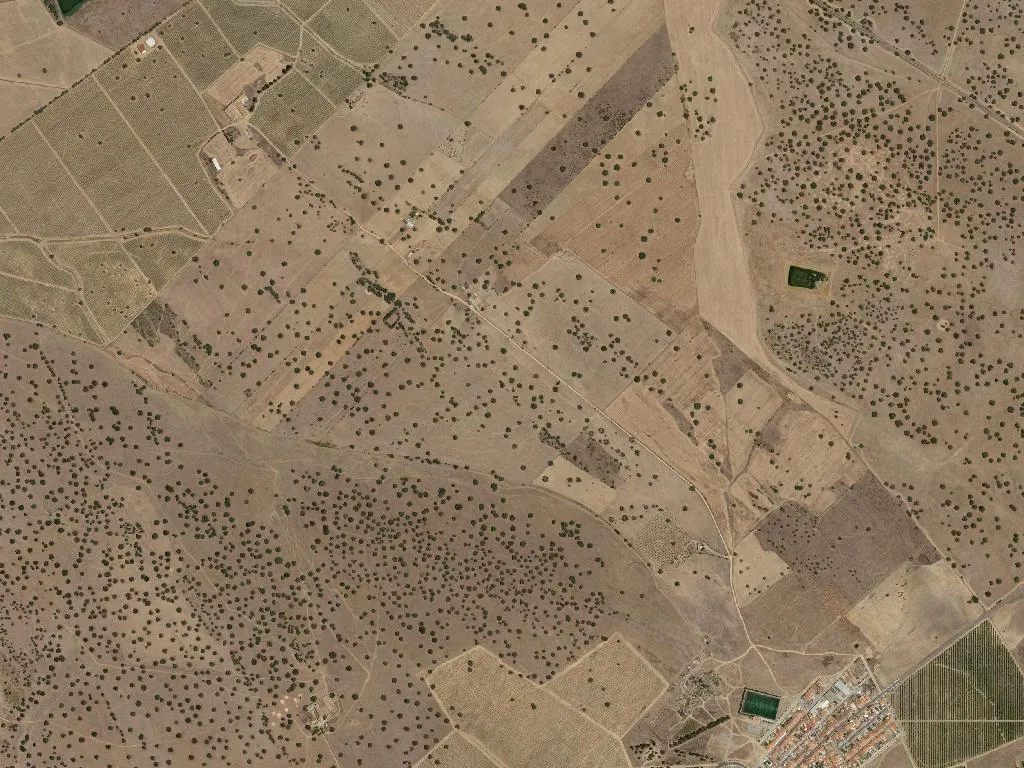
Faro do Alentejo spreads across 4,456 hectares, 62 per cent of it cork and holm-oak forest. The only paved route, the municipal 508, was tarred in 1994 after twelve dust-choked years and three fatal crashes. On August afternoons, when the thermometer at Comenda estate tops 44.5 °C, the hush is broken only by João’s tractor hauling hay bales eighteen kilometres across dirt roads to the sheep pastures – a 45-minute journey at walking pace.
There are no listed monuments. Instead, history surfaces in fragments: three silver coins of John III, turned up by a plough in 1982, and the chapel of Santo António, rebuilt in 1926 after the 1858 earthquake punched out its dome. When the 1837 bell in the mother church tolls six o’clock – cast from Civil-War cannon bronze – the sound carries three kilometres to Herdade do Juncalinho, where Dona Alice still sets her watch by it.