Full article about Canhestros: Alentejo village where communal ovens & ancient
From Epiphany woodsmoke to cinnamon-spiced St Sebastian, Canhestros keeps Alentejo’s living calendar
Hide article Read full article
Woodsmoke and stone
The communal oven on Praça da República is lit at half past six on Epiphany morning, its 1897 brickwork exhaling the first scent of burning holm-oak before the sun shows. Families arrive with dough swaddled in tea-towels; payment is a loaf still singing from the heat or a bundle of kindling. Only five firings are scheduled each year – dates are pinned to the parish-council noticeboard like doctor’s appointments.
Basket and grain
The name Canhestros drifts down from the Latin canistrum, the wicker basket once used to ferry olives and wheat across these 71 m of Alentejo plain. Between 1450 and 1650 the House of Braganza carved the schist and sandstone into latifundia; the 1755 earthquake cracked the Manueline mother church, later patched with eighteenth-century azulejos now listed as a public-interest building. On 20 January the procession of St Sebastian threads from the chapel: mules wear beribboned bridles, owners carry bird cages, and the priest ladles cinnamon-spiked red wine to bystanders.
Dolmen and drupe
Two kilometres north, the Anta da Pedra Branca – a national monument since 1910 – keeps its five granite stelae upright like a half-finished handshake. A field away, the 1.8 m Chafariz menhir stands solitary. In November and December the Monte Novo olive mill turns its granite millstones; phone the council mid-week and you’ll be slotted in for a pour of grassy oil over dark rye, the base of local açorda: garlic, coriander, egg, lemon.
Verse and seed
On Christmas Eve the baldões – roving singers – rap doors demanding “bread, wine, pine-nut” and trade satirical quatrains for their haul. Quim Rosa recorded 30 of these tunes in 1981; the CD is still loaned out by the municipal library. Sexagesima Sunday sees children proffer linen sachets of grain and wildflower seed, receiving coins in return. Drop into the Cultural Centre on the last Friday of any month at 21:30 to hear cante ao baldão revived by retirees and secondary-school guitar clubs.
Cork and wetland
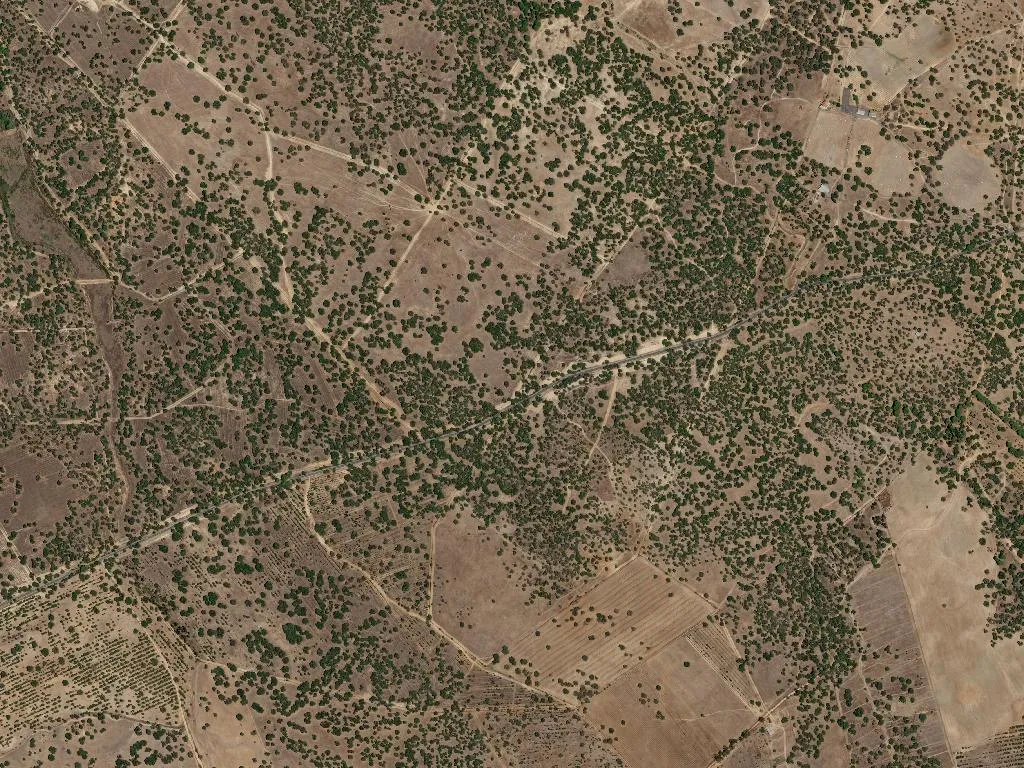
The Montado Trail, signed at 5 km, starts beside the church bell-tower. Mid-way, the 12 m-girthed Canhestros cork oak – classified in 2019 – shows where the region’s cork money began. From October to March the Charca de Água Doce hides behind reed beds; a tripod-mounted scope in the bird hide picks out purple swamp-hen and ferruginous duck. Herdade da Apariça will saddle you a donkey for €15 an hour, picnic blanket and cork-handled knife included.
Table
Café Central serves borrego estonado, lamb slow-cooked under a clay pot lid, for €12 a portion. Cold purslane soup topped with shaved Queijo Serpa appears only in July and August; sweet-potato with smoked farinheira is sold vacuum-packed at Quinta do Pinto for €8 a kilo. The Wednesday producer market (08:00-13:00) colonises Praça da República – bring a tote; no one stocks carrier bags.
The oven cools; the crackle of crust lingers with the smell of straw. In Canhestros the gestures that still matter are simple: sliding bread into a communal mouth, pressing seed into a child’s palm, singing under a neighbour’s porch before the lights go out.