Full article about Figueira dos Cavaleiros: açorda, silence and 7.7 neighbours
Alentejo hamlet where olive groves outnumber people and lunch depends on Dona Albertina’s mood
Hide article Read full article
The calculus of absence
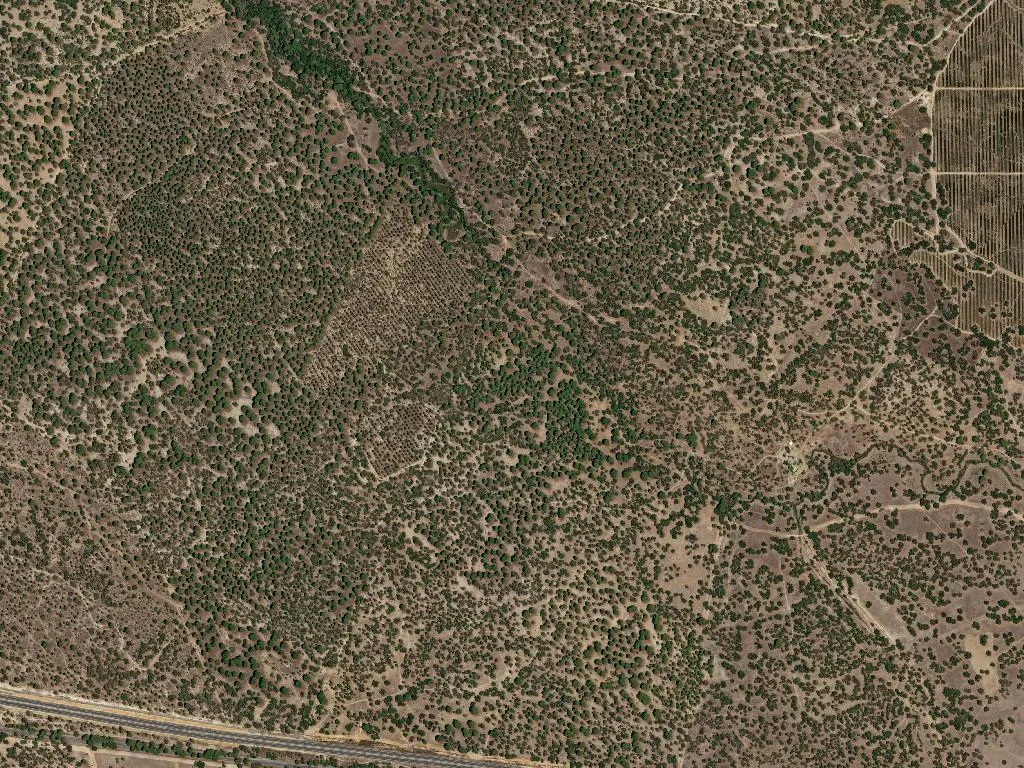
Sunlight ricochets off whitewashed mud-bricks, throwing back a glare so sharp the roof-tiles seem to vibrate. In Figueira dos Cavaleiros, the Alentejo refuses to pose: houses stand one field apart, dirt roads dissolve into ochre paste at the first drop of rain, and the loudest noise is a dog whose bark arrives from the next parish. Spread across 154 square kilometres, the settlement averages 7.7 inhabitants per square kilometre—just enough to keep the Spanish wind company.
Geometry of distance
Nobody hurries here because nothing crowds them. One thousand, one hundred and eighty-five souls occupy a grid designed for livestock: each dwelling once buffered by wheat strips, threshing floors and the snoring of someone else’s pigs. The church tower rises like a snapped matchstick; the power line bisects the sky with T-square precision. In the single tavern, four tables host a permanent tournament of Sueca played with cards as soft as chamois. The youngest regular is seventy-three. Children cycle the N18 until the tarmac surrenders to gravel—then they keep going, tyres hissing on dust.
What the soil registers
This is the inland triangle where money smells of straw and sheep’s milk. Olive groves certified Azeite do Alentejo Interior DOP are still harvested with bamboo canes; fruit drops into canvas slung beneath the trees. In stone cellars, Queijo Serpa DOP develops a lunar coat of white mould, while lambs that qualify for Borrego do Baixo Alentejo IGP graze yesterday’s stubble, thistles and whatever the drought forgot. There is no prix-fixe menu. Dona Albertina may ladle coriander-spiked açorda if she approves of your expression; Zé’s nameless hatchback bar serves hare stew thickened with dark rye bread, payment accepted in crumpled five-euro notes or a litre of own-press olive oil.
Low light, fast shadow
Topography is almost an afterthought—63 m above sea level—yet on a rinsed-blue winter morning you can clock the Tagu’s glint 90 km north. Summer turns the road surface into a trembling mercury mirror; cicadas drill so insistently the ribs feel tuned. When the Atlantic fronts slide in, the province’s green infiltrates unnoticed: roadside verges, drainage ditches, the hectares nobody bothered to sow.
Unmarked tracks branch to places that barely justify a dot on the map: Léxida, Vale de Cavaleiros, Outeiro do Rato. Directions are arboreal—turn left at the split holm-oak, right at the whitewashed stone, straight on until the silence thickens. A raised pickup appears, bull-bars caked in ochre, driver raising two fingers from the wheel in minimalist benediction.
Dusk arithmetic
As the sun drops behind the bell-tower, olive shadows lengthen into giant fingers counting the day’s last coins. The village demonstrates, without rancour, that it will function quite happily in your absence. A gate claps shut; a generator coughs once and subsides; Amélia’s call for her grandson echoes off rendered walls and is answered only by the dog that barks at its own echo. You leave carrying the faint taste of heated earth and the realisation that somewhere on this plain life is proceeding—fields are being ploughed, cheese turned, cards shuffled—whether or not a witness ever arrives.