Full article about Alcaria Ruiva: Where Dust, Honey & Silence Stick
Walk one-lane Mértola hamlet, eat lamb stew, hear cork crackle, river turtles plop.
Hide article Read full article
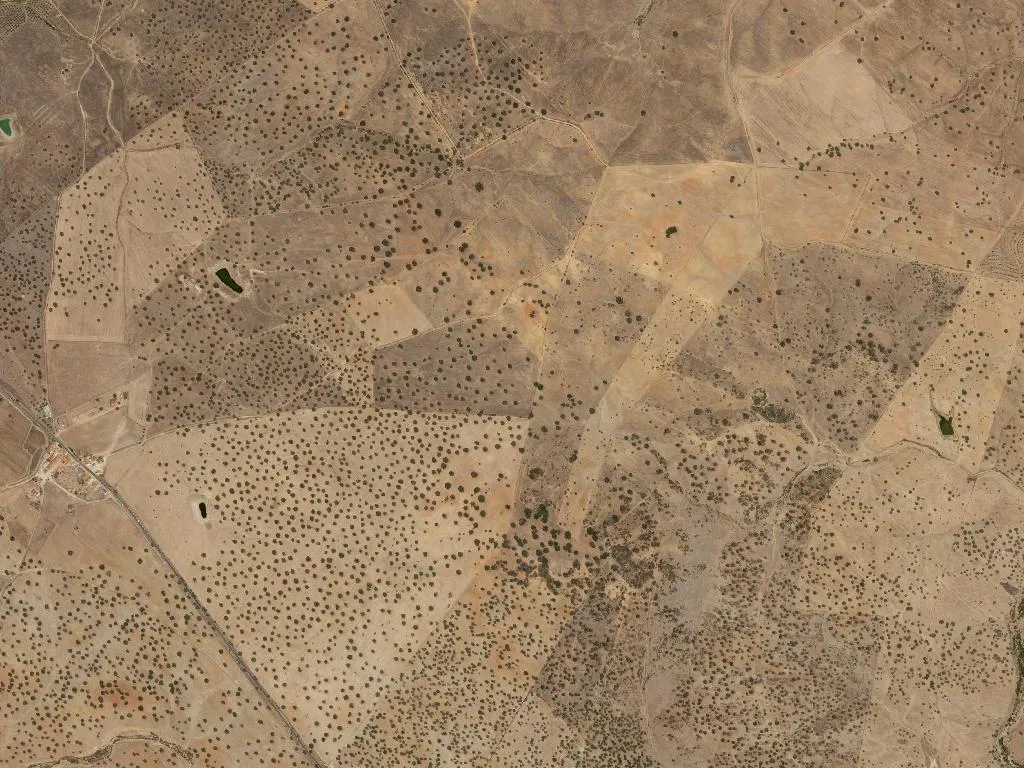
The silence here has heft — it settles on the skin like August heat. It is not emptiness: it is the groan of the only café’s door at seven sharp, the low thrum of bees inside the holm oaks, the faint diesel growl of Sr Joaquim’s tractor as he climbs to check his lambs. The dirt road, still scarred by winter rains, lifts a fine dust that lodges in socks and lingers in lungs long after you leave.
Alcaria without haste
Local etymologists say alcaria comes from the Arabic for “scattered houses”. Scattered is an understatement — some dwellings are found only by asking the nearest shepherd, and even he hesitates. The chapel glued to the old manor receives its priest by appointment; the parish telephone tree starts with a landline that still crackles. There is no festival, yet on St Blaise’s day Albertina fries honey-drizzled filhós, wraps them in foil and leaves them at the junction. Whoever passes, eats. No receipts, no hashtags.
Between cork and river
The footpath to the Chança begins beyond a purple gate that never closes. Three kilometres of compacted earth follow; an Aleppo pine marks the midpoint. Left, the Englishman’s farm; right, the cork montado Joço inherited and still hasn’t decided whether to sell. In high summer the air smells of baked rockrose and smoke from stubble fires; in winter the clay grabs your soles and you walk head-down to avoid leaving a shoe behind. Turtles announce themselves with a soft plop — concentric ripples spreading like thought bubbles. The short-toed eagle does not perform on demand; when it appears it slices the sky once, no encore.
What is served, what is saved
The single restaurant (weekends only, or by call-ahead) dishes out lamb stew D. Lurdes has had ticking over on a wood-fired range since dawn. Meat from next door, olive oil from the co-op press at São João dos Caldeiros, yesterday’s bread. No menu; you ask what there is and you accept. When the lamb finishes, salt-cod açorda appears — always crowned with a runny egg, always swimming in orange-gold oil. Bring your own bottle; the house sells only tap water and no one minds if you uncork a Dao red at midday. Leftover migas are scraped into the terracotta and handed to the waiting dog.
Ruins that speak
The Casa Grande stands roofless since the 2012 storm. You enter where the front door once prouded, through wild figs now growing inside. The stone olive press still hangs from its beam, rope severed mid-drop, wooden screw arrested in mid-air. On the floor, ash rings: hunters or weekend teens, no one remembers. Bring a jar lid if you want to photograph the sky mirrored in the rain puddle; bring a jumper because the valley wind slides down the slope and raises goose-bumps even in July.
At dusk the sun leans against the ridge and everything rusts — locals swear that is how the place got its name. Shadows stretch, the dust refuses to settle, the café shutters close at eight. Those who stay hear the first dog bark, then the second, then the silence dropping again, heavy as a wool blanket over the 630 souls of Alcaria Ruiva.