Full article about Sobral da Adiça: where silence tastes of thyme and whitewash
Wheat-whispering Alentejo village serves lamb perfumed by wild herbs and time
Hide article Read full article
Between Silence and Stone
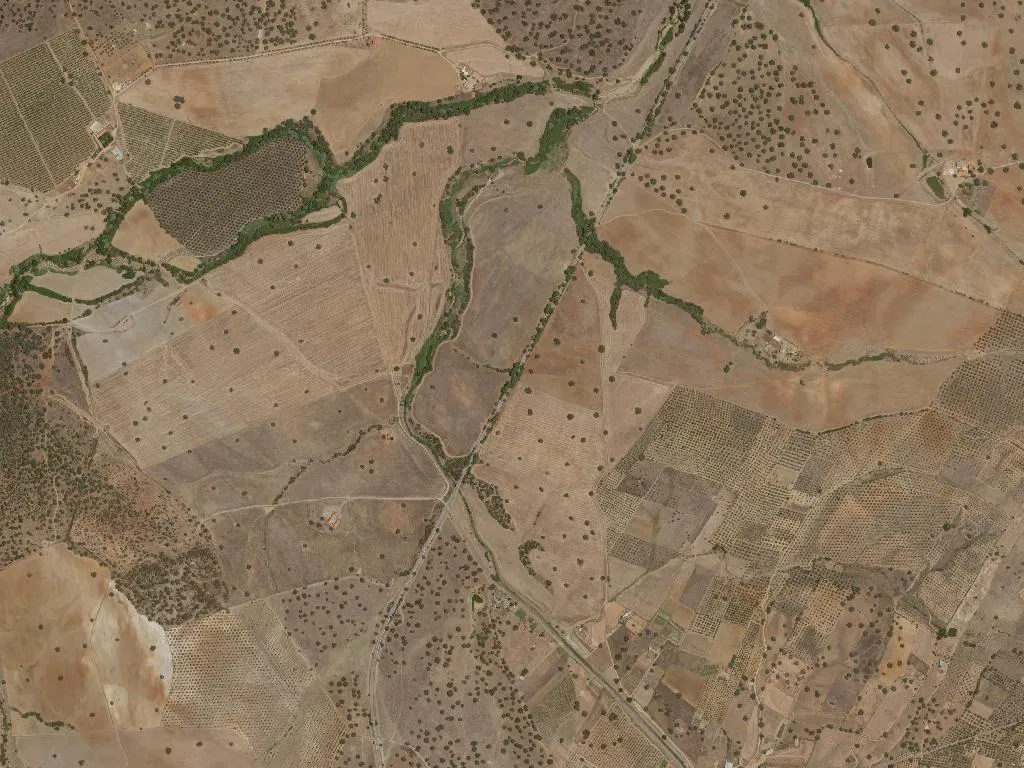
The Alentejo plain rolls like a slow-motion sea, wheat stubble and olive groves shimmering under a calcium-white sky. Walk thirty minutes from Sobral da Adiça’s single café and the only moving thing is your own elongated shadow. Population density: six people per square kilometre – lower than the Western Sahara. Space outweighs substance; even the air feels weightier.
Whitewash Years
The village clusters around its 16th-century mother church, lime-plaster walls rebounding noon light like scatter-shot. Streets are engineered for ox-carts, not hatchbacks; doorways gape onto tiled interiors where the same family has swept the same terracotta since Salazar’s day. An elderly man in a cotton cap lifts one finger from the steering wheel of a Renault 4 – the Alentejo wave, half greeting, half benediction.
Flavours Certified by Geography
This is IGP country. The lamb on tomorrow’s lunch table grazed within sight of the kitchen, its diet of wild thyme and lavender already marinating the meat from the inside. Queijo Serpa DOP, aged for ninety days in cloth, carries the mineral tang of dry pasture and summer salt. There is no menu; you eat where Dona Amélia decides to feed you, bread slid from the communal wood oven on Rua Direita, olive oil poured from a drum stamped with her son’s initials.
Arithmetic of Departure
Of 862 residents, 225 are over 65; only 131 are under 14. The primary school is now a day centre where voices echo louder than they did when lessons were in progress. Yet those who remain have chosen inertia as a deliberate act. They keep the hydraulic pace of the land: sow in November, prune in February, harvest in June, repeat. The sole guesthouse, Casa da Eira, has three rooms and a two-night minimum – booking requires a WhatsApp voice note and the patience to wait for a reply after the siesta.
Dusk, Amplified
When the sun drops behind the Serra de Moura, the thermometer falls ten degrees in as many minutes. The church bell tolls three times – low bronze travelling unimpeded across 13,810 hectares. In that horizontal light the plain reveals its private topography: a Neolithic menhir 800 metres south-east, the ghost-grid of a Roman irrigation channel, the glint of a reservoir that irrigates nothing but egrets. Sobral da Adiça does not do “experiences”; it simply continues, indifferent to your itinerary, generous only if you match its cadence.