Full article about Garvão’s Slow-Time Alentejo Spell
Wheat-whitewashed lanes, cellar-ripe Serpa cheese, and village hush in Ourique
Hide article Read full article
The hour that pays the bill
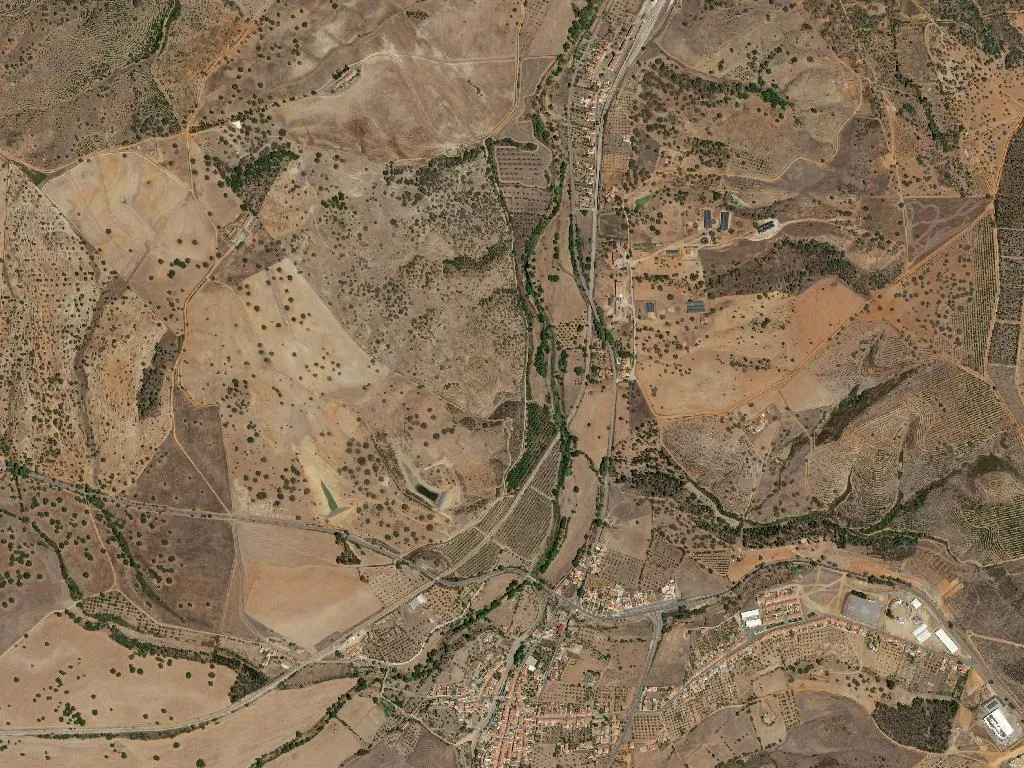
Late sunlight falls like a cashier’s hand on the low white terraces, demanding payment for the day. In Garvão, population 444, midday silence is not emptiness; it’s the neighbour you can never quite place—present, absent, both. Census forms list 178 residents over 65 and only 29 still in school, yet the place is fluent in first names and shared surnames.
Geometry without crowds
Walking the village feels like crossing a football pitch after the match: the white lines remain, but the players have gone. Between houses there is space to inhale, to watch minutes stretch. Streets are drawn in sand—broad, unhurried. Look north and wheat rolls like a changing tide; look south and the church tower stakes its claim, a distant dog barking at sky.
What arrives on the plate
The lamb on the table grazed the surrounding fields; the rosemary that perfumes it grows in the cook’s back garden. This is not restaurant theatre, it is dinner. Queijo Serpa, still made in Dona Alice’s cellar, arrives either spoon-soft or aged until it fractures like brittle porcelain. You taste the pasture, the month, the temperature of the cave.
How the day is lived
Six houses take guests—no reception desk, just a neighbour holding the key someone forgot to give back. Dawn begins with cockerels; the morning rush is Américo’s tractor coughing towards the montado. Coffee costs 60 cents and comes with commentary on rainfall, football and the right way to prune an olive. Selfies are not on the menu; advice, willingly dispensed, is complimentary.
Sometimes, at shutting-up time, a gate groans—Tonho securing his land, or only the wind. What stays with you is not photogenic: the weight of warm silence on sun-browned skin, the certainty that here a watch is still a tool rather than a tyrant, marking hours for work and hours for rest, nothing more.