Full article about Vila Nova de São Bento smells of oak, olive and time
Vila Nova de São Bento, Serpa: bell notes, woodsmoke, parchment façades—Alentejo village life measured by olive-oil bitterness and a 90-year holm-oak counc
Hide article Read full article
The scent that tells time
The first thing that arrives in Vila Nova de São Bento is not a view but a smell: woodsmoke braided with the peppery tang of olive-pruning smoke. It is the olfactory equivalent of a village register—oak for the winter, cork for the summer—announcing who stayed, who left, and whose hearth still burns at midday.
The second thing is the bell. It never strikes the tidy triad you expect; the Alentejo wind unspools each note, stretching the sound until it lands somewhere between the church tower and the wheat fields. You check your watch, then ignore it; time here is negotiated, not told.
Whitewash that refuses to be white
At 14:00 the sun squares up to the main street and the façades retaliate with a magnesium flare. The lime is no longer lime—decades of dust from threshing floors and tractor exhaust have baked into a parchment that hurts to look at. Under the single holm-oak that has served as the de-facto parish council since 1934, the women price this year’s olive oil by the degree of bitterness and debate whether Lisbon will send their granddaughters back for August. The tree was planted by Dona Rosa’s grandfather; its roots have seen off three pavements and one attempt at a parking bay.
Interior: wax, electricity and a cat-shaped hollow
Inside the parish church the air is thick with beeswax and the faint sweetness of mouse-nibbled hymnals. The 17th-century gilded altarpieces are shoved sideways into shadow; they only ignite when someone remembers to light a candle, an increasingly rare event since the new priest installed LED strips. His house next door is rammed-earth, the walls a metre thick—useless against July’s kiln heat or January’s damp that climbs the sheets like a second blanket. At the stone fountain the metal spout has gone; what remains is a scooped depression polished by generations of cats until the granite itself began to taste of water.
Calendar of excuses for gathering
Mass is at nine sharp, but the real liturgy happens afterwards when Dona Ilda’s olive-oil biscuits appear—thin, brittle, stamped with the cross of São Bento and made from her son’s first pressing. The livestock market died with the municipal abattoir in 2004, yet men still orbit the closed gates on Saturday mornings, ending up in Zé Manel’s barn for a thimble of last year’s medronho drawn straight from the oak barrel. February’s “burial of the cod” has nothing to do with fish and everything to do with grilling sardines in the street while children chase each other wielding pillows like battering rams. The “kings’ singing” only materialises if Joãozinho can bribe three friends with the promise of homemade aguardente; nobody bothers knocking on doors for the almond biscuits that no bakery can replicate.
What the table decides
Seasons are measured in bowls. Winter brings açorda: bread porridge sharpened with cured bacon and a poached egg that must be from the neighbour’s black hen. Summer is gaspacho the colour of garnets, cucumber seeds floating like tiny boats. Lamb stew is obligatory at Easter, scented with pennyroyal scraped from the crack by the cistern—the same herb the doctor’s mother brews for chesty coughs. Christmas custard tarts now arrive in a Minipréço box; Dona Ana complains they taste of cardboard, then eats three. Only genuine Serpa DOP cheese is allowed to slump into purslane soup, and even that is rationed: the vacuum-packed wedges sold at motorway services are considered a criminal offence.
Where the cork ends
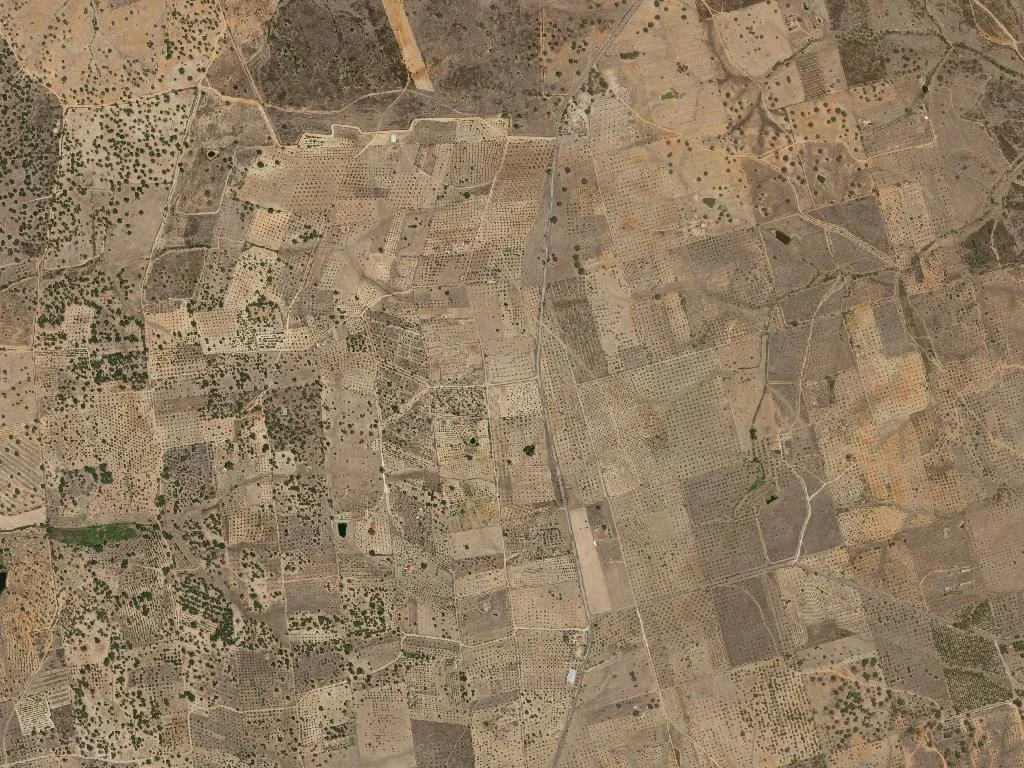
The montado—cork and holm-oak savannah—does not roll romantically to the horizon. It stops abruptly at the road to the abandoned São Domingos mines, jurisdiction changing with the tarmac. Pure-bred Alentejo black pigs are scarce; most have been crossed with whites to hurry up the weight gain, and the oaks are sick with sudden-death fungus. The Ribeiro de São Bento is a river for exactly three March days, then reverts to a cracked vein of white clay before it can dream of the Guadiana. The local walking trail measures 6.5 km, not the eight promised on the faded board; the bird-hide looks straight at a Vodafone mast. Griffon vultures do appear, but only if the council isn’t resurfacing the IC27.
Thursday is tank day
On the first Thursday of the month the cooperative mill opens its tap and locals queue with whatever bottles they have—olive-oil amphorae, plastic water containers, once a pair of stiletto heels rinsed out. No tasting notes, just Zé Pires declaring this year’s batch “angry” because the harvest was pushed into November. The same afternoon the market square becomes a clearance stall for whatever the farms couldn’t shift: Adelino’s cloudy honey, Lucia’s eye-watering raw-milk cheese, olive oil that failed the acidity test but will fry eggs perfectly well.
Rust-coloured silence
When the sun drops behind José Manel’s boundary wall the whole parish seems to inhale and hold its breath. The oak trunks glow like rusted iron; the only sound is the hinge of Zé Pinto’s gate as he checks whether the dog has fled again. Somewhere among the 1,718 inhabitants—registered, counted, statistically alive—someone is always leaving, someone is always arriving, and someone is pinning laundry to a line that will still be flapping at dusk. You drive away with the window open, trying to take the smoke with you, but the wind gives it back to the village.