Full article about Amares & Figueiredo: where the bell rules the bakery
Morning bread, Templar stone and pig-blood rice in Portugal’s mineral north
Hide article Read full article
The church bell slices the morning air the way Mr António’s cleaver parts a rib – 7 a.m. sharp, overcast or not. It is June, and Dona Rosa’s loaves are already being slapped into paper on the counter, still blistered from the wood oven. A sprinting commuter grabs one on the way to the 08:15 coach to Braga; across the lane the scent of sun-hit vines drifts uphill, braided with the espresso drifting out of Café Gelpe, the parish’s informal Reuters where you learn who married, who died and who brought the grand-child for the weekend.
Two parishes, one table
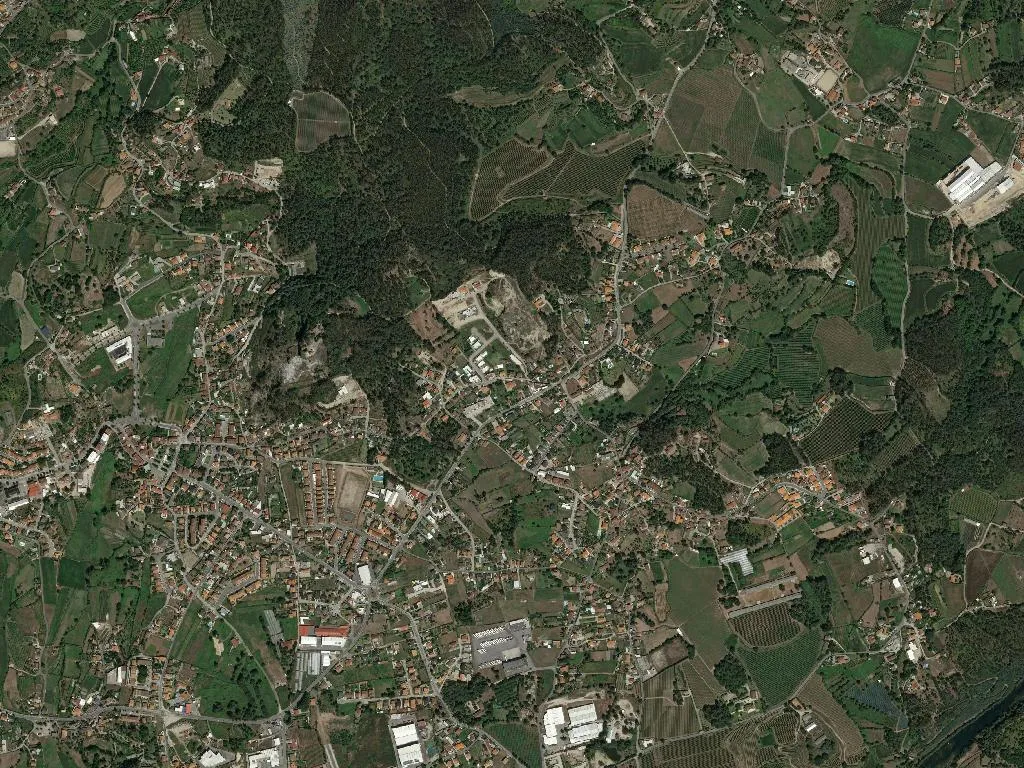
In 2013 the civil parishes of Amares and Figueiredo were pushed together like café tables on market day – everyone already knew the view, the merger only made it official. Elders insist the name Amares comes from the “bitter” after-taste of its iron-rich spring water; no one complains, because the same minerals fatten the meadows where Barrosã cattle graze slowly into DOP status. Figueiredo’s DNA is ferric too – once the clang of pick-axes and charcoal forges, now reduced to the gentle tap of weekend hobbyists restoring garden gates. Stone remembers longer: the Templar church of São Tiago stands seam-by-seam as it did in the twelfth century, the chisel mark of a mason who downed tools for lunch still visible halfway up the south wall.
What to eat (and drink) without asking
At O Abocanhado the sarrabulho rice is bound with yesterday’s pig blood – requesting it “lean” is pointless; Dona Lurdes simply smiles and ladles more. Two doors away, Central plates salt-cod “à Braga” with olive oil pressed from the owner’s own groves; bring a wedge of homemade bread and you’ll finish by polishing the porcelain. Vinho Verde is served by the handle-less mug and costs less than a litre of diesel. For pudding, Café da Vila’s toucinho-do-céu follows grandmother Patrícia’s recipe – “no flour, just love and eggs”. Add a bottle of Terras Altos honey; it sweetens tea and, applied judiciously to a toddler’s dummy, buys ten minutes of silence on a long drive.
Where to lose – and find – yourself
The Cavado River trail starts behind the cemetery – follow the yellow ribbons and leave the suede loafers at home, the schist is slicker than a minister’s promise. An hour’s climb delivers you to the granite cross of Nossa Senhora da Paz; from here the entire valley scrolls out, from the primary-school crayola blocks to Vodafone’s masts on Braga’s ridge. The Portuguese Central Way of St James crosses the parish, but most pilgrims are too footsore for sightseeing – they want a ham sandwich and the key to one of Amândio’s €20 rooms (breakfast inclusive) before the final push to Bom Jesus. Up in Serra do Bouro, a centuries-old cork oak beside the spring functions as parish boundary and moral compass: anyone felling it earns seven years’ bad luck and a lecture from Dona Aldina that feels longer.
Nights when bedtime can wait
On the evening of the 13 June the primary-school playground becomes the arraial of Santo António: sardines €3, lager €2, and a repertoire of fresh tangos no one quite knows yet everyone attempts. At midnight the fireworks volley from behind the church – safe, insists the council chief, who happens to be the pyrotechnician’s father. Mid-July brings the romaria of São Tiago: open-air mass begins at 07:00 sharp; arrive at 07:15 and you’ll still catch the hymn but no pew. That afternoon the charolas procession clops down the N103: first a flock of sheep, then the GNR patrol van, finally Sr Aníbal’s ox-cart – a participant for forty consecutive years and counting.
When the sun drops behind the Gerês foothills the Cávado turns the colour of well-stirred caldo. The bell tolls three times: half an hour until Gelpe shutters. Enough for one more fino, one more thumb-width of aguardiente, and the certainty that tomorrow Dona Rosa’s bread will emerge hot again, its crust singing like Mr António’s knife.