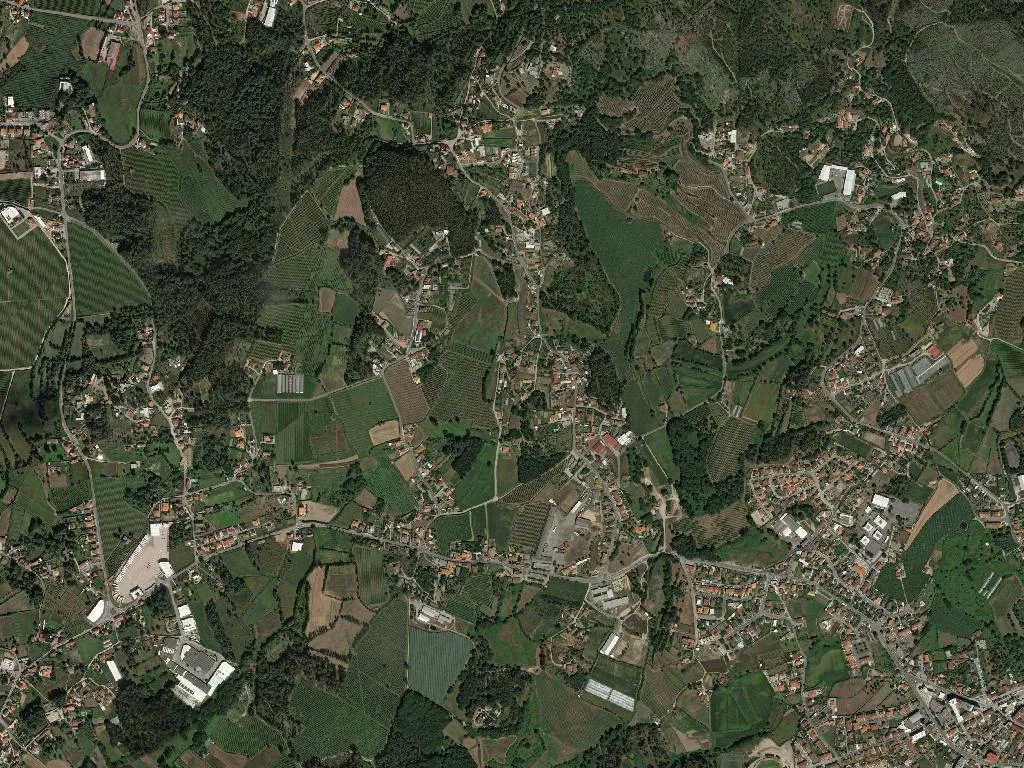
Full article about Carrazedo: Where Granite Glows & Pilgrims Pause for Wine
Carrazedo, Amares hides a pilgrim-dusted tavern, oak-smoked Barrosã beef and silent granite streets that glow at sunset.
Hide article Read full article
The granite of the low houses is still warm when the sun clocks off. In Carrazedo, evening light slips down the Rua da Igreja at a slant, coaxing village dogs into doorways like landlords checking who’s behind on the rent. Silence here is not emptiness; it is an invitation to eavesdrop on shirts flapping on the line and on the neighbour hollering “Neto, you’ll miss Mass”.
Officially there are 723 residents, but the tavern ledger runs to over a thousand. Locals insist the census never catches those who’ve left for France and haven’t yet come home for good. On Saturdays the café fills with cars wearing Viana or Braga plates and with women who have kept the same dance shoes since 1987.
On the pilgrims’ trail
The Northern Way of Saint James slips into the village as politely as a salesman: down the upper lane, left at the hand-chiselled cross, then a straight drop to the Cávado. There are no scallop-shell waymarks, only a ten-year-old yellow wall that is half paint, half memory—enough. Walkers arrive with rucksacks and the tight expression of people who haven’t yet tasted António’s house wine. If they pause, a glass appears and someone murmurs, “Go on, you’ve hours yet.”
Above the river the air sharpens. Cork oaks give way to oak that look as if they’re leaning in to gossip. Autumn brings free-roaming pigs hunting acorns—and, so the joke goes, distracted husbands who miss supper because they’re still chasing the pig.
Minho flavours, no menu required
There is no printed list; you ask António while he leans on the espresso machine. On Saturdays you might be offered a fist-sized slab of kid that spent the night simmering in his sister’s vegetable patch. Carne Barrosã—meat from the long-horned Barrosã cow—arrives in a clay bowl because Zé’s wife has run out of plates. The honey belongs to Celestino: no label, just a slow ribbon that clings to yesterday’s crust as though it knows it’s happy.
The white wine is light, with a prickle locals call “pica” instead of gas. It is drunk from a soup spoon—not for mischief, but because anyone who gulps is offered a refill before the first is finished.
Santo António and the annual inflation
June swells the village. Emigrants return with Spanish and French dust on their number plates, grandchildren in tow who have never seen a whole sardine grilled on a stick. The chapel of Saint Anthony bursts; the churchyard spreads into borrowed benches from the parish hall. There is folk dancing, a midnight scramble, and a band that only finds its rhythm after the third beer. On Sunday morning Susana’s mother is still stacking chairs in the barn, “for next year”.
Then it is over. The last firework sighs out, the smell of gunpowder settles into damp earth, and the village exhales back to its usual size. Orlando’s tractor coughs awake at seven; the same bird that kept everyone awake resumes its perch.
Where to sleep
Look for the house with lace at the windows that Dona Alda rents “only to people someone can vouch for”. Flannel sheets, blankets you can’t lift, and a television that only receives SIC. The cockerel is non-negotiable: five-thirty, summer or winter. Bring slippers—stone floors are cold even in August. If you stay longer than two nights, leave a book on the shelf; that’s how the library started. One brings, one takes, nobody keeps score.
Carrazedo does not ask for likes, only for time. Give it that, and you leave with something too big for pockets: the smell of honey dripping from comb, the basil patch outside the chapel, the neighbour who still calls you “boy” even at fifty.