Full article about Dornelas: Tower of Water-Teeth in Amares
River murmurs beneath a 1255 granite tower where Barrosã beef crackles in oak-ash kitchens
Hide article Read full article
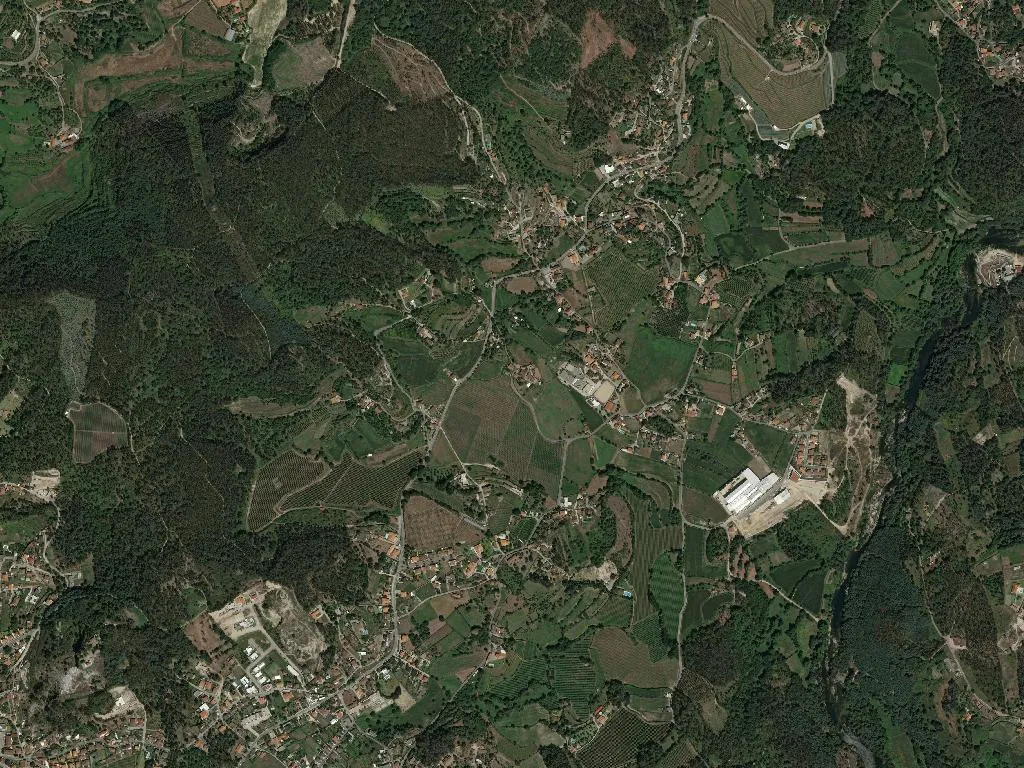
The granite of the tower exhales the night’s chill as the first light grazes the Cávado valley. At its foot the river Dornelas – named for its jagged, tooth-like murmur over the stones – coils between vegetable plots where oranges still hang. The stone cobbles climbing to the tower are slick, moss colonising every joint. Beyond, the dark ridge of the Serra de Bouro cuts into a sky that pales by degrees.
The honour of the water-teeth
The Torre de Dornelas has stood since 1255, when Afonso III granted it to João Fernandes “the Frenchman” as dowry for his marriage to Urraca Afonso. It is one of the very few Minho manor-towers still displaying its original meirinharias – narrow chambers where tax-collectors waited for tenants. Three granite registers, horseshoe arches, stone dressed by hand. In the 1258 Inquiries the place is already “Dornelus”: the river with teeth, gnashing its stony bed. The Honour of Dornelas later scattered descendants to the Atlantic islands and Africa, but the tower remained, stitched into the farmland of Outeiro and Sobreiro, watching over maize strips and irrigation ditches that criss-cross the Minho bocage.
A few paces away, the parish church of 1747 shelters an altar to St Anthony garlanded with pots of sweet basil each June. The saint’s festivities haul home emigrants and neighbours from adjoining parishes: procession, sung mass, concertina and bass-drum troupes, bonfires that burn until dawn. For three nights the parish – only 3.39 km² squeezed between river and mountain – triples in density.
Granite tables and smoke-cured pork
Dornelas cooking stands on three certified legs: Carne Barrosã DOP, honey from the Terras Altas do Minho DOP, and red vinho verde from the Cávado sub-region. Beef is simmered slowly with garlic, paprika and wine; pork belly is fried in lard until it crackles; kid goat roasts in an oak-fired bread oven. In kitchen larders chouriços drip fat onto corn-bread while they darken and concentrate. Honey sweetens breakfast maize porridge and the feast-day arroz doce. Slices of garden orange, picked from the riverside grove, end the meal with a blade of acid to cut the richness.
Tower trail, viewpoint, pilgrim stamp
The “Trilho da Torre” foot-loop covers two kilometres between church, tower, abandoned water-mills and a belvedere over the valley. It is packed earth, oak roots surfacing, blackbird song puncturing the hush. A handful of Portuguese Coastal Camino walkers cut across Dornelas on their way to Braga, pause at Café O Cantinho to stamp their credential, drink from the 1897 wayside fountain. The Casinhas d’El-Rei – tiny 18th-century tax posts – remind visitors that this compact parish, 510 inhabitants at a density higher than the municipal average, has long punched above its administrative weight.
Late afternoon, when low sun gilds the tower’s granite, the river’s voice rises again from the valley: a dull, continual grinding, as though the water still had teeth and were nibbling the stone, syllable by syllable, since the thirteenth century.