Full article about Lago, Amares: granite dawn & vanished lagoon
Walk ancient wheat-dark soil, hear cocks on the Camino, sip green wine under whitewashed eaves.
Hide article Read full article
Dawn on granite
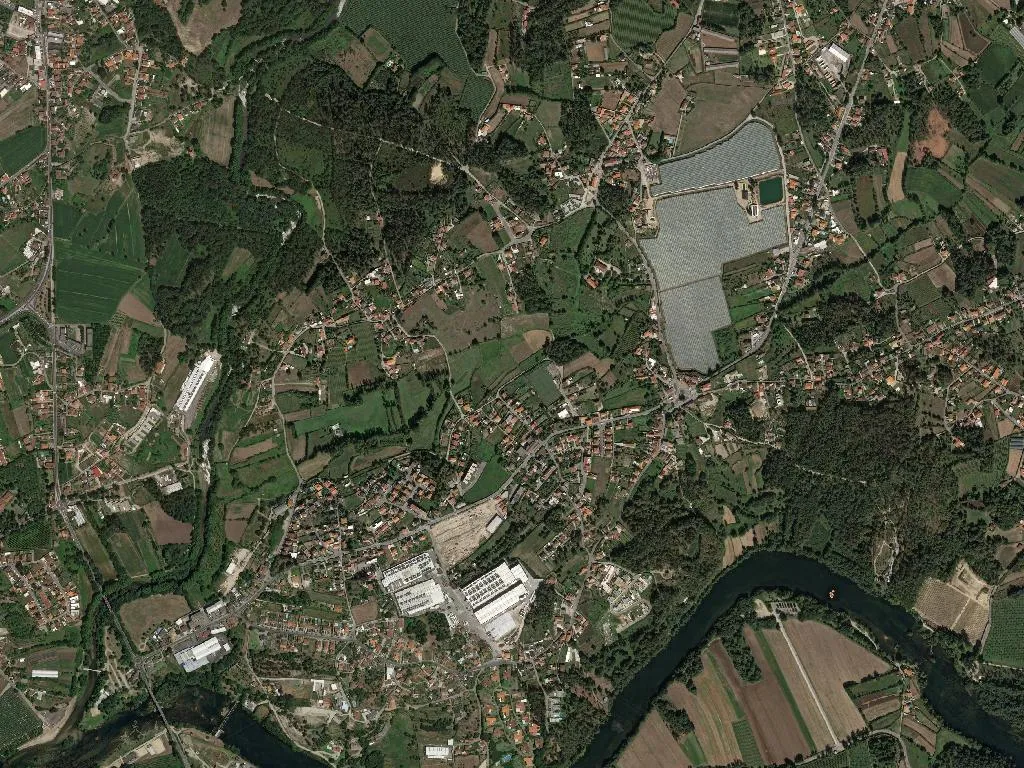
The setts still hold last night’s chill when the first soles strike them. Down the lane the river Homem mutters over its stones, a sound-track answered by cocks and the slow scrape of wooden gates. Oak-wood smoke lifts from chimneys; somewhere a kettle whistles and a woman calls “Bom dia” through an open doorway. Lago packs 1,824 people into 399 hectares – one of the highest rural densities in northern Portugal – yet the morning feels unhurried, as though the granite itself is breathing.
A lake that vanished
The name comes from the Latin lacus, a memory of a lagoon drained centuries ago by monks who wanted wheat, not water. The soil they exposed is still chocolate-dark, fed by the same water table that keeps vegetable plots emerald even in August. Walk the narrow caminho behind the parish church and you’ll see leeks standing to attention where herons once waded.
Footsteps on the coastal way
The Portuguese Coastal Way to Santiago slips through the village almost apologetically. Pilgrims used to the crowds on the central route are startled by the quiet: just the click of trekking poles, the occasional stone added to a wayside granite cross, a quick refill at the spring beside the 17th-century chapel of São Sebastião. Between Lago and the next parish, moss-covered schist walls tunnel the path; sun-flecks shift across the ground like slow disco lights.
When the village raises its voice
For most of the year conversation happens at the tap or in the bread van queue, so in June the parish council invented “Lago com Vida”. Water-sales from the public fountain – yes, Portuguese tap water still turns a micro-profit – fund monthly guided walks, open-air concerts and picnics where someone’s uncle brings a mandolin. During the three nights of Santo António, brass bands lead processions up streets too narrow for a Fiat Panda, and smoke from pork-roasting clay trays drifts over whitewashed porches. Ask for a glass of green wine and you’ll get it in thick pressed glass; ask for the recipe and you’ll be told to whisper it back during the fireworks.
Between river and mountain
Ten minutes downstream the Homem widens into a natural pool locals call the “river beach”. Water temperature: heart-stopping until mid-August. Picnic tables fill with baskets from nearby Gerês – smoky chouriço, corn bread still freckled with ash, custard tarts bought before 11 a.m. at Venda Nova bakery (they sell out, always). Behind the last house a cobbled lane climbs into the Serra de Bouro; 45 minutes later you’re on a granite outcrop looking south to the city of Braga and north to nothing but oak and gorse. Descend in time for a coffee laced with aguardiente at O Abocanhado, a tavern whose ceiling is papered with decades of harvest festival posters.
Taste of the valley
Minho cooking is built for damp winters. Expect turnip soup thick enough to hold a spoon upright, kid goat roasted with fizzy local Loureiro, and Barrosã beef so dark it borders on burgundy. Honey from the high meadows carries heather and wild lavender; drizzle it over fresh ewe’s-cheese for dessert. If you’re lucky enough to overlap São João in late June, queue for Senhor António’s daughter’s caldo verde – the parish priest has been known to reschedule parish dinners for a bowl.
The weight of fertile ground
By late afternoon the sun skims the façades, turning them gold, and the water meadows flash like green mirrors. Lago’s density makes sense then: the soil grips rubber boots at milking time, neighbours still swap labour during the grape harvest, and the 6 p.m. bell from Santo António reaches every kitchen at once. It measures people per square kilometre, yes, but also unlatched doors, the scent of soup escaping open windows, the collective pause when swallows swing low over the eaves.